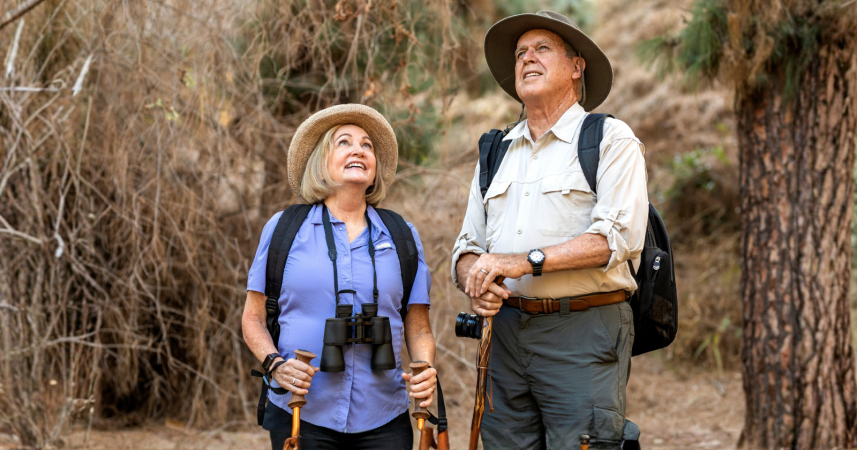
Your downtime choices might be aging you faster than stress ever could, or keeping you younger than your peers.

Add VegOut to your Google News feed. 
I used to think aging gracefully was about skincare routines and avoiding the sun. Then I turned forty and realized it had almost nothing to do with what I put on my face and everything to do with how I spent my time.
When I left my finance career at 37, I watched my former colleagues continue down the same path: long hours at the desk, stress eating takeout, weekend "recovery" that consisted mostly of Netflix binges. Meanwhile, I started filling my days differently.
Three years later, I ran into an old colleague at a coffee shop. She looked at me and said, "What are you doing? You look ten years younger than when you left."
I wasn't doing anything radical. I was just spending my free time differently.
If you're investing your downtime in these activities, you're likely aging with more grace, vitality, and presence than most people around you.
1) Trail running or hiking
I started trail running at 28 as a way to escape my desk job stress. Now at 42, I run 20 to 30 miles a week on trails, and it's the thing that keeps me feeling most alive.
Trail running is nothing like pounding pavement on a treadmill. Your body has to constantly adapt to uneven terrain, which builds strength, balance, and proprioception. These are exactly the things that decline with age and lead to falls and injuries.
But there's more to it. When you're navigating roots and rocks, you can't be lost in your head worrying about tomorrow's meeting. You have to be present. That kind of forced mindfulness does something profound for your nervous system.
The people I meet on trails, many of them in their sixties and seventies, have this quality I can only describe as aliveness. They're not just maintaining their bodies, they're actively engaging with the world.
2) Gardening
There's something about putting your hands in dirt that seems to slow time down. Gardening hits multiple aging markers at once.
You're moving your body in functional ways: squatting, reaching, lifting, bending. You're exposing yourself to beneficial soil microbes that support your immune system. You're creating something living and watching it grow.
Studies show that gardening can improve hand strength, flexibility, and endurance. But what might matter more is how it connects you to natural cycles and seasons. Everything doesn't need to happen immediately. Some things just take time.
Even if you don't have a yard, container gardening on a balcony or volunteering at a community garden counts. It's the act of nurturing plants and connecting with growing things that makes the difference.
3) Cooking elaborate meals from scratch
Cooking is meditative in a way that few other activities are.
You're engaging all your senses while following a process that has immediate, tangible results.
It's also keeping your brain sharp through problem-solving, following complex recipes, and adjusting on the fly when something doesn't work out.
When you're chopping vegetables, noticing textures and smells, creating something nourishing with your own hands, you're not scrolling through your phone or mentally rehearsing tomorrow's to-do list. That kind of presence is increasingly rare and increasingly valuable.
4) Reading physical books
I read for an hour every night before bed. Not on a device, not audiobooks, actual physical books. Usually a mix of psychology, philosophy, and memoirs.
Reading keeps your mind engaged in a different way than consuming quick-hit content on screens. You're following complex arguments, holding multiple ideas in your head at once, making connections between concepts.
This builds cognitive reserve, the brain's ability to improvise and find alternate ways of getting a job done.
Beyond the cognitive benefits, reading gives you access to other people's experiences and wisdom. You're constantly expanding your perspective, challenging your assumptions, seeing the world through different eyes.
Reading also protects your sleep because it gives you a screen-free wind-down ritual. Your brain starts to associate reading with rest, and the transition to sleep becomes easier.
5) Playing a musical instrument
Learning new skills doesn't stop being valuable just because you're not in school anymore. Your brain needs novelty to stay sharp, and few things provide novelty quite like learning an instrument.
The process is humbling. You're bad at first, sometimes for a long time. But that struggle is exactly what keeps your brain building new neural pathways.
Research shows that musical training improves memory, attention, and even physical coordination. Musicians tend to have better hearing as they age because they've trained their brains to process complex auditory information.
But here's what matters most: playing music gives you a creative outlet that has nothing to do with productivity or achievement. You're making something beautiful just for the sake of it.
The people who take up instruments later in life seem more comfortable with imperfection and more willing to be beginners.
6) Volunteering at community organizations
Every Saturday morning, I volunteer at the local farmers' market. Setting up tents, helping customers, connecting with my community. It's a few hours that consistently remind me I'm part of something bigger than my own small life.
Volunteering gives you perspective and purpose simultaneously. You're contributing to something meaningful, connecting with people you wouldn't otherwise meet, and you're reminded that your problems aren't the center of the universe.
When I was in finance, I thought success and salary would give me purpose. Instead, they just gave me stress and a nice apartment. Real purpose came when I started showing up for my community in small but consistent ways.
7) Journaling
I resisted journaling for years. It seemed self-indulgent and unnecessary for someone as analytical as me. Then, during my burnout at 36, my therapist suggested I try it. I've now filled 47 notebooks with reflections, observations, and processing.
Journaling gives you a place to process your experiences rather than just accumulate them. You're making sense of what's happening, noticing patterns, learning from mistakes.
I've mentioned this before, but Rudá Iandê's book "Laughing in the Face of Chaos: A Politically Incorrect Shamanic Guide for Modern Life" really deepened my understanding of why this practice matters.
He writes, "We live immersed in an ocean of stories, from the collective narratives that shape our societies to the personal tales that define our sense of self." His insights inspired me to pay more attention to the narratives I was unconsciously repeating.
I journal for about 15 minutes every evening. Not with any particular structure or goal, just whatever's on my mind. The practice has made me more self-aware and less reactive. I notice my patterns more quickly now, which means I can interrupt them before they cause problems.
8) Taking long walks without headphones
Walking without headphones or podcasts might be the most countercultural thing you can do right now.
We're so addicted to constant input that silence feels uncomfortable. But that discomfort is exactly where the value lives.
When you walk without distractions, you're forced to be with your own thoughts. You notice your surroundings.
You might even get bored, which is when creativity and insight tend to show up. Your brain finally has space to process and connect ideas that have been accumulating.
Walking, especially at a leisurely pace, can boost creativity and problem-solving. But beyond that, it's a practice in presence. You're not trying to get anywhere or accomplish anything. You're just moving through the world and noticing what's there.
The people who regularly take these kinds of walks seem more settled in themselves. They're less frantic, more thoughtful, more comfortable with quiet.
Final thoughts
None of these activities are revolutionary. You won't find them in a luxury wellness retreat or an expensive anti-aging protocol.
But if you look at the people around you who seem to be aging with grace, vitality, and presence, I'd bet they're doing several of these things. They've discovered what I learned after leaving my finance career: these activities simply make life feel good while you're living it.
That's what aging gracefully actually means. It's less about preservation and more about participation. Less about fighting what's happening to your body and more about staying engaged with what's happening in your life.
The wrinkles and gray hair are coming regardless. But the strength in your legs on the trail, the dirt under your fingernails, the satisfaction of a meal you cooked yourself, the words you wrote in your journal? Those are the things that make the years feel rich instead of just long.