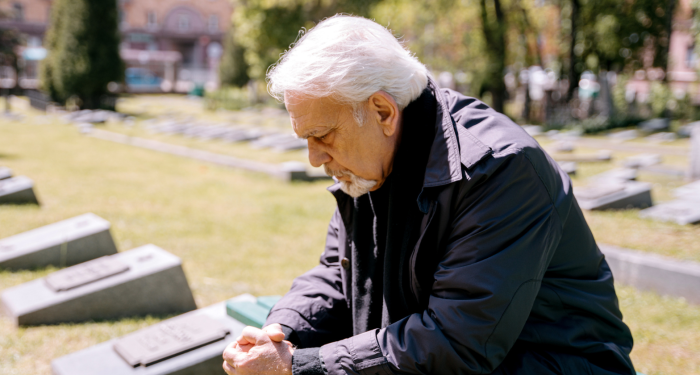
For those who communicate best in silence, the world can feel loud. These are the places we speak fluently.
There's a specific kind of exhaustion that comes from being asked, for the hundredth time, "Why are you so quiet?"
I used to think something was wrong with me. All through my twenties, working those long hours at the investment firm, I'd force myself into happy hours and networking events, performing extroversion like it was part of my job description. Which, in many ways, it was.
But here's what I've learned: being an introvert doesn't mean you have nothing to say. It means you say it differently.
While extroverts process by talking, many of us process internally first, expressing ourselves through action, creation, and careful observation rather than constant conversation.
The pastimes that have meant the most to me over the years are the ones that let me communicate without the pressure of immediate verbal response. They're how I make sense of the world, connect with others on my own terms, and show who I am without having to explain it.
If you're an introvert who's tired of being told to "speak up," these seven activities might feel like coming home.
1) Trail running
I started running at twenty-eight, not because I wanted to get fit, but because I needed to get away. Away from the office, away from small talk, away from the constant expectation to verbally engage.
Trail running became my language. On those early morning runs before the rest of the world woke up, I worked through problems that had been tangling in my mind.
The rhythm of footsteps on dirt, the patterns of breath, the focus required to navigate roots and rocks created a kind of moving meditation.
What makes running perfect for introverts is that it's both solitary and communal. You can run alone and express everything you're feeling through pace and distance. Or you can run with others in comfortable silence, connected by shared effort rather than conversation.
The trail doesn't ask you to explain yourself. It just asks you to show up and move. That's a relief when you spend so much of your life being expected to verbally justify your thoughts and feelings.
2) Gardening
My garden is where I have my most honest conversations. Not with other people, but with the soil, the seasons, the quiet patience required to grow things.
Gardening is pure expression without words. Every plant you choose, every arrangement you create, every decision about what to nurture and what to let go tells a story about who you are and what matters to you.
When I transitioned my backyard to native pollinator plants, I was making a statement about environmental values without having to give a single speech about it.
There's something deeply satisfying about communication that happens through care and attention rather than explanation. The garden responds to what you do, not what you say. It rewards presence over performance.
For introverts, this kind of expression feels natural. We're often better at showing than telling anyway. Gardening lets us create beauty, provide habitat for other creatures, and contribute to our local ecosystem, all without having to talk about it at dinner parties.
3) Cooking elaborate meals
I cook the way some people write poetry. It's how I express love, creativity, frustration, joy, everything I don't always know how to say out loud.
When I'm working through something difficult, I'll spend an entire Sunday afternoon making a complex vegan dish from scratch. Chopping vegetables becomes meditation. F
ollowing a recipe becomes structure when everything else feels chaotic. The final meal becomes an offering, a way of saying "I care about you" without the vulnerability of speaking it directly.
Introverts often communicate through acts of service, and cooking is one of the most intimate forms of that. You're literally nourishing someone, paying attention to their preferences, creating an experience for them.
The meal says everything you might struggle to articulate: I thought about you. I wanted to give you something good. You matter to me.
Plus, when you're hosting dinner, everyone's too busy eating to ask you invasive questions about why you're so quiet. The food does the talking.
4) Photography
A camera gives you permission to observe without participating. To notice details others miss. To show people what you see without having to explain it in real-time.
I started taking my phone on walks specifically to capture moments that struck me. The way morning light hits dewdrops on a spider web. The geometry of tree branches against sky. The expression on someone's face when they think no one's watching.
Photography is perfect for the introvert's natural tendency toward deep observation. While others are busy talking, we're noticing. We see patterns, textures, small moments of beauty or strangeness that reveal something true about the world.
When you share a photograph, you're saying: this mattered to me. This is how I experience things. This is what I want you to see. It's a form of connection that doesn't require you to perform or explain yourself in the moment.
5) Volunteering at farmers' markets
This might seem counterintuitive since it involves people, but hear me out. Volunteering at farmers' markets lets me connect with my community through action rather than extended conversation.
I show up every Saturday morning, help set up stalls, assist vendors, answer basic questions about produce. The interactions are brief and task-focused. There's a script, a purpose, a clear role. I'm not expected to make small talk about my personal life. I'm there to help, and helping is a language I speak fluently.
What I love about this form of expression is that it's about values in action. I care about local food systems, sustainable agriculture, and community connection. Volunteering shows that more clearly than any conversation about my beliefs could.
For introverts, this kind of structured social interaction can be energizing rather than draining. You're contributing, connecting, and expressing your values without the pressure of constant verbal engagement.
6) Journaling
I've filled forty-seven notebooks over the years. They're where I actually say everything I'm thinking, everything I'm feeling, all the things that don't make it into polite conversation.
Journaling is the introvert's native language. It's where we process, reflect, make sense of experiences through writing rather than talking. It's private expression that doesn't require an immediate audience or response.
What started as a way to manage work stress became something much deeper. My journals are where I figured out I needed to leave finance. Where I worked through relationship challenges. Where I noticed patterns in my thinking that I wanted to change.
The act of writing by hand, slowly working through thoughts on paper, feels fundamentally different from typing or talking. It's contemplative. It lets you sit with complexity without rushing to conclusions. It's expression for its own sake, not for an audience.
I've been reading Rudá Iandê's Laughing in the Face of Chaos: A Politically Incorrect Shamanic Guide for Modern Life recently, and one insight that hit me hard was this: "Our emotions are not barriers, but profound gateways to the soul—portals to the vast, uncharted landscapes of our inner being."
As an introvert who spent years living almost entirely in my head, this was revolutionary. His book inspired me to start paying attention not just to what I was writing, but to what I was feeling while I wrote it. The tightness in my chest when I avoided certain truths. The relief when I finally let myself be honest on the page.
Journaling became less about figuring things out and more about letting emotions show me the way.
7) Creating playlists
I communicate through carefully curated music in a way I can't through words alone.
Every playlist I make is a message. There's the one I made for Marcus when we first started dating, songs that said everything I was too nervous to articulate. The one I listen to on long runs when I need to work through frustration. The one I put together after leaving my job, full of songs about transformation and uncertainty.
Choosing songs, arranging them in a specific order, crafting a mood or narrative through music is a form of expression that introverts excel at.
We're good at finding existing art that captures what we feel and sharing it as a way of saying: this is what's happening inside me.
When someone asks how I'm doing and I don't have words for it, I can say, "I made a playlist." The music does the explaining. It's a gift to those of us who struggle with direct emotional articulation but have no trouble recognizing our feelings in someone else's lyrics or melody.
Final thoughts
Being an introvert in an extroverted world can feel like constantly being asked to translate yourself. These pastimes are the ones where translation isn't necessary. Where you can just be, just do, just create, and let that speak for itself.
The older I get, the less apologetic I am about preferring these forms of expression. I'm not quiet because I have nothing to say. I'm quiet because I'm busy saying it in other ways.
If you're an introvert, you already know this. You've probably spent your whole life being told to speak up, be more outgoing, put yourself out there. But maybe the most radical thing you can do is honor the ways you already express yourself. The ways that feel natural, authentic, true.
Not everything worth saying needs to be spoken out loud. Sometimes the most honest communication happens in silence, through attention and action and careful creation. That's not a deficit. That's just a different language.
And those of us who speak it understand each other perfectly without saying a word.