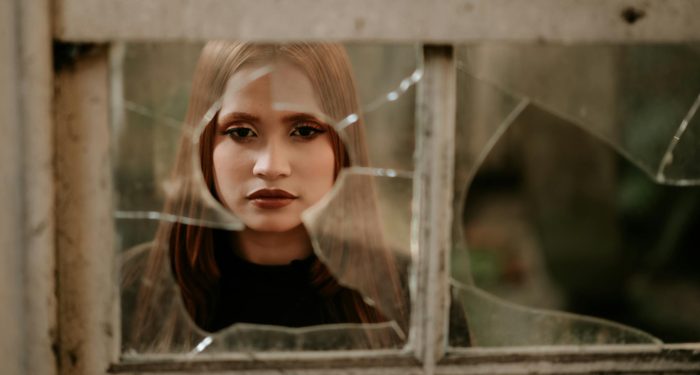
Sometimes the smallest adventures teach you the most surprising truths about who you really are.

Add VegOut to your Google News feed. 
Some people treat hobbies like casual flings—fun while they last, but easy to drop when life gets busy. Others treat them like long-term partners, sticking with one or two for decades.
For a long time, I thought hobbies were just a way to fill time between the “serious” parts of life—work, family, bills. Something you did when you had nothing else on the calendar.
But over the years, I’ve realized they’re so much more than filler. The right hobby can act like a mirror, reflecting parts of you that your daily routines keep hidden.
It can stretch your patience, spark curiosity you didn’t know you had, or show you how you handle being an absolute beginner again.
And you don’t need to marry a hobby for it to matter. You can commit to it for a season, a weekend, or even an afternoon. The point is to see what it teaches you about yourself in that small slice of time.
Here are ten hobbies worth trying at least once—not to “become good” at them, but to meet the parts of yourself you haven’t yet discovered.
1. Journaling without a plan
Forget the bullet journal spreads that look like they belong in an art exhibit. This is about opening a notebook and writing whatever comes out—without worrying about structure or grammar.
Why it’s revealing: You’ll see where your mind actually goes when you stop steering it. Are your thoughts looping around a specific worry? Are you more optimistic than you assumed? Do you write in quick bursts or long rambles?
If you want a tip, try setting a 10-minute timer. Write continuously until it goes off. You might find your “surface” thoughts fade around the 6-minute mark, and that’s when the real stuff shows up.
Over time, you might notice patterns—recurring themes, mental habits, or even unspoken desires.
2. Cooking something wildly outside your comfort zone
Maybe you’ve mastered three pasta recipes, or maybe your “specialty” is toast. Either way, pick a dish from a cuisine you’ve barely explored.
Why it’s revealing: Cooking is part patience, part problem-solving. When you try something unfamiliar—especially with ingredients you don’t usually buy—you see how you respond to uncertainty. Do you improvise confidently or cling to the recipe? Do you get frustrated when it’s not perfect?
One friend of mine once tried making injera, the spongy Ethiopian flatbread, without realizing it needed a multi-day fermentation. She ended up laughing through the process and calling it “a lesson in letting go of control.”
That’s the magic—sometimes the “failures” are the real teachers.
3. Learning a new instrument
You don’t need to master it. You just need to commit to a few lessons or YouTube tutorials.
Why it’s revealing: Musical instruments are humbling. You’re instantly confronted with your learning style—do you like repetition, or do you want quick wins? You’ll also get to see how you handle the “messy middle,” that awkward stage when you’re not a beginner but far from fluent.
And no, it’s not just about talent. Research found that even short-term musical training changes how the brain processes sound and coordinates movement.
Translation: you’re literally rewiring yourself, even if you never play beyond your living room.
4. Hiking alone
Solo hikes don’t have to be long or remote. Just choose a safe trail, tell someone where you’re going, and set off without a podcast in your ears.
Why it’s revealing: Without company, your senses sharpen. You notice your own pace, how you talk to yourself on tough stretches, and whether you naturally push forward or pause to take in the view.
I once thought I’d get bored hiking alone. Instead, I ended up having an hour-long mental conversation with myself about a work decision I’d been avoiding. I came down the trail with an answer—and sore calves.
The solitude doesn’t just show you the landscape; it shows you your own mental terrain, too.
5. Trying improv theatre
Even if you’re shy—especially if you’re shy.
Why it’s revealing: Improv forces you to respond in the moment without overthinking. You quickly learn how comfortable you are with unpredictability and whether you tend to take the lead or support others.
A friend swears her first improv class made her a better communicator at work because she learned the “yes, and” rule—accepting what’s given and building on it, rather than shutting it down.
That same mindset can shift the way you navigate disagreements, brainstorms, and even awkward family dinners.
6. Practicing a visual art
Drawing, painting, pottery—anything that requires you to create something tangible. Even if you swear you “can’t draw a straight line,” it’s worth giving yourself the freedom to explore a blank canvas or a lump of clay.
Why it’s revealing: Art reveals your relationship with mistakes. Do you rip up the page at the first “wrong” line, or do you adapt it into something new? You also get to see whether you lean toward realism (control) or abstraction (freedom).
When I took a pottery class, my first bowl looked like it had survived a mild earthquake. But instead of feeling embarrassed, I laughed. That moment told me I’d grown—I was starting to value the process over the outcome.
7. Meditation or breathwork
This isn’t about becoming a Zen master. It’s about seeing what happens when you sit still and do nothing but notice your thoughts and breath.
You can do it in bed before your day starts, during a lunch break, or while sitting in your car in a grocery store parking lot. The setting doesn’t matter. What matters is the quiet invitation to tune into yourself in a way that modern life rarely encourages.
Why it’s revealing: You’ll get an unfiltered look at how noisy your mind is—and that’s the point. Many people think they’re “bad” at meditation because they can’t stop thinking, but the real skill is noticing without judgment.
Research from Harvard Medical School shows that mindfulness practices can reduce activity in the brain’s “default mode network,” the part linked to rumination and overthinking. It’s like turning down mental background noise you didn’t know was on.
8. Volunteering for something hands-on
Think animal shelter, community garden, or food pantry. The kind of place where your sleeves get dirty, you meet people you wouldn’t otherwise cross paths with, and you leave physically tired but oddly recharged.
It’s a different type of commitment than clicking “donate” online—it’s an immersion into a space where you have to show up, contribute, and work alongside others toward a common goal.
Why it’s revealing: It shifts your focus from “What am I getting out of this?” to “What can I contribute right now?” You might find you love the sense of immediate impact—or that you prefer behind-the-scenes roles.
Either way, you’ll learn what kind of service feels most natural to you. And that’s valuable if you want to align your time with your values instead of just your obligations.
9. Dancing—badly and on purpose
Not the polished Instagram routine kind. The “close your blinds and put on a ridiculous playlist” kind. Or maybe you join a beginner’s dance class just to see how it feels to follow someone else’s lead.
Why it’s revealing: Dancing in a way that no one else will see strips away performance pressure. You find out if you can let loose without worrying about looking foolish—and that freedom can ripple into other areas of life.
One night I tried learning part of a K-pop choreography I’d seen online. I didn’t nail the moves, but I laughed for an hour straight and realized I’d been taking myself way too seriously. That reminder alone was worth the sore legs the next morning.
10. Learning basic carpentry or fixing something yourself
Even a small project—like building a birdhouse or repairing a wobbly chair—counts. There’s something grounding about working with your hands, measuring pieces, and seeing tangible progress as you go.
In a world where so much of our work lives in the digital space, carpentry and repair bring you back to the physical—where a mistake is real, visible, and, with some effort, fixable.
Why it’s revealing: It shows you how you handle trial and error in the physical world, where mistakes have tangible consequences. You might discover you’re more mechanically minded than you thought, or confirm you prefer digital “building” to real hammers and nails.
There’s also a quiet satisfaction in making something functional with your own hands. It’s a reminder that capability comes in many forms—not all of them measured by diplomas or job titles.
Final words
When you think of self-discovery, it’s tempting to imagine big, life-altering events. But often, the most meaningful insights come from small, playful experiments—ten minutes of writing, an hour in a pottery class, a single afternoon on a hiking trail.
The point isn’t to collect hobbies like merit badges. It’s to meet new sides of yourself—ones you can’t access through your usual routines.
Some of these experiments will stick. Others will be one-time adventures. Either way, they give you reference points.
They show you how you respond to uncertainty, how you relate to mistakes, and what kinds of challenges light you up instead of shut you down.
Try one. Then another. And keep the ones that teach you something worth remembering.