Some hobbies get respect right away—like running marathons, learning a new language, or playing the piano. Others? They get raised eyebrows, side comments, and maybe a few polite chuckles.
Hobbies often reflect how we see ourselves.
In your 30s, life tends to be busy and focused on proving yourself—career, relationships, and endless to-do lists.
The things you do for fun are often judged by how “useful” or impressive they look to others.
But by the time you reach your 60s, priorities shift.
What once seemed frivolous starts to reveal its hidden value.
The very activities people teased you for can end up improving your health, finances, and happiness in ways you never expected.
These are the hobbies that age like fine wine.
1. Gardening
In your 30s, gardening can feel like something your grandparents do on quiet afternoons.
Friends might tease you for spending your weekends with potting soil instead of at brunch.
But by your 60s, gardening turns out to be a low-impact, highly rewarding form of exercise and stress relief.
It keeps you moving, strengthens muscles, and gets you outdoors regularly.
Plus, growing your own fruits, vegetables, and herbs cuts grocery costs and gives you a deep sense of satisfaction.
What once seemed like “playing in the dirt” becomes a practical, meditative habit that supports both your health and your budget.
2. Thrifting and upcycling
When you’re younger, scouring thrift stores or fixing up secondhand furniture might seem like a quirky hobby with questionable payoff.
Your friends might prefer sleek, brand-new items delivered straight to their door.
But by your 60s, thrifting reveals its brilliance.
You’ve developed an eye for quality, and your home is filled with unique, meaningful pieces instead of mass-produced decor.
Upcycling also saves money and reduces waste, aligning with values many people grow into as they age.
What once looked like penny-pinching now looks like sustainable living—and a sharp sense of style.
3. Daily walking
In your 30s, going for long walks can seem boring compared to intense workouts like CrossFit or spin classes.
Some people even see it as “not real exercise.”
But by your 60s, daily walking turns out to be one of the smartest health decisions you ever made.
It’s gentle on the joints, boosts cardiovascular health, and keeps your body strong without risk of major injury.
Walking also clears the mind, reduces stress, and provides a chance for reflection.
The consistent habit you built years earlier now pays off by keeping you mobile, independent, and mentally sharp well into older age.
4. Cooking from scratch
In your 30s, cooking from scratch might feel like a time-consuming chore—especially when takeout is just a click away.
Friends might laugh when you spend an afternoon making homemade bread or simmering soup from fresh ingredients.
But by your 60s, this skill becomes invaluable.
Cooking at home saves money, supports better nutrition, and allows you to adapt meals to your body’s changing needs.
It also gives you a creative outlet and a way to connect with others, whether through hosting dinners or passing down family recipes.
What once looked like unnecessary effort now looks like long-term self-sufficiency.
5. Journaling or keeping a diary
In your 30s, journaling can seem overly introspective or even a little dramatic.
People might assume you’re just writing about crushes, frustrations, or fleeting thoughts.
But by your 60s, your journals transform into priceless time capsules.
They hold memories, lessons, and family history that might otherwise be lost.
Journaling also supports mental health by helping you process emotions and track personal growth over decades.
What once felt like scribbling in a notebook now looks like a profound act of self-care and legacy building.
6. Birdwatching or nature observation
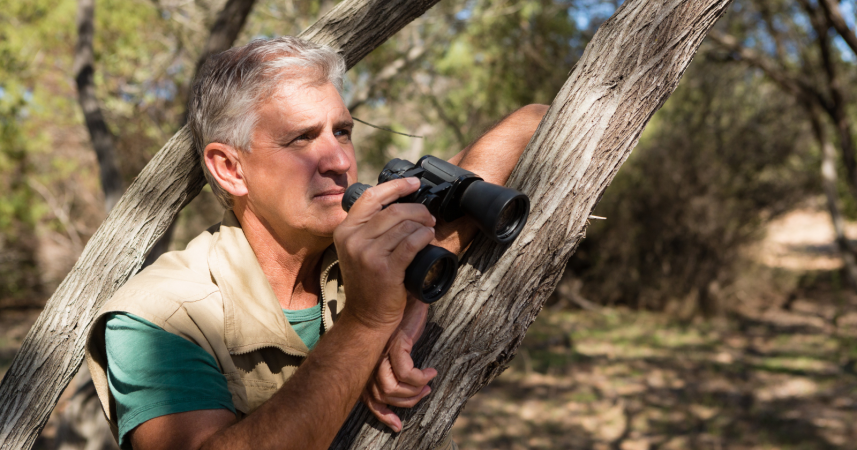
In your 30s, birdwatching might sound like something reserved for retirees with binoculars and too much free time.
It doesn’t have the thrill of travel or the instant gratification of high-tech hobbies.
But by your 60s, spending quiet hours observing nature turns out to be deeply rewarding.
It encourages mindfulness, gets you outdoors, and strengthens your connection to the natural world.
Birdwatching also has a low barrier to entry—just curiosity and a willingness to pay attention.
What once seemed “boring” now becomes a grounding, soul-nourishing practice.
7. Collecting meaningful items
Whether it’s stamps, coins, vintage postcards, or something entirely unique, collecting often gets side-eyed in your 30s.
People might see it as clutter or an eccentric habit with no practical value.
But by your 60s, a well-curated collection can become a source of joy, nostalgia, and even income.
Collectors often develop deep expertise in their chosen area, turning a simple hobby into a meaningful part of their identity.
Some collections even appreciate in value, providing a financial boost later in life.
What once looked like random hoarding now looks like foresight and passion.
8. Learning to play a musical instrument
In your 30s, starting an instrument as a beginner can feel humbling—or downright embarrassing.
You might worry about sounding terrible or never reaching a professional level.
But by your 60s, the benefits of this hobby shine through.
Playing an instrument supports brain health, improving memory and coordination.
It also provides a source of joy and relaxation, especially during retirement years.
Plus, music has a unique power to connect people, whether you’re playing for family, friends, or just yourself.
What once seemed like a slow, awkward learning curve becomes a lifelong source of enrichment.
The bigger picture
Many hobbies are misunderstood because their value isn’t immediate.
When you’re younger, it’s easy to focus on trends and appearances—choosing hobbies that look impressive to others.
But the true test of a pastime is how it serves you over time.
These eight activities may seem silly in your 30s, but they quietly build skills, habits, and memories that become priceless later in life.
They remind us that aging well isn’t about luck.
It’s about the seeds you plant long before you need the harvest.
Closing thought
The hobbies people tease you for today might be the ones they admire tomorrow.
So follow your curiosity, even if it doesn’t make sense to anyone else yet.
Because decades from now, you might look back and realize that what once felt small and silly was actually one of the smartest choices you ever made.