From cooking new recipes to learning a few words in another language, these simple hobbies keep the mind sharp, curious, and resilient after 70.
Reaching your 70s doesn’t mean slowing down mentally.
In fact, this stage of life can be one of the most vibrant and intellectually rich — if you give your mind the right kind of exercise.
Just like the body needs movement to stay strong, the brain needs challenges and stimulation to stay sharp.
Psychologists and researchers agree that certain activities can help improve memory, boost mood, and even lower the risk of cognitive decline.
The best part?
These activities don’t need to be difficult or time-consuming.
Even small, enjoyable hobbies can make a big difference in keeping the mind active and resilient.
Here are seven simple hobbies that help people stay sharp, curious, and engaged well into their 70s and beyond.
1. Learning a new language, even just a few words
You don’t have to become fluent in French or Spanish to benefit from learning a new language.
Even small steps, like memorizing a handful of words each week or practicing basic phrases, give the brain a powerful workout.
According to research, language learning strengthens the brain’s neural pathways, boosting memory and problem-solving skills.
For those over 70, this kind of mental challenge is especially valuable because it encourages flexibility and adaptability.
Plus, it’s fun — especially if you plan to use the language while traveling or chatting with friends and family.
Apps and online classes make it easier than ever to get started, and there’s no pressure to be perfect.
The goal isn’t mastery, but engagement.
Every new word learned is a small victory that keeps the mind alert and active.
And as a bonus, it can open the door to meaningful cultural experiences and connections.
2. Gardening with intention and curiosity
Gardening may seem like a purely physical activity, but it’s also incredibly beneficial for the mind.
Planning what to plant, remembering care routines, and observing changes in growth all require focus and attention.
This combination of mental and physical engagement makes gardening a powerful hobby for cognitive health.
Studies have found that gardening can reduce stress and improve overall well-being in older adults.
Beyond the science, gardening offers a sense of purpose.
Watching seeds sprout and bloom provides tangible, rewarding results.
It also encourages mindfulness, as every moment spent tending to plants draws you into the present.
Whether it’s a few pots on a balcony or a full backyard garden, the act of nurturing life keeps the mind flexible and engaged.
Plus, it comes with the added bonus of fresh flowers, herbs, or homegrown vegetables.
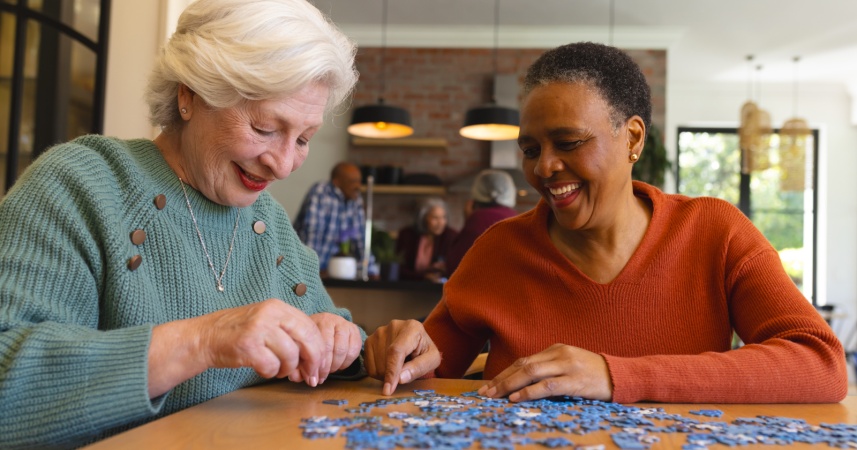
3. Playing strategy games or puzzles
Keeping the brain sharp doesn’t have to feel like work — it can be as fun as sitting down with a good puzzle.
Games like chess, bridge, mahjong, or even challenging jigsaw puzzles stimulate memory and critical thinking.
These activities encourage planning several steps ahead, which strengthens problem-solving skills.
For many people over 70, these games also serve as a social activity.
Playing with friends or family combines mental exercise with laughter and connection, which is equally important for brain health.
Whether it’s a Sunday crossword or a friendly poker night, these activities keep the mind alert in a joyful way.
The key is to mix things up — try different types of puzzles or games to challenge different parts of the brain.
A little daily play goes a long way in keeping memory and focus sharp.
4. Taking up a musical instrument
It’s never too late to start making music.
Whether it’s learning a few chords on the guitar, playing simple songs on the piano, or experimenting with a ukulele, playing an instrument offers incredible cognitive benefits.
Studies in music psychology have shown that learning to play stimulates multiple regions of the brain at once, improving memory and coordination.
This mental workout is similar to language learning — it challenges the mind to process new patterns and respond quickly.
Music also has a therapeutic effect, reducing stress and improving mood.
For older adults, the joy of making music can be deeply fulfilling, especially when shared with others.
Local community centers often offer beginner classes tailored for seniors, making it easy to start in a supportive environment.
Even a few minutes of practice each day can provide lasting mental stimulation.
Plus, there’s a special kind of magic in knowing you can create beautiful sounds at any age.
5. Joining a walking group with a twist
Walking is a classic form of exercise, but it can also be a surprisingly powerful brain booster — especially when done with a purpose.
Joining a walking group that combines movement with learning, like a nature walk with plant identification or a city tour exploring local history, adds a layer of mental engagement.
This dual stimulation — physical and intellectual — helps keep the brain active while improving balance and cardiovascular health.
Social walking groups also provide connection and community, which are essential for emotional well-being.
The conversations, shared discoveries, and laughter along the way keep the experience fresh and meaningful.
Whether it’s a bird-watching club or a weekly stroll through a botanical garden, these walks offer more than just steps.
They’re journeys that nourish both body and mind.
6. Cooking new and challenging recipes
Cooking might seem like a routine task, but when approached with curiosity, it becomes a powerful cognitive exercise.
Trying new recipes forces the brain to follow instructions, measure carefully, and adapt when things don’t go as planned.
This problem-solving process sharpens focus and creativity.
For those over 70, cooking also provides sensory stimulation through smells, textures, and flavors — all of which help keep the mind alert.
Cooking can be done alone for quiet reflection or with others for fun and social interaction.
It’s also an opportunity to explore new cultures through food, expanding both palate and perspective.
Even a simple weekly goal, like mastering a new dish, can bring excitement and mental engagement.
Plus, there’s a delicious reward waiting at the end of the process.
7. Practicing mindfulness and meditation
Not all mental stimulation comes from doing more — sometimes, it comes from doing less.
Mindfulness and meditation have been shown to improve focus, reduce stress, and even enhance memory over time.
For people over 70, these practices offer a way to calm the mind while sharpening awareness.
Psychologists emphasize that mindfulness trains the brain to stay present rather than ruminating on the past or worrying about the future.
Simple techniques like deep breathing, guided meditations, or mindful walking can be incredibly effective.
These practices don’t require any special equipment or physical ability, making them accessible to nearly everyone.
Just a few minutes a day can bring clarity and peace.
Over time, mindfulness becomes a mental habit — one that supports emotional balance and cognitive health.
It’s proof that staying sharp isn’t always about adding more activities, but about finding stillness and focus in the moment.
Closing reflection: little habits, big benefits
Staying mentally sharp after 70 doesn’t have to be complicated or overwhelming.
It’s about choosing activities that challenge the mind, spark curiosity, and bring joy.
Whether it’s learning a new language, tending a garden, or simply savoring a moment of quiet reflection, these hobbies add richness to daily life.
They also help build resilience, giving the brain the tools it needs to adapt and thrive.
The secret is consistency.
Small, regular efforts create long-term benefits that can transform the way aging feels.
Because growing older doesn’t mean fading away — it means embracing life with a mind that’s active, engaged, and fully alive.
What’s Your Plant-Powered Archetype?
Ever wonder what your everyday habits say about your deeper purpose—and how they ripple out to impact the planet?
This 90-second quiz reveals the plant-powered role you’re here to play, and the tiny shift that makes it even more powerful.
12 fun questions. Instant results. Surprisingly accurate.