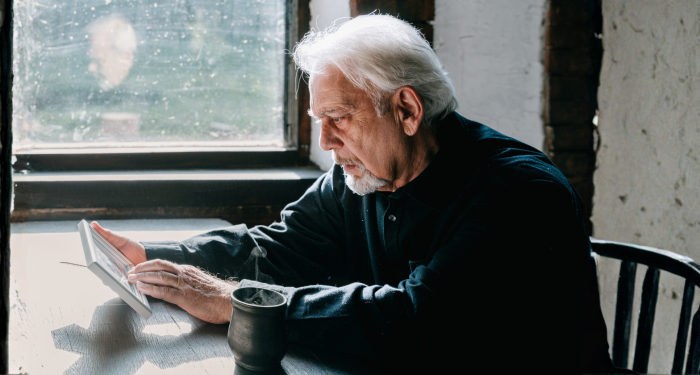
From book clubs to cooking nights, these simple hobbies quietly teach you how to connect, communicate, and thrive socially — without even realizing it.
Some hobbies seem purely for fun or relaxation, but they’re quietly working on something deeper.
While you may think you’re just painting, hiking, or playing a game, you’re also building essential social skills like listening, empathy, and teamwork.
Psychologists say social abilities don’t just grow in classrooms or during networking events — they’re shaped by everyday interactions and shared experiences.
The best part? You don’t have to force it.
These hobbies naturally create situations that help you practice communication and connection without feeling like “work.”
Here are ten hobbies that seem low-key on the surface but secretly make you a better, more socially skilled person.
1. Cooking with others
Cooking might seem like a solitary activity, but when you do it with friends or family, it becomes an incredible social skill-builder.
From dividing up tasks to timing everything perfectly, it requires coordination and clear communication.
Planning a meal together also teaches negotiation as you decide on recipes and accommodate everyone’s tastes or dietary needs.
According to research, shared cooking experiences increase feelings of closeness and cooperation.
You’ll naturally practice patience, problem-solving, and teamwork — all while enjoying the reward of a delicious meal at the end.
Hosting a cooking night with friends or taking a group cooking class adds even more opportunities to connect.
Plus, food has a unique way of breaking down barriers and sparking conversation.
Whether you’re kneading dough or chopping veggies, every step strengthens bonds.
It’s proof that the kitchen can be just as powerful for relationships as it is for recipes.
2. Playing board games or card games
Game night isn’t just entertainment — it’s a subtle lesson in social interaction.
Whether you’re playing a cooperative game like Pandemic or a competitive one like poker, you’re constantly reading people, strategizing, and reacting to group dynamics.
These games encourage skills like persuasion, negotiation, and even graceful losing.
Psychologists often use games to teach emotional regulation and perspective-taking because they mimic real-world social scenarios in a safe space.
The best part is that laughter and fun help lower stress, making it easier to practice these skills naturally.
You’ll also improve your ability to think on your feet and manage conflict calmly.
Over time, these abilities transfer to work meetings, family discussions, and other social settings.
It’s training for life — disguised as play.
And with so many games available, there’s always a new challenge to keep you growing.
3. Volunteering in your community
Volunteering connects you to people from different backgrounds and experiences, which expands empathy and understanding.
Whether you’re serving meals, tutoring kids, or cleaning up a park, you’re actively practicing compassion in action.
These settings often require quick problem-solving and the ability to collaborate with diverse teams.
According to studies on altruism and well-being, regular volunteering increases both happiness and social confidence.
You’ll learn how to listen, adapt, and communicate with people whose lives may be very different from your own.
This skill set is invaluable — it helps you navigate conversations with kindness and tact.
Plus, the sense of shared purpose creates strong bonds with fellow volunteers.
Even a few hours a month can dramatically improve how you relate to others.
It’s a win-win: you grow as a person while making a tangible difference.
4. Joining a dance class
Dance is about far more than moving your body — it’s a language of connection.
Partner dances like salsa, swing, or ballroom require nonverbal communication and trust between partners.
Even group classes help you practice timing, spatial awareness, and collaboration.
Learning steps alongside others creates a natural sense of camaraderie.
Mistakes become opportunities for laughter rather than embarrassment, which builds resilience.
As you improve, you’ll also gain confidence in expressing yourself physically and emotionally.
These lessons extend beyond the dance floor, making it easier to read social cues and connect with people in everyday life.
Plus, dancing is simply fun — which makes it easier to keep showing up and practicing.
5. Gardening with a group or club
Gardening may seem like a solo hobby, but when done in a community setting, it becomes a powerful social experience.
Working together to tend a shared garden teaches cooperation and patience.
You’ll have to communicate about planting schedules, responsibilities, and shared resources.
This kind of teamwork mirrors many real-world group dynamics but in a low-pressure environment.
Conversations often flow easily while digging, planting, or harvesting, creating natural opportunities to bond.
Many community gardens also host events or classes, expanding your social circle further.
According to psychologists, being in nature reduces stress and makes social interactions feel more relaxed and genuine.
You’ll leave not only with fresh produce but with deeper connections.
It’s a reminder that growth isn’t just for plants — it’s for relationships too.
6. Joining a book club
Reading might seem like a solitary activity, but discussing books with others adds a rich social layer.
Book clubs encourage deep conversation and active listening.
You’ll hear diverse perspectives and practice expressing your own thoughts clearly and respectfully.
Discussing those experiences with others multiplies the effect.
It’s also a safe space to practice debate skills, especially when members disagree about a storyline or character.
These conversations teach you how to handle differing opinions with grace.
Over time, you’ll become more articulate and confident in sharing ideas.
Plus, it’s simply fun to geek out over a good book with people who share your passion.
7. Participating in improv or acting classes
Improvisation forces you to think on your feet and respond to others in real time.
It’s like a workout for your social reflexes.
In improv, there are no scripts — just trust and collaboration.
You have to listen carefully, adapt quickly, and support your fellow performers.
Mistakes aren’t failures — they’re fuel for creativity and growth.
This makes improv a safe space to practice vulnerability and humor.
Even if you never step on a stage outside of class, these skills translate into everyday conversations and problem-solving.
It’s a hobby that builds courage, empathy, and quick thinking — all while keeping you laughing.
8. Traveling with small groups
Traveling is inherently social, especially when done with a group of friends or like-minded strangers.
You’ll navigate new places together, which requires planning, cooperation, and flexibility.
Every day brings small challenges that test your ability to communicate and compromise.
Whether it’s deciding where to eat or figuring out public transportation, you’re practicing teamwork constantly.
It also exposes you to different cultures and ways of thinking.
You’ll return home with more confidence in handling unexpected situations and diverse personalities.
Plus, group travel stories make for fantastic conversation starters long after the trip ends.
It’s like a crash course in people skills — wrapped in adventure.
9. Hosting themed game or trivia nights
Hosting friends for game or trivia nights isn’t just fun — it’s leadership practice in disguise.
You’ll learn how to plan events, manage group dynamics, and keep the atmosphere welcoming.
Running games requires clear communication and the ability to read the room.
These skills are directly transferable to both personal and professional settings.
It also builds confidence as you see friends enjoying something you organized.
Even handling hiccups — like a rules dispute or a late arrival — sharpens conflict-resolution skills.
By the end of the night, you’ve strengthened friendships and subtly honed your ability to manage groups.
And best of all, everyone leaves with laughter and stories to tell.
10. Photography as a shared experience
At first glance, photography might seem like a solitary hobby.
But when you take photos in group settings or share them with others, it becomes a social tool.
Taking pictures at events helps you notice details others might miss.
Sharing your work opens up conversations and invites feedback, teaching you to both give and receive critique gracefully.
Collaborative photo walks or workshops add even more opportunities to connect.
Photography also sharpens observation skills, which translate into better reading of social cues.
You become more attuned to body language, expressions, and subtle dynamics.
In this way, the camera becomes a bridge between you and the world.
It’s a quiet hobby with powerful ripple effects on how you connect with others.
Closing reflection: small hobbies, big changes
Social skills aren’t built overnight — they’re shaped through repeated practice in safe, enjoyable settings.
These hobbies might seem lighthearted, but they create countless opportunities to grow more confident and connected.
Whether you’re cooking with friends, joining a dance class, or hosting trivia nights, you’re building the tools to navigate relationships gracefully.
The best part? You’ll never feel like you’re “working” on your social skills.
You’ll just be living, laughing, and learning alongside others.
Because sometimes, the most meaningful growth happens in the most unexpected places.
What’s Your Plant-Powered Archetype?
Ever wonder what your everyday habits say about your deeper purpose—and how they ripple out to impact the planet?
This 90-second quiz reveals the plant-powered role you’re here to play, and the tiny shift that makes it even more powerful.
12 fun questions. Instant results. Surprisingly accurate.