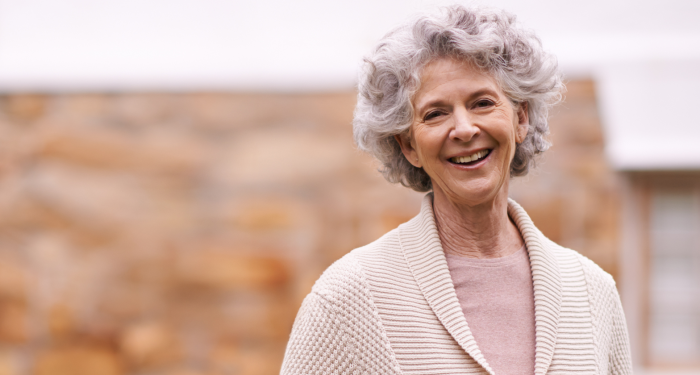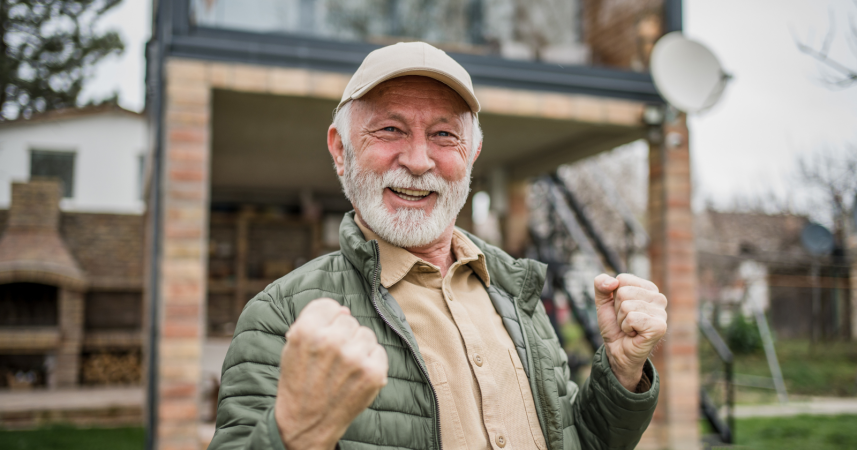
My dad turned 70 this spring and then proceeded to spend the next weekend swing-dancing, meal-prepping like a YouTuber, and trash-talking me over a blitz chess board.
He’s not a biohacker. He doesn’t take brain supplements with names that sound like cryptocurrency. What he does have are five stubbornly fun hobbies that keep his mind fast, his mood bright, and his curiosity loud.
Watching him is like getting a cheat sheet for healthy aging that doesn’t require a lab coat—just rhythm, rules, tools, and friends.
Here’s what he does, how it keeps him razor-sharp, and how you (or your future 70-year-old self) can start.
1. Social dancing (his cardio with a memory test)
Dad treats Saturday nights like office hours for joy.
He rotates between swing, salsa, and a little cha-cha, which means he’s constantly learning and recalling patterns—triple steps, turns, breaks—under mild social pressure. That combination is rocket fuel for the brain: coordination + timing + split-second decisions + reading a partner.
The coolest part is that dancing quietly forces multitasking in a way that doesn’t feel like multitasking.
You’re hearing the rhythm, planning the next move, navigating the floor, and checking your partner’s frame—all while trying not to overthink. It’s reaction, not rumination. He calls it “moving Sudoku.”
And because it’s social, the feedback loop is immediate. If he rushes, his partner hesitates. If he cues clearly, they float. That micro-correction environment keeps attention sticky without feeling like work. He’s not counting reps; he’s counting smiles.
Starter kit if you’ve never danced:
-
Pick one style with a friendly local scene—swing or salsa are beginner-forgiving and everywhere.
-
Commit to six weeks. The first two feel awkward; by week four your body starts caching patterns.
-
Rotate partners. It destroys performance anxiety and teaches you to communicate better than any tutorial.
-
Wear shoes that slide. Your knees will thank you.
Bonus benefit: music memory. He can now identify an Ella Fitzgerald track from the intro, and he’ll tell you whether it wants a Lindy circle or a tuck turn. That kind of auditory recall is a sneaky brain workout all by itself.
2. Strength and mobility practice (play, not punishment)
He lifts like a carpenter: calm, precise, and consistent. Nothing heroic. Two kettlebells, a pull-up bar, floor space, and a stubborn respect for form.
He mixes strength moves (hinges, presses, rows, squats) with mobility flows (hips, thoracic spine, shoulders) so he doesn’t just get strong—he stays springy. His rule: never redline, always return tomorrow.
Here’s the mental part most people miss: learning technique is cognitive training. A good kettlebell swing or Turkish get-up is choreography—breathing, bracing, sequencing.
It demands attention the way sheet music demands attention. You’re teaching your brain to talk to your body with clean grammar.
He also tracks lightly.
Not numbers for ego, numbers for feedback. How many clean reps before form wobbles? How did the shoulder feel after yesterday’s rows? Did mobility make tonight’s dancing easier? That observation habit—notice, adjust, continue—generalizes to everything else he does. It’s how he cooks, how he problem-solves, how he ages without denial.
How to copy his vibe without turning into a gym person:
-
Pick one implement (a kettlebell, a resistance band set, or bodyweight) and master five moves.
-
Use “practice” language. You’re practicing a skill, not punishing a body.
-
End when you could do more. Leave the door open for tomorrow’s brain to want back in.
-
Add a five-minute mobility finisher: hips, thoracic twists, shoulder cars. Small hinges swing big doors.
He’ll never brag about a deadlift PR. He will brag about putting a carry-on in the overhead bin without thinking about it. That kind of everyday competence is cognitive gold—confidence reduces mental noise.
3. Language learning (daily reps, real conversations)
At 68, my dad decided his high-school Spanish shouldn’t die in a dusty yearbook.
Now he does 20 minutes a day, every day: spaced-repetition flashcards, a short podcast, and one real conversation a week—at a café, a meetup, or with his neighbor who patiently laughs at his idioms.
Language is the perfect hobby for a sharp mind because it’s the full stack: memory (vocabulary), pattern recognition (grammar), sound discrimination (listening), and social courage (speaking).
And like dancing, it gives immediate feedback. Use the wrong tense, you’ll see it in the listener’s eyebrows. Nail a funny phrase, you’ll hear the laugh and never forget it.
We were in Madrid last fall when he negotiated for oranges at a market with the confidence of a local uncle. The vendor teased him about his accent; Dad shot back that her oranges were doing the heavy lifting.
Everyone grinned. On the walk home he was genuinely buzzing—dopamine without any screen involved.
His tiny system (steal this):
-
Five new cards a day. Not 50. The wins compound.
-
One micro-immersion habit: label items at home, change your phone calendar to the target language, or read kids’ books out loud.
-
Weekly “speaking appointment”—with a friend, a tutor, or the patient barista.
-
Track streaks in weeks, not days. Miss a Tuesday? Who cares. Win the week.
Language humbles you. That humility keeps you curious. And curiosity keeps your mind breathing.
4. Strategy games (chess, yes—but also Go and bridge)
He doesn’t “play games.” He studies them like maps.
Chess is the house standard (he’ll swindle you in endgames), but lately he splits time with Go for pattern depth and bridge for partnership logic. Three different cognitive diets: calculation, shape intuition, communication under constraints.
Games sharpen pattern libraries. At his age he doesn’t try to brute-force tactics like a teenager; he develops positions that fit his style and memory. It’s a clinic in knowing your strengths and architecting your choices accordingly.
That metacognition—understanding how you think—is the secret spice of staying sharp.
Socially, games are a multiplier. Bridge clubs and chess nights give him new people to banter with, which means new stories and new in-jokes. It’s mental cardio with a side of community. When the stakes are a cup of coffee, losing becomes practice in emotional control, which is… priceless at 70 (and at 30, honestly).
New to this world? Start lightweight:
-
Chess: play daily 10-minute games and review one mistake each. (Just one!)
-
Go: learn 9×9 to feel shapes before you drown in options.
-
Bridge: join a beginner table; it’s half bidding language, half comedy of errors.
-
Keep it analog when you can. Boards and cards force presence in a way screens struggle to match.
Dad’s favorite flex is not a checkmate; it’s the post-mortem. “Show me where I lost the thread.” That sentence alone reveals a young brain.
5. Making things with his hands (wood, food, sound)
If dancing is his extrovert time, the garage and kitchen are his monasteries.
He builds simple, sturdy things: planter boxes, cutting boards, a wobbly stool he refuses to fix because “we need one humble object to keep us honest.”
In the kitchen he cooks like a jazz enthusiast—same standards, endless improvisations: lentil stews, roasted vegetables, big salads with unfairly good dressings.
Some evenings he pulls out the old steel-string guitar and relearns a James Taylor tune, cursing the F chord and loving every second.
Handwork tethers thought to reality. You measure, you cut, you sand. You taste, you adjust, you serve. You practice, you miss the chord, you keep going.
There’s no abstract “win.” There’s a physical thing you can touch or share. That translation from brain to hands is the kind of integration modern life starves. It’s also flow on tap.
Two underrated brain boosters inside handwork:
-
Sequencing. Projects require steps in order. That’s executive function training disguised as fun.
-
Error tolerance. Wood splits. Sauces break. Strings buzz. You learn to edit, not quit. Resilience is a cognitive asset.
If you want in without buying a workshop:
-
Start with a kit—birdhouse, knife-sharpening, or a beginner guitar lesson pack.
-
Cook one recipe five times. Improvement is a thrill. Consistency is the teacher.
-
Join a community shop or class. Borrow tools, steal techniques, make friends.
Mini-story: Last month he made a cedar planter for a neighbor who just had knee surgery. He measured twice, cut once, swore once (gentle swearing is allowed), and delivered it with a bag of soil and a tomato start. Two weeks later she sent a photo of the first blossom. He put it on the fridge like a kindergarten diploma. That glow? That’s brain health you can’t bottle.
The habits underneath the hobbies
What actually keeps his mind razor-sharp isn’t magic hidden in salsa steps or endgame puzzles. It’s the architecture those hobbies share:
-
They’re social on purpose. Conversation, laughter, and light pressure keep him engaged and accountable. Social cognition is brain glue.
-
They have scores but not obsessions. There’s feedback (a dance that clicks, a game you win, a recipe that lands) without identity collapse if it goes poorly.
-
They mix novelty and repetition. Enough newness to challenge, enough familiarity to build mastery. That ratio is jet fuel for neuroplasticity at any age.
-
They happen even when he’s “not feeling it.” Low activation energy. No 60-minute minimums. Ten minutes counts. He’s built drop-in doors.
-
They create stories. “I finally hit the inside turn.” “I blundered a queen and still saved a draw.” “The basil woke up the tomatoes.” Stories keep motivation sticky.
The unexpected outcome
Here’s the surprise: his mind is sharp, yes, but his spirit is younger than I remember it in my teens. He’s more patient, less brittle, easier to laugh with.
He plans around experiences instead of obligations. He’s genuinely curious about people twenty, thirty, forty years younger, because he sees them on the dance floor, at the game table, in the language meetup. He lives in mixed-age rooms where stories and skills circulate both directions.
The cliché is that aging is a slow narrowing. Dad widened. Not by force—by fun.
If you want a north star for a brain that stays quick and a life that keeps feeling worth the effort, try his five-part recipe: move with others, practice a skill, play with strategy, make with your hands, and tell better stories about what you’re learning.
You don’t need a lab test to know it’s working. You’ll feel it in the way your days stop blurring and start clicking. You’ll see it in how often you say, “Let’s try that again.”
Seventy going on thirty isn’t denial. It’s design. And the blueprint is absolutely learnable.
If You Were a Healing Herb, Which Would You Be?
Each herb holds a unique kind of magic — soothing, awakening, grounding, or clarifying.
This 9-question quiz reveals the healing plant that mirrors your energy right now and what it says about your natural rhythm.
✨ Instant results. Deeply insightful.