Keep your brain young: garden a pot, learn a chord, cook something new, dance a short routine, and tell tiny stories - ten minutes a day goes a long way.
I was sorting seeds at my dining table on a rainy Sunday, the kind of steady drizzle that makes the neighborhood hushed and green.
I had little envelopes labeled basil, marigold, and cherry tomato, and I was moving them into a shoebox by color and bloom time.
Halfway through, I realized my brain felt bright.
Not buzzy. Clear. Focused the way it does on a good trail run when the rocks demand attention and my feet answer. I had started the afternoon tired and scattered. Thirty minutes later I felt dialed in. No caffeine upgrade, just a simple hobby that asked for patience, hands, and a little pattern finding.
That is the magic I want to talk about. Hobbies are not filler for spare hours. They are low key labs where your brain practices agility, memory, and flexibility without the pressure of a test. As we age, those qualities do not arrive by accident. We grow them on purpose.
Here are ten hobbies that quietly boost cognitive agility and memory, plus how to get started without turning your free time into homework.
1) Garden in small, repeatable loops
Gardening is a symphony of micro skills. Planning, sequencing, sensory feedback, and working memory all show up when you decide what to plant, prep soil, set a watering routine, and remember which bed got compost last month.
Start tiny. One pot of herbs on the windowsill. Notice how quickly your brain begins to build a map. Basil prefers morning sun. Mint likes more water. Those little details become recall hooks. You can add a twist by labeling pots and making a weekly checklist. The combo of hands, smells, and spaced repetition is a memory multiplier.
If you do not have outdoor space, grow microgreens in trays. They are fast, forgiving, and wildly satisfying to harvest with scissors.
2) Learn an instrument the five minute way
Music is brain cross training. Rhythm, pattern recognition, auditory processing, and motor coordination all fire together. You do not need to become a concert violinist to get the benefit. Pick up a ukulele, harmonica, or keyboard and practice in short, daily bursts.
Try the five minute rule. One chord change. One simple melody. One metronome drill. The trick is consistency. Your brain is better at wiring new pathways with frequent, brief sessions than with occasional marathons. Bonus points if you sing along, even badly. Lyrics plus melody is spaced retrieval wrapped in joy.
If instruments are not your thing, try clapping patterns to a song you love. It sounds silly. It trains timing, attention, and working memory in the space of a single chorus.
3) Cook new cuisines with a constraint
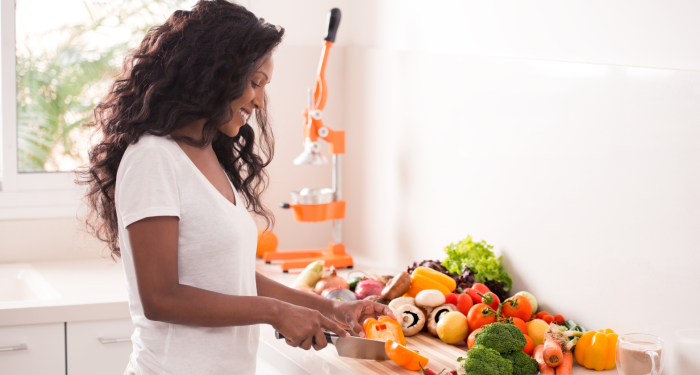
Cooking demands planning, timing, sensory discrimination, and flexible problem solving. When you try a recipe from a cuisine you have not cooked before, your brain lights up. You must hold steps in working memory, compare smell and texture to a new target, and adapt if a step goes sideways.
Add a helpful constraint so it does not feel overwhelming. One new recipe per week. One cuisine per month. Or one base ingredient across three methods. I might do chickpeas as soup, salad, and crispy pan-roasted. Your recall improves when knowledge organizes around themes. Also, the taste reward cements the memory. Nothing motivates like a spoonful of something good.
4) Dance to routines that change every few counts
Dance is moving math. You count, pivot, mirror, and improvise. It integrates vestibular balance, spatial orientation, and sequencing in a single playful package. Cognitive agility thrives on that kind of full system play.
You can do this at home. Choose a style that feels fun. Salsa, hip hop, line dancing, or a YouTube routine from a teacher who keeps combinations short. The brain challenge is not perfection. It is switching quickly when the pattern changes. That fast update trains set shifting, which is the mental gear that helps you adapt in conversations and problem solving too.
If dancing with people makes you cringe, dance in your kitchen while the onions soften. Two songs. Different rhythms. You will feel your brain wake up.
5) Learn a second language through micro stories
Languages are memory machines. Vocabulary plus grammar plus sound requires your brain to juggle. The catch is that traditional study can feel punishing. I prefer micro stories and conversation snippets. They are sticky and rich.
Pick one theme per week. Food words. Directions. Feelings. Each day, write a two sentence story using the new words. Read it out loud. Record yourself and listen while you fold laundry. When you meet a native speaker at the market, try one line. Real world retrieval beats drills. You will forget things. Good. The effort it takes to recall and correct is where learning deepens.
6) Pick up a visual craft that forces you to see
Sketching, photography, quilting, and woodworking all train attention and pattern recognition. Visual arts also encourage something we lose with age if we are not careful: deep looking.
Choose one. If you sketch, do daily one line drawings of common objects. A mug. Your shoe. A plant leaf. The point is not beauty. It is seeing. When you photograph, give yourself a subject constraint like circles, reflections, or doors. Constraints force your attention to scan actively and categorize. That act of scanning and labeling builds flexible memory because you attach meaning to what you see.
Quilting and woodworking add measurement and sequencing. Plan, cut, order, assemble. Your brain has to hold steps, adjust, and troubleshoot. Try a beginner kit. The small wins stack and you will be hooked.
7) Play strategy games you can explain to a kid
Chess, Go, and modern board games are classic cognitive gyms. The key is finding one that delights you. If a game feels like punishment, you will avoid it. If it feels like a puzzle with personality, you will look forward to your next round.
Choose a game you can teach in five minutes but master over months. Connect Four with a twist. Ticket to Ride. Azul. Backgammon. Set a weekly game night with a friend or a grandchild. Talking through your reasoning out loud is a sneaky working memory exercise. Teaching others doubles the benefit because you organize knowledge while you share it.
If you live alone, play online or against yourself. Set a timer so the session stays lively. Cognitive agility loves time boxes.
8) Practice storytelling from tiny prompts
Storytelling might be the most portable brain gym there is. It trains recall, sequencing, language production, emotion tagging, and perspective taking. You can do it at dinner, on walks, or in the car.
Keep a jar of prompts on your table. First concert. A time you got lost. The best soup you ever tasted. Pick one and tell a two minute story. If you are with someone, trade and ask one follow up question that invites a detail. If you are alone, record yourself and listen back later. The act of retrieving layered memories and shaping them for an audience keeps neural networks elastic.
I like to pair prompts with photos. One printed picture per week. Tell the story behind it without looking at your phone. You will feel your brain lean forward.
9) Do brain-body drills that cross the midline
When movements cross the midline of your body, the two hemispheres of your brain have to coordinate in real time. That kind of coordination is associated with better attention and processing speed.
Try simple drills. March in place and tap your right knee with your left hand, then switch. Add a snap. Say the alphabet as you go. Or try “boxer brain” where you jab across your body in a slow pattern, then reverse it. If you want a laugh, try brushing your teeth with your non-dominant hand and balancing on one leg. The clumsy feeling is your brain building new connections.
Keep these short and frequent. Ninety seconds before coffee. Ninety seconds before email. Small sparks, often.
10) Map your world by walking and noticing
Walking is famous for heart health. It is also a cognitive superpower when you add attention tasks. Your hippocampus, which is involved in memory, loves movement and navigation.
Pick a different route once or twice a week. Notice five new details. Street names. Smells. Bird calls. Rooflines. Repeat the names back to yourself at the end. Map where the sun hits at different hours. These little games train spatial memory and attention together. If you want to intensify the challenge, leave the headphones home and try to recall the order of what you saw when you sit down later.
Walking with a friend and exchanging lists multiplies the fun. You will remember their details too, and your brain will build social and spatial connections at once.
A few glue habits that make the benefits stick:
Pair hobbies. Cook a new recipe from a language you are learning, then tell a story about it to a friend. Sketch the finished dish. Your brain loves interconnected webs.
Track lightly. Drop one dry bean in a jar for every day you practice a hobby for 10 minutes. Do not chase streaks. Watch the jar fill.
Use tiny rituals. Music on before you sketch. Tea while you play a game. The ritual cues your brain and reduces friction.
Embrace being a beginner. Agility grows at the edge of your ability. If you feel clumsy, you are in the zone.
Rotate themes monthly. “Rhythm,” “green things,” “circles,” “Italian verbs.” Thematic months make recall easier because your brain can hang memories on clear hooks.
If you are worried you do not have time, start with 10 minutes a day. Pick the hobby that sounds the easiest to begin, not the one that sounds the most impressive to complete. Mastery is optional. Engagement is not.
A quick personal note. When I took up ukulele, I could not switch from C to F without a pause the length of a TV ad break. I kept the instrument on a stand where I would trip over it. Three minutes while the kettle boiled, then three more after dinner. Two weeks later I could switch in tempo.
My memory for chord shapes improved, and oddly, my recall in unrelated tasks perked up too. That is how cross training works in the brain. You improve in one area and the benefit generalizes.
If your parents or grandparents used to fill their evenings with practical hobbies, they were onto something. Shelling peas, playing cribbage, quilting bees, church choirs. Those were not only community builders. They were cognitive gyms disguised as life.
Final thoughts
You do not need brain games if real life can be your playground. Garden a little. Learn a few chords. Cook one new dish a week. Dance to short routines. Tinker with a second language using micro stories.
Sketch something on your table. Play a strategy game you can explain to a kid. Tell stories from tiny prompts. Cross your midline on purpose. Walk new routes and notice names.
Keep it light, regular, and connected to things you already enjoy. The point is not performance. It is participation. Cognitive agility and memory respond to curiosity, movement, pattern, and joy.
Give your brain those ingredients and it will repay you with clearer mornings, sturdier recall, and that bright, settled feeling you get when the seeds are sorted, the soup is simmering, and your day has just enough puzzle to keep you young.