Slow hobbies get overlooked in a world that rewards speed, but they build a different kind of strength. A quieter strength.
I’ve always believed that the pace of your hobbies shapes the pace of your mind.
The world today pushes speed, efficiency, and instant gratification, but the activities that truly build emotional strength tend to move in the opposite direction.
They force you to slow down, pay attention, and work with your hands or your senses instead of your notifications.
Over the last decade, especially after leaving my finance career, I’ve noticed that the things that keep me grounded are the slow things.
The hobbies that don’t reward rush. The ones you can’t brute-force your way through. And funnily enough, those are the ones that have helped me handle stress far better than anything I learned in a high-intensity environment.
Here are eight slow hobbies that quietly sharpen your resilience, even when you don’t realize it’s happening.
1) Gardening teaches you patience and emotional steadiness
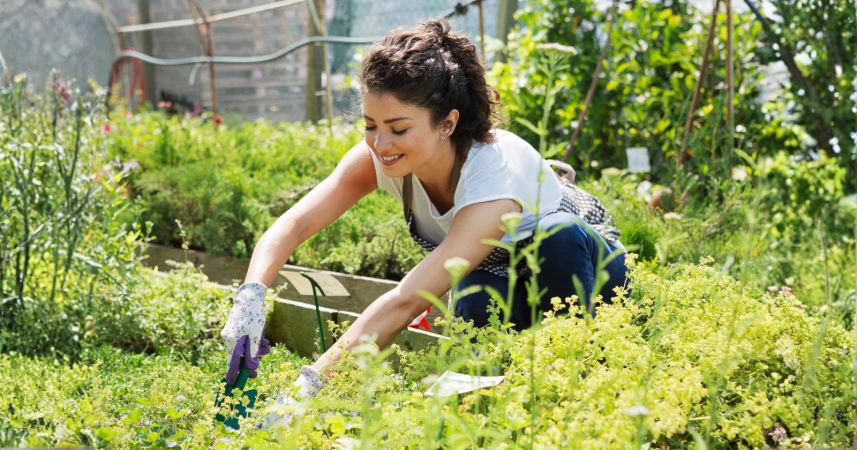
Anyone who has ever grown a vegetable from seed knows that gardening is a long-term relationship. You can’t speed it up. You can’t demand results. You can’t control the weather, the soil, or the timing. You just show up consistently and trust the process.
For me, gardening became a natural stress-diffuser after I left finance.
I remember planting kale one spring and checking it every day as if staring at the soil would make it sprout faster. It didn’t. But the act of returning each morning slowed the pace of my thoughts and forced me to settle into patience rather than urgency.
When you garden, you learn to breathe through uncertainty. You observe instead of forcing. You practice acceptance in a way that shows up later in your daily stresses.
This is one reason so many psychologists recommend it for people who struggle with anxiety. The rhythm itself becomes calming.
2) Cooking from scratch builds focus and sensory grounding
I’ve always loved cooking, but cooking slowly, the kind where you chop vegetables without rushing, let flavors build, taste as you go, is a completely different experience. It becomes meditative.
You give your mind something tangible to anchor to: the smell of garlic, the texture of dough, the warmth of the stovetop. As someone who volunteers at farmers’ markets on weekends, I’ve grown to appreciate seasonal produce in a deeper way.
The process of turning fresh ingredients into comforting meals connects you back to your body instead of your worries.
Slow cooking teaches your nervous system how to settle. It rewards presence, not speed.
And the best part? Those moments of presence carry over long after the meal is done.
3) Reading long-form books strengthens your mental stamina
We live in a world of short bursts of information. Headlines. Swipes. Quick summaries. Reading a full book, slowly, works your mind in the opposite direction.
You train yourself to sit with ideas for longer. You build the ability to hold attention over extended periods. You let your mind settle into depth instead of jumping from distraction to distraction.
There’s something powerful about the quiet you slip into while reading. It's a quiet that pushes back against the pace of modern stress. Each chapter becomes a break from the world, but it also strengthens your capacity to stay grounded when life gets noisy.
Slow reading doesn’t just teach you to absorb information. It teaches you endurance. And emotional endurance is one of the strongest antidotes to stress.
4) Hiking or long walks cultivate emotional processing
As a trail runner and someone who spends a lot of time outdoors, I’ve always had a soft spot for long, slow hikes. They’re not about speed. They’re about rhythm. Step after step. Breath after breath.
Something shifts in your mind when you walk without rushing. Thoughts unravel in a healthier way. Problems feel less sharp. Stress feels more manageable. I’ve processed some of my hardest decisions while walking under trees.
There’s a reason many therapists recommend walking as a tool for emotional regulation. Movement helps, but it’s the pace that matters. You’re giving yourself space to think without being overwhelmed by your thoughts.
A slow hike is a pressure-release valve disguised as exercise.
5) Journaling lets your thoughts untangle instead of explode

This is probably one of the simplest slow hobbies, yet somehow one of the most transformative. Journaling forces you to slow your mind down to the speed of your hand. You can’t vent at the pace you scroll. You have to articulate.
When I first started journaling more consistently, I noticed that my stress responses changed. I wasn’t reacting as quickly. I wasn’t spiraling in the same way. The act of writing had already metabolized so many emotions before the world triggered them.
And there’s something satisfying about giving your thoughts a home outside your head. You end up creating clarity by accident.
The pace of journaling is the real magic. It teaches you to process instead of explode.
6) Practicing an instrument trains discipline and frustration tolerance
Learning an instrument is one of those slow hobbies that humbles you, whether you want it to or not. There’s no shortcut. No hack. No way to learn a song by pushing a button.
You repeat scales. You stumble. You fix your mistakes. You build muscle memory one tiny movement at a time.
It builds discipline, but it also teaches something much more useful: tolerance for frustration.
A lot of stress comes from resisting what we can’t control. Instruments force you to sit with the challenge. To breathe through the struggle. To stay with the discomfort until it becomes easier.
That skill applies everywhere. Work. Relationships. Daily stressors. The ability to stay grounded in difficulty is one of the strongest psychological muscles you can build.
7) Painting or crafting teaches emotional expression without pressure
You don’t need to be an artist to benefit from slow creative work. Painting, pottery, knitting, sketching—these hobbies quiet your mind in a way that feels almost therapeutic.
They give you a place to express emotion without having to explain anything. There’s no audience. No grade. No deadline. Just the act of creating something slowly.
One thing I’ve noticed among friends who craft is how naturally it shifts them into a calmer emotional state. Creative output has a way of pulling stress out of the mind and into movement.
Slow creative work becomes a gentle outlet instead of an obligation.
8) Meditation and breathwork strengthen your stress response at the root level
I saved this for last because it’s the one slow hobby that’s changed my stress response more than anything else. Meditation isn’t glamorous. It’s not fast. And it rarely gives you instant gratification.
But what it does give you is emotional elasticity.
When you breathe slowly, your nervous system learns a new default. When you meditate, your attention becomes more flexible. Your internal reactions soften. You respond instead of snap.
I’ve watched this shift ripple into every area of my life. Even the challenging days feel less overwhelming when you have access to that internal stillness.
Meditation isn’t a cure for stress. But it does strengthen the part of you that knows how to meet stress with steadiness.
Final words
Slow hobbies get overlooked in a world that rewards speed, but they build a different kind of strength. A quieter strength. A resilience that comes from patience, focus, and calm rather than pressure or urgency.
These activities don’t just reduce stress in the moment. They reshape the way you experience stress altogether. And once you feel that shift, you realize something important: you don’t need a bigger life to feel steadier. You just need a slower one for a few minutes each day.
If you pick up even one of these hobbies, your nervous system will thank you.
If You Were a Healing Herb, Which Would You Be?
Each herb holds a unique kind of magic — soothing, awakening, grounding, or clarifying.
This 9-question quiz reveals the healing plant that mirrors your energy right now and what it says about your natural rhythm.
✨ Instant results. Deeply insightful.