The hobbies you choose might be quietly training one of the most important life skills—without you even noticing.
Most people assume emotional intelligence shows up in how well you handle conflict, how empathetic you are, or how effectively you listen.
And that’s true—but it also grows in less obvious places.
Sometimes, the hobbies you choose aren’t just pastimes.
They’re training grounds for developing awareness, empathy, and adaptability—skills that strengthen your emotional intelligence every day.
Here are six surprising activities that help you sharpen those skills.
1. Journaling
Sure, plenty of people see journaling as just scribbling random thoughts. But keeping a journal is one of the best ways to practice self-awareness.
When you sit down with a notebook, you’re not just writing—you’re translating messy feelings into something structured. That takes patience and emotional clarity.
I’ve noticed that whenever I make time for journaling, I end up catching myself in loops of thinking I didn’t realize I was repeating. That pause helps me respond better to life instead of just reacting.
As psychologist James Pennebaker noted in his research on expressive writing, putting emotions into words is linked to significant improvements in physical and mental health.
That’s not a coincidence—it’s emotional intelligence in action.
2. Playing strategy games
What does playing chess, Settlers of Catan, or even poker have to do with emotional intelligence? More than you’d think.
Strategy games force you to anticipate others’ moves. You’re constantly asking: what are they thinking? What are they likely to do next?
That’s perspective-taking, the same skill that emotionally intelligent people use in real life.
Of course, not everyone who enjoys games is a master of empathy. But the people who thrive at them often learn how to balance logic with social awareness.
Poker players call it “reading the table”—and outside of the game, that translates to reading the subtleties of human behavior.
3. Photography
Photography is more than just snapping nice pictures. At its core, it’s about noticing details most people overlook.
I’ve spent hours crouched on sidewalks to catch shadows stretching across a building at dusk, and I can tell you this: when you train your eye that way, you start noticing small shifts in people’s expressions, too.
As Rudá Iandê points out in his book Laughing in the Face of Chaos, “Our emotions are not barriers, but profound gateways to the soul—portals to the vast, uncharted landscapes of our inner being.”
Photography teaches the same principle—paying attention to what’s underneath the obvious surface.
High emotional intelligence works like a lens: it zooms in on subtleties, reframes situations, and reveals new perspectives. That’s exactly what photography demands.
4. Cooking
Cooking isn’t just about following recipes. It’s about creativity, patience, and connection.
Think about it: when you cook for others, you’re often tuning into their tastes, moods, and even their unspoken needs. Preparing food becomes a form of empathy.
According to research using the PERMA model (Positive emotion, Engagement, Relationships, Meaning, Accomplishment), cooking behavior is linked to improvements in well-being—things like purpose, positive emotion, and stronger relationships.
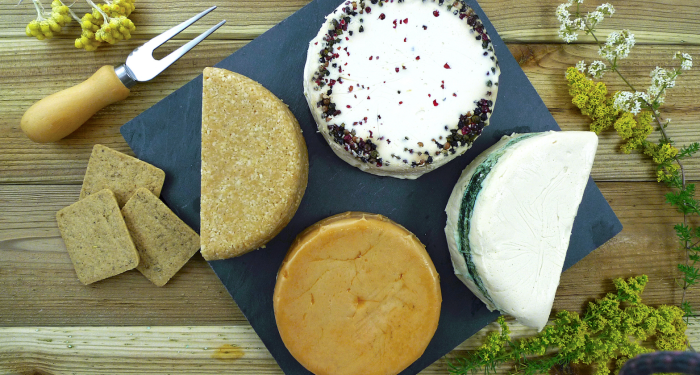
One of the reasons I leaned into vegan cooking was because it felt like a tangible way to align my values with how I nurture others.
That kind of alignment is a core part of emotional intelligence—being aware of your own values while still meeting others where they are.
And let’s not forget, cooking also teaches resilience. Burnt dinner? You learn to pivot. Out of ingredients? You improvise.
Those small adjustments echo the bigger skill of adapting when life throws curveballs.
5. Collecting stories
Some people collect vinyl records or stamps. Others collect stories.
This could look like striking up conversations with strangers while traveling, writing down anecdotes from friends, or even diving deep into biographies.
Why does this matter? Because it shows a hunger to understand human experience beyond your own.
And that’s one of the foundations of emotional intelligence—realizing the world doesn’t revolve around you, and that wisdom comes from listening as much as speaking.
I once met a cab driver in Mexico City who told me about how he’d switched careers five times before finding something that brought him peace. That short ride taught me more about resilience than any self-help book.
Collecting stories keeps you humble and reminds you there are a thousand ways to live a meaningful life.
6. Practicing improv
This one might surprise you, but improv theater is a crash course in emotional intelligence.
At its core, improv relies on the rule of “Yes, and…”—accepting what someone offers and building on it. That requires you to stay present, listen actively, and trust the process without overthinking.
The skills transfer directly to daily life: adaptability, reading cues, collaborating without ego.
As Brené Brown has said, “Vulnerability is the birthplace of innovation, creativity, and change.”
Improv makes you vulnerable—and teaches you to thrive in that vulnerability.
The bottom line
Emotional intelligence isn’t built in a classroom—it’s crafted in the choices you make when no one’s watching.
The hobbies that seem lighthearted or even quirky often turn out to be the most powerful training grounds for empathy, resilience, and awareness.
What you practice in play shapes how you show up in life.
Whether it’s the patience you find in a kitchen, the perspective you gain behind a camera, or the courage you discover on a stage, these moments ripple outward into your relationships, your work, and your sense of self.
So the next time you’re pulled toward a hobby that others dismiss as “just for fun,” trust that instinct.
You might actually be strengthening the kind of intelligence that matters most—the ability to understand yourself and connect deeply with others.
What’s Your Plant-Powered Archetype?
Ever wonder what your everyday habits say about your deeper purpose—and how they ripple out to impact the planet?
This 90-second quiz reveals the plant-powered role you’re here to play, and the tiny shift that makes it even more powerful.
12 fun questions. Instant results. Surprisingly accurate.