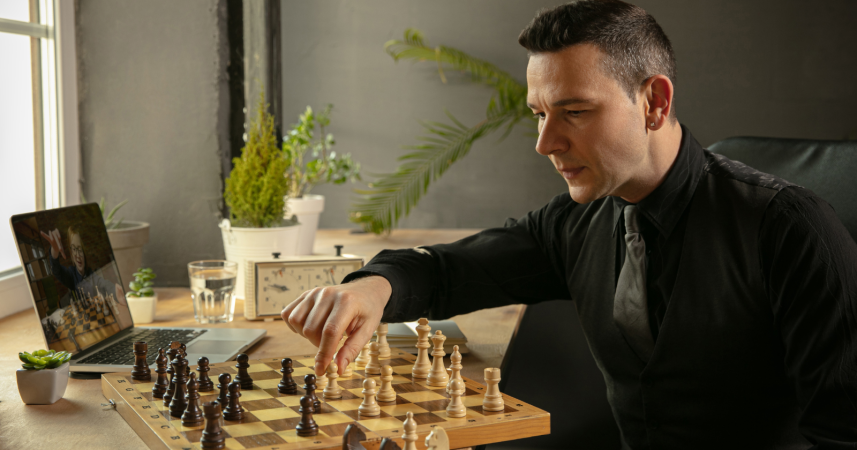
Some hobbies don’t just pass the time—they quietly train your brain to stay sharp in ways you might not expect.
Have you ever noticed that some people seem mentally quicker than others? It’s not always about IQ or formal education. Often, it comes down to how they spend their free time.
Certain hobbies don’t just pass the hours—they challenge the brain, keep neural pathways active, and sharpen the kind of thinking that spills over into everyday life.
I’ve seen this in my own circle. Friends who invest time in certain pastimes tend to connect ideas faster, remember details more clearly, and adapt better to new challenges.
It got me curious: what are the activities that quietly cultivate mental sharpness?
Let’s dig into seven of them.
1. Reading widely
I know, this might sound obvious. But the key word here is widely.
When you read across genres—fiction, history, science, memoir—you expose your mind to new worlds, unfamiliar perspectives, and vocabulary you wouldn’t encounter otherwise.
Neuroscientists have found that reading “lights up multiple regions of the brain at once, from language processing to imagination,” activating areas in the temporal lobes, Broca’s area, and even the cerebellum, depending on whether you read aloud or silently.
Personally, I notice the difference when I get stuck in a rut of only reading one type of book. My thinking starts to feel a little narrow.
But after diving into, say, a novel set in another culture or a biography of someone with a completely different life path, my mind feels refreshed. It’s like stretching muscles I forgot I had.
And it’s not just about consuming information—it’s about training yourself to connect dots between seemingly unrelated subjects. That’s a hallmark of a sharp mind.
2. Playing strategy games
Ever sat down to a game of chess, only to realize your brain feels like it’s doing gymnastics? Strategy games are more than just fun—they require foresight, patience, and the ability to anticipate multiple possibilities at once.
I once spent a rainy weekend teaching myself Go, the ancient board game. Let me tell you, it humbled me. Every move felt like juggling a dozen outcomes in my head, and I walked away feeling like my mental circuits had been rewired.
That’s the power of strategy games—they stretch your problem-solving muscles in ways daily life rarely does.
And here’s the best part: those skills translate. Whether it’s planning a work project, making a financial decision, or even navigating social dynamics, the ability to think several steps ahead is invaluable.
3. Learning a new language
Have you ever tried to wrap your tongue around a phrase in another language and felt your brain light up in ways you didn’t expect? Learning a language is one of the most demanding tasks we can give our minds.
It’s not just about memorizing vocabulary. It’s about retraining your brain to recognize new sounds, absorb unfamiliar grammar structures, and switch between mental frameworks.
I remember when I first started dabbling in Spanish—I felt clumsy and slow at first, but after a while I noticed I was sharper in other areas too. My memory improved, and I found it easier to pick up patterns at work.
Language learning is a workout for attention, memory, and flexibility. It reminds us that intelligence isn’t fixed—it’s adaptable. And every time you fumble through a new phrase, you’re building neural connections that keep your mind agile.
4. Practicing music
You don’t have to be a concert pianist to reap the mental benefits of music. Picking up a guitar, sitting at the piano, or even learning the basics of drumming can strengthen the brain in surprising ways.
Research shows that playing an instrument engages nearly every part of the brain at once—especially the areas responsible for memory, coordination, and executive function. In fact, studies out of Harvard Medical School note that musical training can even enhance verbal memory and literacy skills.
I saw this firsthand when I joined a community drumming group. At first, it felt chaotic—my hands stumbling over rhythms, my mind racing to keep up. But after a few sessions, I noticed a calm focus settling in.
Practicing music doesn’t just sharpen the mind—it teaches patience, discipline, and a new way of listening.
And isn’t that what mental sharpness is really about? The ability to tune in, adapt, and connect patterns in real time.
5. Writing or journaling
Some people think writing is just about getting words on paper. But really, it’s a form of structured thinking.
When you journal or draft a story, you’re translating a jumble of feelings and ideas into something clear and coherent. That process forces your brain to organize, prioritize, and reflect.
I’ve noticed this myself on days when I feel scattered. The moment I sit down and write—even just a few sentences about what’s on my mind—things start to click into place. Writing makes you your own problem-solver.
And it doesn’t have to be “creative” writing, either. Even jotting down what you’re grateful for, or making sense of a tough day, can sharpen your self-awareness and perspective.
6. Gardening
I know what you might be thinking—gardening doesn’t seem like a “brainy” hobby. But that’s exactly why it’s underrated.
Gardening is problem-solving in disguise. You’re constantly observing, experimenting, and adjusting—why aren’t these tomatoes thriving, what happens if I water a little less, what if I move this plant into more sunlight?
It’s hands-on science, patience training, and stress relief all rolled into one.
When I spend a morning in the garden, I walk away with more than fresh herbs. My mind feels steadier, sharper, and more open to creative ideas.
There’s something about being outdoors, solving small puzzles with your hands, that refreshes your ability to tackle bigger challenges later.
7. Mindfulness and meditation
At first glance, sitting still with your eyes closed doesn’t seem like a pastime that would sharpen your mind. But appearances can be deceiving.
Studies show that regular mindfulness practice can improve attention, working memory, and even emotional regulation.
In fact, research from the American Psychological Association highlights how meditation literally changes the brain’s structure, strengthening areas tied to focus and self-control.
When I first tried meditation, I thought the goal was to stop thinking. Instead, I realized it’s about noticing thoughts, letting them pass, and training the mind to be more intentional.
Over time, that skill carries into everyday life—you become less reactive, more focused, and sharper in how you respond.
This point also reminds me of something I picked up from Rudá Iandê’s new book, Laughing in the Face of Chaos. He writes, “When we stop resisting ourselves, we become whole. And in that wholeness, we discover a reservoir of strength, creativity, and resilience we never knew we had.”
His insights helped me see that mindfulness isn’t just about peace—it’s about unlocking the kind of clarity and mental agility that make life richer.
Final thoughts
When you look at these pastimes side by side, it’s clear they all have one thing in common: they keep the mind engaged in different, meaningful ways. Some stretch memory, others build focus, and a few combine both creativity and discipline.
The beautiful part is that none of them require you to be an expert. You don’t need to be a fluent polyglot, a chess master, or a yogi on a mountaintop.
You just need the curiosity to try, the patience to stick with it, and the openness to notice what changes inside you along the way.
And here’s the real takeaway: sharpness isn’t about being the smartest person in the room—it’s about being adaptable, awake, and alive to possibility. These hobbies are simply pathways to get there.
So, which one speaks to you most right now? Maybe it’s dusting off that instrument you haven’t touched in years, or giving yourself permission to write in a messy journal, or finally trying out that language app you downloaded months ago.
Whatever it is, know that every small step is shaping your mind in ways you’ll thank yourself for later.
If You Were a Healing Herb, Which Would You Be?
Each herb holds a unique kind of magic — soothing, awakening, grounding, or clarifying.
This 9-question quiz reveals the healing plant that mirrors your energy right now and what it says about your natural rhythm.
✨ Instant results. Deeply insightful.

Avery White
Formerly a financial analyst, Avery translates complex research into clear, informative narratives. Her evidence-based approach provides readers with reliable insights, presented with clarity and warmth. Outside of work, Avery enjoys trail running, gardening, and volunteering at local farmers’ markets.
More Articles by Avery