When retirement feels less fulfilling than you imagined, the right passions can turn empty hours into a life rich with purpose.
I’ve heard so many people say, “I thought retirement would feel like freedom—but instead it feels…empty.” And honestly? I get it.
When the career structure disappears, so does the routine, the goals, and often the sense of identity we built for decades.
As HelpGuide notes, “The loss of identity, routine, and goals can impact your sense of self-worth, leave you feeling rudderless, or even lead to depression”.
But here’s the good news: emptiness doesn’t have to be the final chapter of retirement. You can fill it with new purpose, connection, and joy.
Sometimes, it just takes leaning into the right kinds of hobbies—the ones that don’t just pass the time but actually give it meaning.
Let’s explore seven of them.
1. Volunteering your time
Harry Emerson Fosdick once said, “Don’t simply retire from something; have something to retire to”. I can’t think of a clearer way to describe the role of volunteering in later life.
Whether it’s helping out at a community garden, mentoring young professionals, or reading to kids at the library, volunteering keeps you connected to a bigger purpose.
It’s not about keeping busy—it’s about knowing that what you do matters.
I’ve noticed this at the farmers’ market where I sometimes volunteer. People light up when they share their knowledge or lend a hand. You leave at the end of the day not drained, but fuller.
That sense of being useful again—of contributing—can be a powerful antidote to the emptiness many feel after leaving work.
2. Joining a social group
One of the sneaky dangers of retirement is isolation. Without colleagues, meetings, or even water-cooler chatter, your social circle can shrink fast.
And loneliness has a way of eating away at both mood and health.
This is why joining a club, a book group, or even a weekly walking meetup can be so transformative.
The Mayo Clinic points out that “Staying socially active and maintaining interpersonal connections can improve seniors’ cognitive function and emotional health”.
That’s not just about making friends—it’s about protecting your brain and your wellbeing.
I’ve seen people join hiking groups or choir circles and come alive again. The laughter, the shared stories, the inside jokes—suddenly life has texture again.
And the best part? You don’t have to wait for invitations. You can create the group you wish existed.
3. Learning something new
Retirement doesn’t have to mean slowing down your brain. In fact, it’s the perfect time to stretch it.
Pick up a new language, learn to play an instrument, or take an online photography class.
I remember when a friend of mine, freshly retired, signed up for a local ceramics workshop. At first, she was nervous—“I’ve never been artistic,” she told me. But within weeks she was showing me bowls and mugs she’d made.
It wasn’t about the pottery—it was about the pride and excitement in discovering she could still learn, create, and surprise herself.
And here’s the bonus: new learning builds resilience against cognitive decline. Every class, every page, every practice session is a quiet investment in your brain’s longevity.
4. Gardening and connecting with nature
If you’ve ever dug your hands into the soil or watched a tomato plant slowly bear fruit, you know gardening isn’t just about plants. It’s about grounding yourself.
I spend a lot of time in the garden, and I’ve noticed how the act of tending something living has a way of steadying your own heartbeat.
It gives you structure—a reason to get outside every morning—and a harvest you can share with friends and family.
And if gardening isn’t your thing, any time in nature counts. Whether it’s walking through a local park, joining a bird-watching group, or hiking, you’ll feel the shift.
Nature pulls us back into rhythm, reminding us there’s growth and beauty at every stage of life.
5. Creative expression
Retirement frees up time to explore creativity you might have put aside years ago. Maybe that’s painting, woodworking, quilting, or even writing your life stories down for future generations.
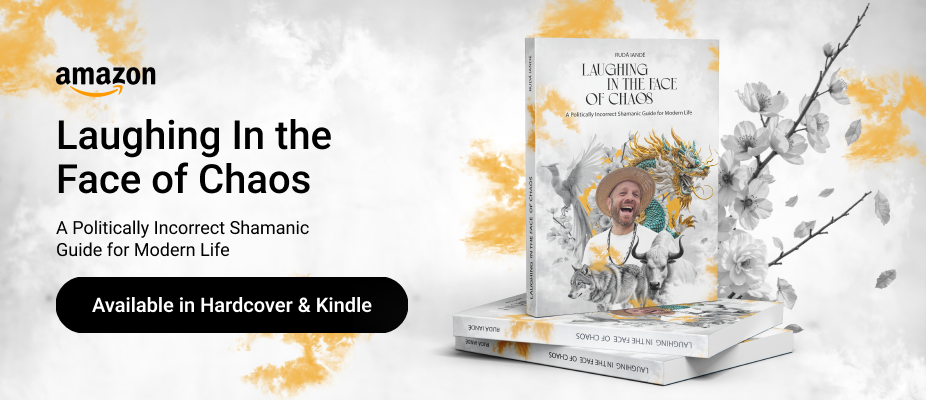
The point isn’t perfection—it’s expression. I’ve been inspired by Rudá Iandê’s book Laughing in the Face of Chaos. One of his insights really stayed with me:
“When we let go of the need to be perfect, we free ourselves to live fully—embracing the mess, complexity, and richness of a life that's delightfully real.”
That reminder made me pick up sketching again without worrying if the drawings were “good enough.”
Creativity isn’t measured in awards or gallery showings. It’s measured in the joy of losing track of time, in feeling absorbed, and in reconnecting with parts of yourself you didn’t know were waiting to be heard.
6. Physical activities that energize you
Exercise doesn’t have to mean the gym. Dancing, tai chi, golf, swimming—any movement that keeps you active will serve you well. And it’s not just about the body.
As Dr. Patricia Boyle has noted, “Having a sense of purpose in retirement – whether through volunteering, hobbies, or part-time work – is linked to better health and longevity”.
Purpose often flows from physical engagement—when you join a walking club, play tennis with friends, or take up yoga, you’re moving with meaning.
Personally, I’ve found trail running to be my anchor. It’s where I process thoughts, breathe deeply, and remember my body still carries me forward.
Movement reminds us that life itself is still moving.
7. Sharing knowledge and mentoring
You’ve spent decades building experience—why not share it?
Mentoring can take many forms: tutoring students, coaching new graduates, or even leading a workshop at your local library.
Not only does this keep you connected to the younger generation, but it reinforces your own sense of purpose. You see your life lessons making an impact in real time.
One man I know started giving talks about his career in finance at community colleges. He told me afterward, “I didn’t realize how much I missed this until I saw their eyes light up.”
Retirement doesn’t erase your expertise—it gives you freedom to pass it on.
Final thoughts
Retirement doesn’t need to feel like an ending.
It’s an opening—a wide space you get to fill with what truly matters to you.
Whether that’s growing vegetables, dancing, or mentoring, these hobbies can turn empty hours into deeply satisfying ones.
And here’s the thing: you don’t need to do them all. Just one or two, done with heart, can shift how you feel about this stage of life.
It comes down to creating your own sense of purpose—something only you can define.
That’s reason enough to step into something new and make this season not just restful, but meaningful.
So ask yourself: what’s calling to you right now? What hobby could help you feel not just occupied, but alive again?