Real growth isn’t loud. These eight hobbies quietly sharpen your mind, deepen your confidence, and show you’re evolving in ways that don’t need applause.
There’s something fascinating about people who grow quietly. They don’t talk about their “glow-up” or share a daily reel about it.
They just live differently: calmer, sharper, more grounded.
The real difference comes down to how they use their free time. Certain hobbies don’t just fill hours.
They refine you, build your mind, expand your patience, and improve the way you handle life’s chaos.
Here are eight hobbies that say a lot about where you’re headed, even if no one’s watching.
1. Reading
Let’s start with the classic. Reading might not look flashy, but it completely reshapes the way you think.
A good book expands your vocabulary, challenges your assumptions, and gives you mental flexibility that social media can’t.
It’s not just a feel-good claim either. Research has found that reading books regularly is linked to longer life. Readers lived almost two years longer on average than non-readers.
Think about that. Turning a few pages daily could literally add time to your life.
I used to see reading as something I’d “get around to.” Now it’s part of my morning ritual, just 20 minutes with coffee before emails start flooding in.
It slows me down in the best way, like mental strength training for focus and empathy.
If you’re serious about growing, you can’t skip this one.
2. Cooking
Cooking is underrated self-development. It forces you to be present, pay attention to detail, and balance creativity with discipline.
You learn patience when things burn, humility when recipes flop, and gratitude when they finally come out right.
When I worked in hospitality, I noticed something: great chefs don’t chase perfection. They chase precision and flow.
They know how to adapt when something’s off, the sauce breaks, the steak’s over, the service is slammed, and they recover without ego.
Cooking at home has taught me the same. It’s a form of mindfulness in motion. You measure, stir, taste, adjust. You learn when to improvise and when to follow structure.
And the best part? You get to enjoy the results of your effort.
3. Lifting or movement training
You don’t need to be a gym rat to get this one right. Lifting weights, running, or practicing yoga are all ways of saying: “I’m investing in my future self.”
Consistency in movement rewires more than your body. It sharpens your focus, improves your sleep, and releases all that tension you carry without realizing it.
I’ve found that what happens in the gym mirrors life outside it: you push through resistance, fail, recover, and come back stronger.
As Mihaly Csikszentmihalyi explained in his research on flow, deep engagement in challenging, skill-based activities leads to “optimal experience”.
Lifting is exactly that. You enter a state where thought disappears and all that matters is the next rep.
Discipline doesn’t need an announcement. It’s something that shows in how you carry yourself.
4. Journaling
Journaling is like cleaning out the mental fridge. You take everything out, old thoughts, emotional leftovers, random worries, and see what’s actually worth keeping.
I started journaling during a stressful period in my twenties when I was switching careers. It became less about venting and more about clarity.
When you write your thoughts down, you start to notice patterns: what drains you, what inspires you, what you keep avoiding.
There’s a quote I love from Laughing in the Face of Chaos by Rudá Iandê: “We live immersed in an ocean of stories, from the collective narratives that shape our societies to the personal tales that define our sense of self.”
That line hit me hard. His insights made me realize that journaling helps you re-author those stories, to decide which ones still serve you and which ones need rewriting.
The real goal of journaling is honest reflection that helps you see yourself more clearly.
5. Learning a new skill
Most people stop learning the moment they leave school. But real growth happens when you keep feeding your curiosity.
Whether it’s photography, a foreign language, or digital design, learning new skills stretches your brain.
It humbles you because you start as a beginner again. It also rewires how you deal with failure because you’re forced to keep trying until something clicks.
I once spent six months learning latte art after leaving the restaurant world. My first attempts looked like abstract disasters.
But after dozens of tries, I noticed something. My patience in every area of life improved. I became less reactive, more methodical.
A hobby like that reminds you that progress is more important than perfection.
6. Volunteering or mentoring
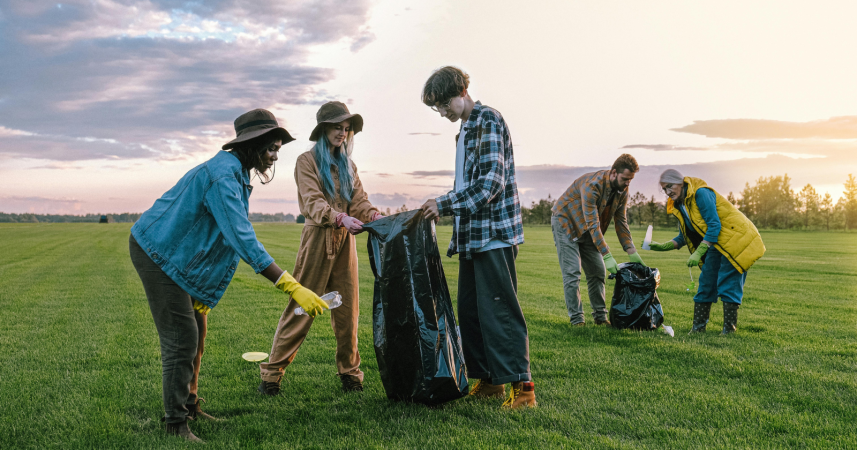
Few things shape your character like giving without expecting anything back. Whether it’s mentoring someone at work or volunteering on weekends, helping others forces you to see beyond your own struggles.
When I started mentoring a young hospitality student, I realized how much advice I’d never taken myself.
Teaching made me rethink my habits. It made me sharper and a little kinder.
Service is a mirror. It shows you what you truly value and how consistent you are about living it. That kind of humility has a quiet power of its own.
7. Traveling with intention
Traveling is easy. Traveling intentionally is rare.
Most people collect countries like trophies, but if you approach travel as a classroom instead of a flex, it changes you.
Wandering through a night market in Bangkok or a vineyard in Tuscany offers more than flavor or scenery; it shifts your perspective.
You realize how vast the world is and how small your daily worries are. You learn to appreciate different rhythms of life, new flavors, and the stories behind them.
I started asking locals questions about how they eat, rest, and spend time with family. Those little insights often taught me more about balance than any productivity book.
When you travel to learn instead of impress, you return home with more than souvenirs.
8. Meditation or stillness
Finally, let’s talk about stillness. In a world addicted to noise, doing nothing is almost rebellious.
Meditation, breathwork, or even quiet walks without your phone teach you how to detach from constant stimulation.
At first, it feels awkward, like you’re wasting time. But over time, you start noticing how your thoughts move, how emotions rise and fall, how peace isn’t something you chase but something that’s already there once the clutter clears.
Meditation doesn’t need to be perfect. Just start small and let presence do the rest.
The bottom line
Leveling up doesn’t require an audience. You don’t need to broadcast your growth or post a quote about it every week.
The real work happens in private, in what you do when nobody’s paying attention.
Hobbies like reading, cooking, training, journaling, or meditating might not look glamorous.
But they’re the quiet architects of character. They make you more capable, grounded, and self-aware.
So if you’ve been searching for a sign to start something new, or return to something you’ve neglected, this is it.
Choose one of these and commit for a month.
You might not notice it right away, but something inside you will start to shift.
And when it does, you won’t need to tell anyone. They’ll feel it.
If You Were a Healing Herb, Which Would You Be?
Each herb holds a unique kind of magic — soothing, awakening, grounding, or clarifying.
This 9-question quiz reveals the healing plant that mirrors your energy right now and what it says about your natural rhythm.
✨ Instant results. Deeply insightful.