Wealth isn’t just about money—it’s about mindset. These seven subtle rituals reveal how the wealthy build calm, focused, and purpose-driven success.
Ever notice how some people seem to attract success almost effortlessly? It’s not luck. It’s rhythm.
Wealthy people—especially those who built it themselves—live by quiet rituals that compound over time.
These aren’t loud “grind culture” habits or productivity fads. They’re the understated, consistent behaviors that shape how they think, plan, and respond to life.
As someone who spent years analyzing financial patterns before becoming a writer, I can tell you that wealth isn’t just about how money moves—it’s about how you do.
Here are seven rituals I’ve noticed that the wealthy treat as completely non-negotiable.
1. They start early—and protect their mornings
I used to think early risers were just masochists with better alarm clocks. But after reading about Thomas C. Corley’s five-year study of 177 self-made millionaires, I changed my mind.
He found that nearly 50 percent of them woke up at least three hours before their workday actually began.
That time isn’t for inboxes—it’s sacred space. A buffer before the world’s noise starts demanding attention.
When I started waking up earlier—even just an hour before my “rush zone”—I noticed something shift. My mornings went from reactive to intentional.
A walk, a slow coffee, a few pages from a book—all of it helped me enter the day grounded instead of scattered.
Wealthy people understand that productivity isn’t about doing more. It’s about starting from peace—because a calm mind makes sharper decisions.
2. They schedule their values
One thing that surprised me when working with high-net-worth clients was how scheduled their lives were—not just their workdays, but their thinking time, workouts, and even family dinners.
It’s not about being rigid—it’s about alignment. As management thinker Peter Drucker once said, “Time is the scarcest resource, and unless it is managed, nothing else can be managed.”
The wealthy don’t just schedule what they have to do; they schedule what they want to stand for.
A daily walk, a dinner with friends, a block for reflection—it all goes on the calendar. Because if it isn’t scheduled, it usually isn’t lived.
I started doing this after realizing I was treating my free time like leftovers. Now I plan it first—and somehow, everything else flows more easily around it.
3. They treat their body as an asset
You can’t pour from an empty tank—and the wealthy know this better than anyone.
Most see physical wellness not as luxury, but as leverage. They eat well, move daily, and treat rest as a strategic investment. Because what’s the point of building wealth if you’re too exhausted to enjoy it?
I learned this lesson the hard way in my thirties. After years of late-night work and skipped meals, my energy was shot.
Trail running and paying attention to my body brought my focus—and creativity—back online.
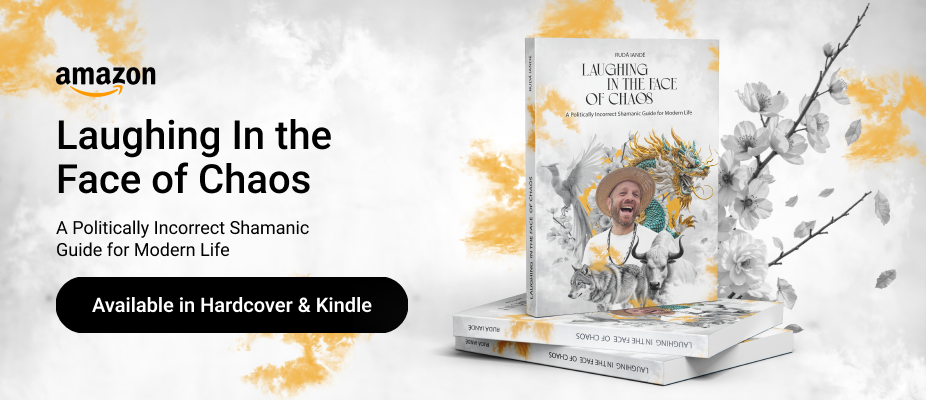
Reading Rudá Iandê’s Laughing in the Face of Chaos recently reminded me of this truth. His line, “The body is not something to be feared or denied, but rather a sacred tool for spiritual growth and transformation.” hit home for me.
It’s not self-indulgence—it’s self-respect. And for many wealthy people, that’s non-negotiable.
4. They guard their attention like a fortress
In an economy that thrives on distraction, attention has become a kind of currency—and the wealthy are deliberate about where they spend it.
They don’t just manage time; they protect focus. They curate what they consume, who they listen to, and when they allow interruptions.
You’ll often find that the most successful people have tight boundaries around media, meetings, and even friendships.
It’s not arrogance—it’s efficiency. When you treat your attention as sacred, you stop wasting energy on things that don’t align with your goals.
One executive I worked with refused to check email before 11 a.m. “If I start my day with everyone else’s priorities,” he told me, “I lose sight of my own.” That simple boundary made him twice as productive and half as stressed.
Maybe it’s worth asking yourself: How much of your attention is being spent by choice—and how much is being stolen?
5. They reflect before reacting
There’s a quiet discipline I’ve observed among the genuinely wealthy—they pause before making big decisions.
It’s not hesitation. It’s reflection. Money magnifies consequences, and they know it.
Personally, I use a “24-hour rule.” If something triggers a strong emotional response—good or bad—I wait a day before deciding. It’s amazing how much clarity returns once emotions settle.
Wealthy people don’t suppress emotion—they listen to it, but don’t let it lead the meeting. That’s what gives their choices calm authority.
6. They invest in relationships intentionally
Contrary to cliché, wealthy people don’t just network—they nurture.
They know real wealth isn’t only financial—it’s relational. They make time to connect meaningfully, not transactionally.
That might mean mentoring someone, checking on an old colleague, or writing a thoughtful thank-you note.
In my experience, the most accomplished professionals are also the most generous with introductions, advice, and encouragement.
They play the long game, knowing trust compounds like money does.
Randall Bell, Ph.D., notes that people who maintain both a calendar and a to-do list are 289 percent more likely to be millionaires than those who drift without structure.
Interestingly, many use that structure not just for work—but for people. They actually schedule connection.
That’s how generosity stays consistent instead of accidental.
7. They practice daily gratitude and self-checks
Finally—and perhaps most subtly—wealthy people take time to reflect on where they are, who they’ve become, and what still matters.
It’s not performative gratitude; it’s perspective maintenance. Without it, even abundance starts to feel empty.
I keep a small notebook where I jot down three things I’m grateful for and one lesson from the day.
Sometimes it’s a simple meal; sometimes it’s realizing I overreacted. Both matter equally.
Many wealthy people do something similar—not as a “manifestation trick,” but as a grounding habit. It keeps them aligned with purpose rather than autopilot.
Gratitude, done with awareness, deepens wealth rather than merely maintaining it.
Final thoughts
If you look closely, these rituals aren’t really about money. They’re about relationship—with time, body, attention, emotion, people, and purpose.
Wealthy people simply honor those relationships more consistently. That’s what creates the compounding effect everyone else calls “luck.”
So maybe the question isn’t “How do I become rich?” Maybe it’s “Which of these rituals can I start honoring today?”
Because at the end of the day, the most valuable currency isn’t in your bank account—it’s in how consciously you live.