Discover seven solo habits that strengthen empathy, balance, and connection—so you can show up in your relationship as your calmest, most grounded, and loving self.
We talk a lot about what makes relationships work—communication, trust, shared values—but rarely about something just as important: how you spend time alone.
The truth is, the quality of your partnership often mirrors the quality of your relationship with yourself. When you learn to meet your own needs, listen to your emotions, and find peace in solitude, you bring more balance, patience, and empathy to the table.
I’ve found that the strongest couples aren’t glued together; they’re two whole people who choose each other, not need each other.
If you want to show up as a calmer, more grounded, and more loving partner, start with these seven solo habits.
1. Journaling your emotions
Do you ever find yourself snapping at your partner, only to realize later that your reaction had nothing to do with them?
That’s where journaling comes in. Writing down your feelings helps you process emotions before they spill over. It’s like clearing mental clutter before it turns into conflict.
When I started journaling regularly, I noticed my conversations became more thoughtful and less defensive. I wasn’t reacting—I was responding.
The simple act of writing helped me understand what was really bothering me, and that made it easier to communicate clearly and calmly.
It’s not about keeping a perfect diary. It’s about taking five or ten minutes to check in with yourself and ask, What am I feeling, and why?
Over time, that emotional awareness translates into empathy—the foundation of every strong relationship.
2. Meditation or mindfulness practice
Relationships thrive when we learn to pause before reacting, to listen instead of rush to fix, and to be present without needing to control everything.
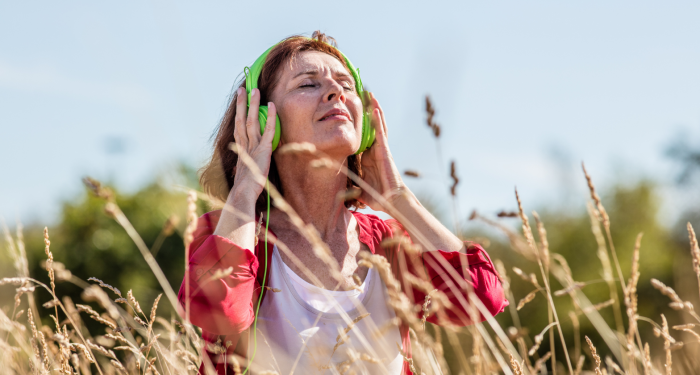
Meditation is one of the best ways to strengthen that kind of awareness. It trains you to notice your thoughts and emotions without judgment, which means you’re less likely to project your stress or insecurities onto your partner.
As Brené Brown reminds us, “Vulnerability is the birthplace of love, belonging, joy, courage, empathy, and creativity…If we want greater clarity in our purpose or deeper and more meaningful spiritual lives, vulnerability is the path.”
Mindfulness teaches exactly that—vulnerability with yourself. Sitting in stillness, noticing your fears and frustrations, and choosing not to run from them.
The beautiful side effect? You become more compassionate toward others. When you can sit quietly with your own discomfort, you stop expecting your partner to fix it.
3. Decluttering your space
Ever noticed how chaos in your home seems to spill into chaos in your relationship?
There’s a reason for that. Physical clutter often mirrors mental clutter—it drains your focus and creates tension you might unconsciously carry into conversations.
The process of simplifying your surroundings brings more than just visual calm; it shifts your inner landscape.
Albert Einstein once said, “Out of clutter, find simplicity. From discord, find harmony. In the middle of difficulty lies opportunity.”
When I started decluttering, it wasn’t just about tossing old clothes. It was about asking myself, What am I holding onto that doesn’t serve me anymore?
That question went far beyond my closet. The more peace I created in my space, the more harmony I found in my relationships.
4. Giving or volunteering
If you’ve ever volunteered your time—whether serving meals, mentoring a student, or helping at a community garden—you’ve probably noticed how grounded it makes you feel.
Generosity expands your capacity for love. It reminds you that empathy isn’t just a concept; it’s a practice.
Research from the American Psychological Association backs this up, noting that “acts of generosity light up the brain’s reward centers more than receiving does.”
When you give freely—without expecting anything in return—you rewire your brain toward joy and gratitude.
I’ve seen this firsthand at the local farmers’ market where I volunteer on weekends. Watching strangers connect over something as simple as fresh produce reminds me how fulfilling it is to be part of something bigger than myself.
That feeling of connection, humility, and shared humanity spills directly into how I show up in my relationship.
5. Creative expression (art or photography)
Not all emotions fit neatly into words. Sometimes, painting, sketching, or taking photos captures feelings that talking can’t.
Creative expression gives your emotions somewhere safe to land—it’s how you process, release, and make sense of what’s inside you.
When I’m working on a piece of art or editing a photo, I lose track of time. It’s meditative, but also revealing. I often realize, mid-brushstroke, that what I thought was frustration is actually sadness—or hope.
That kind of insight deepens emotional honesty.
As I read Rudá Iandê’s Laughing in the Face of Chaos recently, one line stayed with me:
“The greatest gift we can give to ourselves and to each other is the gift of our own wholeness, the gift of our own radiant, unbridled humanity.”
His insights reminded me that creativity isn’t about perfection—it’s about presence.
When we stop trying to be flawless and start being real, we connect from a much truer place.
6. Practicing gratitude
Here’s a little secret about gratitude—it changes what you notice.
When you start keeping a short list of what you’re thankful for each day, your brain begins to focus on what’s working instead of what’s missing.
In relationships, that shift is everything. Instead of fixating on your partner’s small annoyances, you naturally tune into their kindness, humor, and effort.
Gratitude softens criticism and builds appreciation—a far stronger foundation than perfection ever could.
Try this: before bed, write down three small moments from your day that made you smile. They don’t need to be profound.
Over time, you’ll notice how your energy changes—and how much lighter your connection feels.
7. Solo travel or mini adventures
Traveling alone—even just for a weekend—teaches you more about yourself than any self-help book. You learn to problem-solve, to sit with discomfort, and to trust your instincts.
When I took my first solo trip, I remember sitting at a café in Lisbon, surrounded by strangers, and realizing how peaceful I felt.
It wasn’t loneliness—it was self-trust. That sense of independence is a gift you bring back to your relationship.
When two people can stand on their own, they can stand stronger together. Independence doesn’t distance you—it deepens the respect between you and your partner.
Final thoughts
Strong relationships don’t come from constant togetherness.
They come from two individuals who know themselves deeply and keep growing—separately and together.
Every solo habit you practice—whether it’s journaling, meditating, or volunteering—isn’t just self-care. It’s relationship care.
The more grounded and fulfilled you are on your own, the more love you have to give.
So take time for yourself without guilt. Because the truth is, nurturing your own wholeness is one of the most loving things you can do for someone else.
If You Were a Healing Herb, Which Would You Be?
Each herb holds a unique kind of magic — soothing, awakening, grounding, or clarifying.
This 9-question quiz reveals the healing plant that mirrors your energy right now and what it says about your natural rhythm.
✨ Instant results. Deeply insightful.