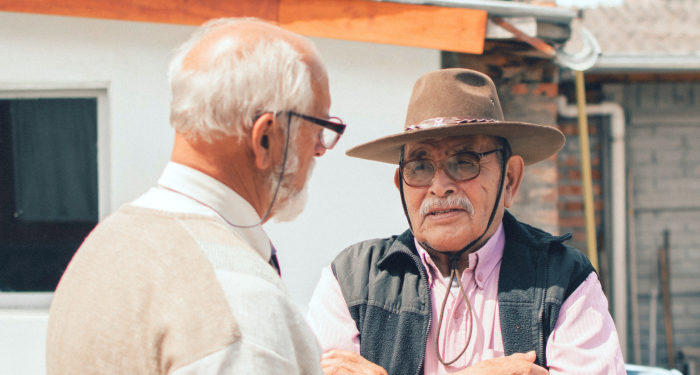
The childhood hobbies we once took for granted often shape our values, success, and sense of purpose long after we’ve grown up.
I’ve always found it fascinating how the smallest parts of childhood—our after-school routines, the hobbies we picked up almost by accident—end up shaping who we become as adults.
If you grew up in a middle-class home, you probably know what I mean. There wasn’t always an abundance of luxury, but there was an emphasis on doing. On creating, helping, learning, and trying.
And funny enough, even when life changes—career growth, financial comfort, maybe even a bit of “success”—some of those habits stick.
Not because we’re sentimental, but because they gave us something money can’t buy: resilience, imagination, and emotional grounding.
Here are seven of those childhood hobbies that tend to stay with us—and often become the invisible threads connecting our past values to our present success.
1. Playing an instrument
If you ever played the piano, violin, or guitar as a kid, you probably remember the discipline it took to practice. Scales, repetition, frustration—and then that small thrill when you finally nailed a piece you’d been working on for weeks.
Research from Johns Hopkins Medicine notes that making or playing music activates multiple areas of the brain, from memory centers like the hippocampus to emotional regulators like the amygdala, and the motor systems that coordinate movement.
In other words, it’s not just about music—it’s about wiring the brain for focus, persistence, and creative problem-solving.
And those traits never go away. Many adults who once played instruments find themselves drawn back to them later in life—not to perform, but to reconnect with that meditative sense of flow.
It’s a reminder that growth, like good music, takes rhythm and patience.
2. Writing or journaling
Growing up, writing often came in the form of a school diary or quiet reflections before bed. But what seemed like a simple pastime turns out to be one of the most powerful cognitive tools we can carry through life.
Psychology Today highlights that students who take notes by hand perform better on tests than those who type, because handwriting engages complex brain connections that encode new information and build memory.
In adulthood, that translates into sharper thinking and emotional clarity.
Personally, I still find that when I write things out longhand—especially during stressful moments—my thoughts slow down enough for me to understand what I’m actually feeling.
Writing becomes a mirror. It helps us see patterns, understand our fears, and reconnect with what truly matters.
And in a world full of noise, that’s an underrated superpower.
3. Doing chores
Let’s be honest—no one loved doing chores as a kid. Whether it was taking out the trash, setting the table, or folding laundry, it often felt like an unfair punishment.
But it taught us something deeper: that contribution matters.
Research suggests that kids who begin helping out with small chores by age four or five develop more self-confidence and a stronger sense of capability.
Those lessons don’t just fade when we grow up. They become the backbone of how we approach work, relationships, and personal responsibility.
When you’ve been raised to pitch in—without expecting applause—you carry an inner steadiness that doesn’t depend on status or wealth.
You understand that real pride comes from effort, not entitlement.
4. Volunteering or community service
Middle-class families often emphasize giving back—whether it’s helping at a school fundraiser, joining a cleanup drive, or visiting a neighbor in need.
At the time, it might have felt like another “thing” adults made us do. But later in life, it becomes a compass.
Volunteering teaches empathy in action—it shows us that we’re part of something bigger.
As I got older, I started noticing that some of the most grounded, fulfilled people I know—regardless of income—are those who never stopped contributing.
Their success feels more balanced, more human.
It reminds me of something I read recently in Rudá Iandê’s book, Laughing in the Face of Chaos:
“The greatest gift we can give to ourselves and to each other is the gift of our own wholeness, the gift of our own radiant, unbridled humanity.”
His insight struck a chord with me. Giving isn’t just about generosity—it’s about remembering our own wholeness and connection to others.
When we contribute from that place, wealth becomes more than a number; it becomes a tool for impact.
5. Reading for pleasure
For many middle-class kids, reading wasn’t just encouraged—it was expected. Trips to the library, quiet afternoons with a book, and the satisfaction of finishing a story that transported you somewhere new.
Those moments built more than vocabulary—they built imagination, empathy, and a lifelong curiosity about the world.
And those qualities are essential for anyone who wants to lead, innovate, or grow.
The most successful people I’ve met—financially or otherwise—are almost always readers. Not because it’s a productivity hack, but because it feeds the mind and spirit in ways scrolling never can.
If you’ve ever felt that familiar calm of getting lost in a book, you already know: reading is one of the few hobbies that still feels both grounding and expansive at once.
6. Playing sports
Whether it was soccer, basketball, or just neighborhood tag, sports were where many of us learned about teamwork, resilience, and humility.
We learned how to lose gracefully, how to keep going when we were tired, and how to show up for others.
Those lessons don’t just build stronger athletes—they build stronger adults.
Even now, when I face challenges at work or in relationships, I can trace some of my persistence back to those early games. To the sound of sneakers on pavement and the quiet belief that effort—no matter how small—counts for something.
Sports teach us that progress is earned in practice, not in the spotlight. And that’s a mindset that carries beautifully into any kind of success.
7. Fixing or building things (DIY projects)
Remember when “figuring it out yourself” was a normal part of growing up? From assembling furniture to tinkering with a broken bike, the do-it-yourself mentality was as much about curiosity as necessity.
It’s no surprise that this hands-on attitude often sticks. People who learned to fix things as kids tend to become resourceful, adaptable adults—qualities that matter even more in the modern world.
There’s also a quiet satisfaction in building something from scratch. It’s not just about saving money; it’s about reconnecting with effort, problem-solving, and the joy of seeing your work take shape.
And maybe that’s what so many middle-class hobbies have in common—they teach us to engage with life, not just consume it.
Final thoughts
Looking back, it’s easy to see these hobbies as small or ordinary. But in hindsight, they were powerful training grounds for adulthood.
Playing music taught us patience. Writing taught us reflection. Chores built confidence. Volunteering sparked empathy. Reading fueled imagination. Sports built resilience. DIY projects taught us to trust our own hands.
Even in wealth, these habits linger—not out of nostalgia, but because they remind us who we are at our best: curious, capable, and connected.
So maybe the hobbies we once saw as “just for kids” weren’t just pastimes after all.
Maybe they were early lessons in what it means to live well—and stay human—no matter how much life changes.
If You Were a Healing Herb, Which Would You Be?
Each herb holds a unique kind of magic — soothing, awakening, grounding, or clarifying.
This 9-question quiz reveals the healing plant that mirrors your energy right now and what it says about your natural rhythm.
✨ Instant results. Deeply insightful.