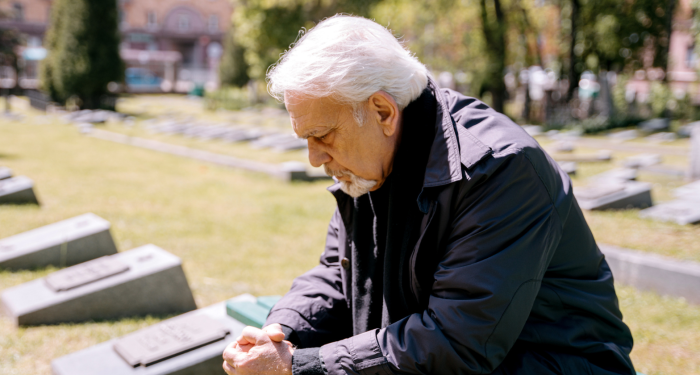
There were years when “getting out” meant spending big. Now, it means a book, a bench, and zero regret the next day.
Ever come home from a “quick outing” with a mysteriously lighter wallet and a tote full of things you barely needed? Same.
There were years when leaving the house felt like paying a cover charge for my own life.
As a former financial analyst turned writer, I’ve learned this: we don’t just spend money—we also spend energy and attention. And the feeling that fun always costs $200 is often a habit loop, not a hard truth.
Below are nine low-cost ideas I lean on when I want real joy without the regret hangover. They’re simple, social (when you want them to be), and most importantly, satisfying.
Let’s make “I need to get out” mean something better than “I need to spend.”
1. Take a green hour
When was the last time you let a park decide your pace?
Pick a patch of green (or blue—river, lake, ocean) and give yourself a full hour to wander, sit, stretch, people-watch, sketch, or just breathe. No agenda. No step-counting. Just an intentional reset outside.
As the American Psychological Association notes, “Spending time in nature is linked to both cognitive benefits and improvements in mood, mental health and emotional well-being.”
Pro tip: Make it a micro-adventure. Choose a bus stop you’ve never used, ride three stops, then get off and find the closest green space. Pack water, a fruit, and your curiosity.
2. Become a library regular
Libraries are basically cheat codes for a rich life on a slim budget.
Beyond books, most offer free workshops, author talks, language circles, tool-lending, seed libraries, and makerspaces.
I’ve dropped into everything from zine-making nights to a weekend ukulele class (no, I won’t play for you—yet).
Make it an outing: walk there, browse the “Lucky Day” shelf, grab a community event flyer, and leave with a stack that makes your living room feel like a boutique bookstore—minus the receipt.
3. Host a tiny potluck + board game swap
Want to socialize without splitting a $300 dinner bill? Try a “three-ingredient potluck.” Each person brings a dish with—yep—three ingredients max. It keeps prep simple and creative.
Layer on a board game or puzzle swap. Everyone brings one game or 1,000-piece beast they’re done with, and you rotate. You’ll leave with a new game and zero online shopping carts to tempt you later.
If you prefer quieter nights, do a “recipe club” where you all cook the same simple dish at home and hop on a 30-minute call to compare notes. Community doesn’t have to be loud (or expensive).
4. Try a $10 culture night
Most cities have free museum days, gallery openings with complimentary snacks, community theater pay-what-you-can nights, and open rehearsals at music schools.
I keep a running “culture calendar” from local newsletters and Instagram accounts. When a free night pops up, I invite a friend and set a cash-only budget (say, $10 for a coffee after). Leaving the card at home is oddly liberating.
If you’re rural, curate a culture night at home: watch a recorded performance on YouTube (ballet, jazz, a lecture), dim the lights, and dress up anyway. You’ll be surprised how ceremonial it feels.
5. Do a good-hour (volunteer shift)
I volunteer at our local farmers’ market, and it’s one of the happiest hours of my week. You meet neighbors, move your body, and feel useful—without spending a dime.
This isn’t just feel-good fluff. As Mayo Clinic puts it, “Volunteering reduces stress and increases positive, relaxed feelings by releasing dopamine.” (That’s your brain’s “well done” pat on the back.)
If you’re not sure where to start, pick something low-friction: hand out water at a race, sort books at a library sale, tidy trails with a parks group, or stock shelves at a food pantry. Start with one hour.
You’ll want to come back.
6. Sunrise coffee + journaling
Before the day starts charging admission, steal the quiet.
Make your favorite coffee at home, pour it in a thermos, and walk to a spot with sky—balcony, stoop, park bench. Put your phone on airplane mode. Write one page answering three prompts:
-
What am I grateful for today?
-
Where can I do “less but better”?
-
What would make today feel complete?
I used to save journaling for when life felt messy; now I use it to keep life from getting messy. Ten minutes, big difference.
7. Skill-swap Saturday
There’s a good chance your friends are sitting on talents you’ve never tapped. Arrange a mini “barter market” for skills—one-hour trades only.
Your friend teaches you how to frost cupcakes; you show them how to set up a budget template. Someone else gives a crash course in smartphone photography; you share basic stretching for desk workers.
The rules: keep it hands-on, keep it light, and end with a walk. You’ll leave with new skills and that buzzy “we did something” feeling—no invoice required.
8. Neighborhood sport, zero membership
Gyms are great. But so are school courts after 6 p.m., park lawns at golden hour, and that scrappy community center that charges $3 for drop-in badminton.
Text two friends for a no-score game of pickup soccer, frisbee, or basketball. Rotate who chooses the activity so no one becomes cruise director.
If coordination is hard, go solo: try a “play circuit”—10 minutes of jump rope, a few sprints, and a stretching cool-down. It’s movement without the logistics (or the pricey activewear).
The real win: you anchor your social life to sweat and sunlight—not tabs and tips.
9. A book + a bench (or a pop-up reading club)
Reading is the most affordable time travel I know.
If you want company, start a micro-book club: same park bench each week, 45 minutes of silent reading, 15 minutes to chat. It’s delightfully low-pressure—no one pretends they finished Chapter 18.
Bring a one-line favorite passage to share.
A few mindset tweaks that make “cheap” feel rich
-
Decide your default. If your old go-to was “brunch and browse,” pick new defaults: “park and thermos,” “library and loop,” “gallery and walk.” Defaults save you from decision fatigue… and impulse receipts.
-
Use cash for treats. Want a pastry after your museum stroll? Lovely. Bring exactly the amount you’re willing to spend. Swiping feels abstract; cash feels real.
-
Make it ceremonial. Light a candle before your at-home concert, lay a blanket for your park picnic, write a page before your walk. Small rituals trick your brain into noticing, and noticed moments feel bigger.
-
Invite someone… or don’t. Some of the most restorative outings are solo. Others become magical with one good friend. Try both. Notice which fills you up this week.
-
Track your joy-per-dollar. Analyst brain speaking: I sometimes jot down “joy notes” in my phone—what I did, who I was with, how it felt. Patterns emerge. Often, the $0 events earn the highest marks.
Final thoughts
Fun doesn’t have to be a financial event. In fact, when we decouple joy from spending, we start noticing the small, steady things that make a life: sun on a bench, a library card in your pocket, an hour of helpful hands, a page that changes your mind.
Pick one idea and try it this week. Then, when your brain whispers “We should go out,” it might mean “Let’s go outside,” not “Let’s go spend.”
I’ll be the grown woman on the park bench with a book, a thermos, and a silly grin. Come say hi.
If You Were a Healing Herb, Which Would You Be?
Each herb holds a unique kind of magic — soothing, awakening, grounding, or clarifying.
This 9-question quiz reveals the healing plant that mirrors your energy right now and what it says about your natural rhythm.
✨ Instant results. Deeply insightful.