Expanding your network doesn't require forced networking events or awkward introductions at parties when you're engaged in activities you actually enjoy.
Some people seem to just effortlessly know everyone in town. They're not networking gurus or extroverts with superhuman powers. They're just doing their thing on weekends, and somehow, their social circle keeps growing.
Here's what I've learned: expanding your network doesn't require attending forced networking events or awkwardly introducing yourself to strangers at parties. It happens naturally when you're engaged in activities you actually enjoy.
Let's explore seven weekend habits that help people build genuine connections without even trying.
1. They join recreational sports leagues
There's something about shared physical activity that breaks down social barriers faster than any icebreaker game ever could.
I joined a casual volleyball league a few years back, and within a month, I had a group of people I genuinely looked forward to seeing every Sunday. We weren't just teammates. We grabbed drinks after games, started a group chat, and eventually became real friends.
The beauty of recreational sports is that you're united by a common goal, but the stakes are low enough that people stay relaxed and open. You're sweating together, laughing at missed shots, and celebrating small victories. That creates bonds.
Whether it's kickball, ultimate frisbee, or even bowling, these leagues are designed for fun first and competition second. You don't need to be athletic. You just need to show up consistently.
2. They volunteer for causes they care about
Want to meet people who share your values? Volunteer work is one of the most underrated ways to do it.
When you're working alongside others toward something meaningful, conversations flow naturally. You're not making small talk about the weather. You're discussing things that matter, collaborating on projects, and seeing each other at your best.
I've volunteered at food banks, community gardens, and animal shelters over the years. Each experience introduced me to people I never would have met otherwise. The connections felt more authentic because we were there for the same reason, not because we were obligated to network.
As noted by experts, volunteering can lead to improved social wellbeing and a stronger sense of community connection. It's not just about helping others. It's about being part of something bigger than yourself.
3. They attend workshops or classes
Remember being in school and how friendships just happened because you sat next to someone in class? That same dynamic works as an adult.
Taking a pottery class, learning a new language, or attending a photography workshop puts you in a room with people who are curious about the same things you are. You already have common ground.
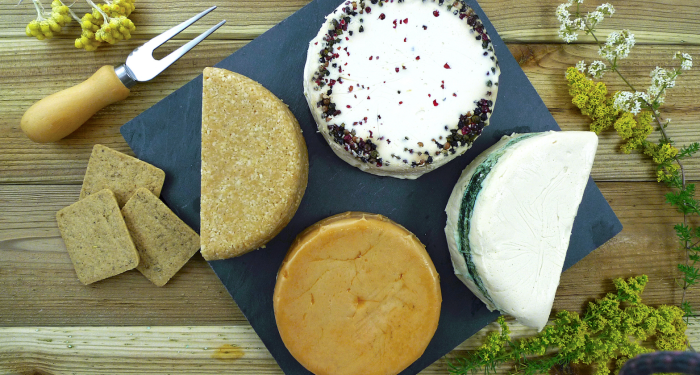
I took a cooking class last year focused on plant-based cuisine. Not only did I learn to make killer cashew cheese, but I also met three people who became regular dinner companions. We still share recipes and occasionally cook together.
The structure of a class makes socializing easier. There are natural conversation starters built in. You can ask someone about their technique, share frustrations over a difficult skill, or celebrate progress together.
Plus, you're learning something valuable while expanding your circle. That's what I call efficient use of weekend time.
4. They become regulars at local spots
There's real power in showing up to the same place regularly.
Coffee shops, farmers markets, bookstores, yoga studios. When you frequent the same spots, you start recognizing faces. Those nods of acknowledgment turn into quick chats. Those chats sometimes turn into friendships.
I've mentioned this before, but one of my favorite habits is grabbing coffee at the same cafe every Saturday morning. Over time, I got to know the baristas, other regulars, and even the guy who always brings his dog. We're not best friends, but we're part of each other's weekends.
This works because repeated exposure builds familiarity and trust. Social psychologists call this the mere exposure effect. We tend to develop preferences for things and people simply because they're familiar to us.
Being a regular also makes you more approachable. People are more likely to strike up a conversation with someone they've seen before than a complete stranger.
5. They explore farmers markets and community events
Farmers markets are social goldmines that most people treat like grocery stores.
Yes, you can grab your vegetables and leave. Or you can linger, chat with vendors, sample products, and strike up conversations with other shoppers. The atmosphere is relaxed, people are in good moods, and there are endless conversation starters.
I once spent 20 minutes talking to someone about heirloom tomatoes. It sounds ridiculous, but that conversation led to swapping gardening tips, which led to exchanging numbers, which led to actually hanging out later.
The same goes for street fairs, art walks, outdoor concerts, and neighborhood festivals. These events are designed to bring communities together. People attend them specifically to enjoy their surroundings and connect with others.
Show up with an open attitude. Compliment someone's dog. Ask about a vendor's story. Make eye contact and smile. These small gestures open doors.
6. They join book clubs or discussion groups
If you love reading but hate small talk, book clubs might be your perfect social outlet.
Discussion groups give you something substantial to talk about right away. There's no awkward "so, what do you do?" phase because you're diving into themes, characters, and ideas that actually matter.
I joined a nonfiction book club focused on psychology and decision-making. Not surprisingly, I met people who think about the world similarly to how I do. Our discussions often continue long after the official meeting ends.
As psychologist Susan Pinker has noted in her research, face-to-face social interactions significantly impact our wellbeing and even our longevity. Book clubs provide structured, meaningful interaction without the pressure of traditional socializing.
The key is finding a group that matches your interests. There are book clubs for every genre, from sci-fi to memoirs to business books. Some meet in person, others hybrid. Find one that fits your style.
7. They host or attend potlucks and casual gatherings
Here's something I learned from traveling through Southeast Asia: sharing food is one of the most universal ways to build community.
Potlucks take the pressure off. Nobody has to prepare everything. Everyone contributes something. The focus shifts from impressing people to simply enjoying each other's company.
I started hosting monthly potlucks a couple of years ago. I invited friends and encouraged them to bring others. My social circle expanded exponentially because each person brought their own connections into the mix.
What makes potlucks effective is that they're low-stakes. There's no dress code, no expensive venue, no formal agenda. People can come and go as they please. Conversations happen organically while people are serving food or sitting around a table.
If hosting feels overwhelming, start small. Invite three or four people. Ask everyone to bring one dish. Create a relaxed atmosphere where people feel comfortable being themselves.
You can also attend potlucks hosted by others. Community centers, religious organizations, and social groups often organize these events. Show up with something homemade and a willingness to engage.
The bottom line
Expanding your social circle doesn't require a personality transplant or strategic networking tactics.
It happens when you consistently show up to activities you genuinely enjoy, stay open to conversation, and give relationships time to develop naturally.
The people who seem to know everyone aren't doing anything magical. They're just putting themselves in environments where connections can form organically. They're saying yes to invitations, showing up regularly, and being present when they're there.
So, what are you doing this weekend? Pick one activity from this list and give it a try. Your future friends are probably already there, doing the same thing.
What’s Your Plant-Powered Archetype?
Ever wonder what your everyday habits say about your deeper purpose—and how they ripple out to impact the planet?
This 90-second quiz reveals the plant-powered role you’re here to play, and the tiny shift that makes it even more powerful.
12 fun questions. Instant results. Surprisingly accurate.