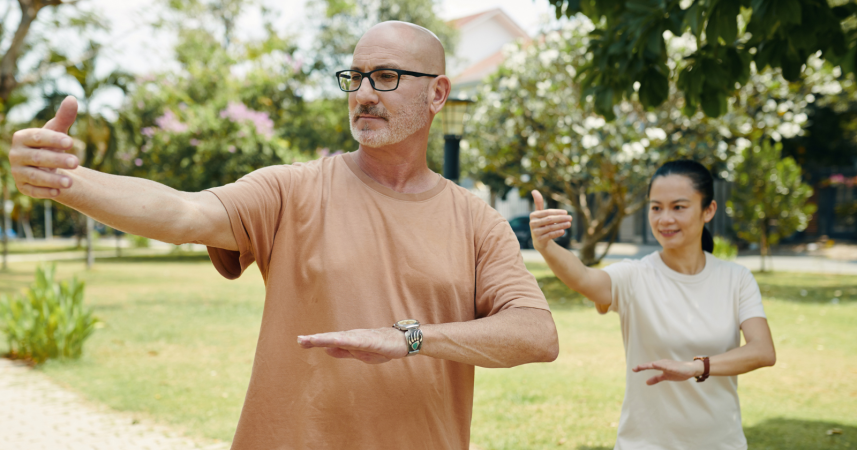
Small wins, new rhythms, and low stakes—this is what a joyful second act can look like.
What if this next chapter wasn’t about “filling time,” but about building a life that feels lighter, healthier, and more you?
When I left a numbers-first career and stepped into writing, I discovered something lovely: beginners have all the fun.
You get permission to experiment, mess up, laugh, and try again. Retirement is a perfect moment to claim that energy. Below are seven easy-on-ramps—low-cost, beginner-friendly hobbies that deliver outsized returns for your mind, body, and social life.
Try one. Or sample a few like a tasting menu and see what surprises you.
1. Walking with purpose (and a little wonder)
I know—walking sounds almost too basic to make any list. But hear me out.
Add two ingredients—companionship and curiosity—and a simple stroll becomes a hobby you’ll want to show up for.
Start with a weekly loop in your neighborhood or local park. Invite a neighbor, your partner, or a walking group you find through your community center or library. Then layer in curiosity. Pick a “mini-mission” for each walk: search for five kinds of leaves, count birdsong you recognize, photograph textures, or note one small seasonal change.
Why it works: it’s gentle on joints, it’s social, and progress is easy to see—longer routes, quicker laps, or just better mood after. If you want a little structure, try this starter rhythm:
-
Week 1: 15 minutes, 3 times
-
Week 2: 20 minutes, 4 times
-
Week 3: 25–30 minutes, 4 times
Pro tip: keep a tiny “walk log”—two lines in a notebook or your phone. Tracking how you felt can be more motivating than counting miles.
2. Gardening in containers (even if you don’t have a yard)
I garden for the same reason I trail run: it gives my brain a quiet place to land. But you don’t need a big yard to get the benefits. A sunny window, balcony, or doorstep will do.
Start with three containers: one culinary herb (basil or mint), one easy green (leaf lettuce), and one flower (marigolds are forgiving). Use a quality potting mix, containers with drainage, and a simple watering routine—finger test the soil each morning; water when the top inch feels dry.
What you’ll notice: mornings feel inviting. You’ll pop outside, check the leaves, pinch a sprig for lunch, and watch bees visit. A tiny ecosystem… that you helped start.
Want a social layer? Swap cuttings with neighbors, or join a seed library at your local branch. You’ll learn quickly, and people love to talk plants.
3. Pickleball (the friendliest way to rediscover your competitive spark)
If you haven’t tried it yet, pickleball is the best “I haven’t played a sport in years” sport out there. The court is small, the paddle is light, and the vibe—at least at community courts—is welcoming.
Your starter kit: court shoes, a beginner paddle, and two balls. Many parks have open-play hours for newcomers. Show up once, and you’ll likely leave with three new names in your phone and plans to meet again.
The secret sauce is the rally. Points last longer than in tennis, which gives you more touches, more laughter, and more chances to learn. Aim for 45–60 minute sessions, 2–3 times a week. You’ll build balance, reaction time, and a sneaky amount of cardio.
As noted by the U.S. Surgeon General, “Social connection is as essential to our health as food, water, or shelter”—and activities that blend movement with community deliver on both fronts.
4. Tai chi for balance, breath, and calm
“Moving meditation” sounds like a marketing phrase until you try tai chi for ten minutes and feel your shoulders drop two inches. It’s slow, it’s fluid, and it’s accessible at any fitness level. If you’ve ever said, “I should work on my balance,” this is a gentle, proven path.
Find a beginner class at a community center or via a reputable online series. Focus on three basics: posture (crown tall, tailbone heavy), breath (steady, through the nose), and weight shifts (ground each foot). Two or three short sessions a week can change how you move through your day.
The Harvard Health calls tai chi “meditation in motion,” noting its benefits for stability and stress.
Start with the first two or three forms, and measure progress by how your body feels when you go up stairs, step off curbs, or reach into a cabinet. Balance in daily life is the real trophy.
5. A sketchbook you carry everywhere (not “art,” just seeing)
Do you need to be “artistic” to keep a sketchbook? Absolutely not. Think of this as training your attention, not producing masterpieces. A pen, a pocket-sized notebook, and five minutes a day are enough.
Begin with “contour” sketches—tracing the edges of an object without lifting your pen. Keep it messy. Date your pages. Draw your coffee mug, the shadows on your wall, the curve of a leaf. The point is noticing.
To make it stick, tie your sketch to a habit you already have—morning tea, an afternoon break, or your evening TV time. Once a week, flip back through your pages.
You’ll see progress in line confidence and in how you observe the world. That feeling—“I see more now”—is addictive in the best way.
If you enjoy company, look for an urban sketchers meetup. There’s something energizing about sitting on a bench with others, heads down, pens moving, the city breathing around you.
6. Cook one new plant-forward recipe each week
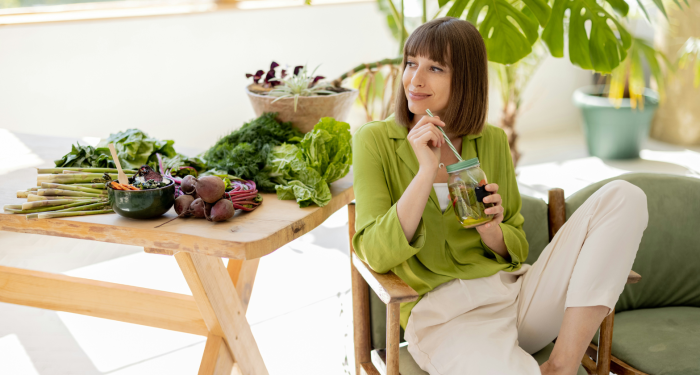
You don’t need a high-wire culinary challenge. You need a rhythm. One new recipe each week is enough to learn, enjoy, and build a repertoire that supports your health.
Pick a theme per month—soups, one-pan roasts, grain bowls, or freezer-friendly staples. Keep it simple: a sheet-pan of vegetables and chickpeas with a bright sauce; a lentil soup that tastes even better the next day; a citrusy salad you can make from pantry items.
To make this a hobby (not a chore), add three playful elements:
-
A “keeper” list on your fridge for recipes you’ll repeat
-
A tiny ritual—music on, apron tied, candle lit
-
A friend to swap recipes with (send each other a photo every Sunday)
And if you grow a few herbs from Hobby #2, you’ll get the satisfying loop of snipping from your own pots to flavor dinner. (My basil practically raises its hand to be included.)
7. Volunteering that taps your existing strengths
Is volunteering a hobby? If we define a hobby as “something you do regularly for enjoyment that stretches you a bit,” then yes. And it’s one with built-in meaning.
Start with your strengths. If you’ve got a finance or operations background (hello, old life), nonprofit boards and community organizations desperately need those skills.
If you’re a patient listener, consider phone check-ins with isolated seniors. If you like being outside, join a park clean-up or community garden. I volunteer at a farmers’ market because I love the hum of people getting good food; maybe your version is helping at a library book sale or tutoring reading on Tuesday afternoons.
Test-drive opportunities with “micro-volunteering” first—single events or short-term commitments. When something clicks, scale up. A simple monthly cadence (first Saturday, third Tuesday) turns good intentions into a living routine.
And remember: give yourself permission to change lanes. You’re not signing a lifetime contract. You’re exploring.
How to choose your first one (and actually stick with it)
Still undecided? Try this quick pick method:
-
Energy fit: In this season, do you want calming, social, or invigorating?
-
Ease: Can you start this week with gear you already own or under $50?
-
Feedback: Will you see small wins in the first two weeks?
Pickleball checks “social” and “feedback.” Sketching checks “calming” and “ease.” Container gardening hits all three if you’ve got a sunny window.
Then, nudge yourself with structure. Put two sessions on your calendar for the next 10 days. Tell one person. And after each session, jot a 30-second note about how you felt. That’s your accountability loop.
A few gentle rules I follow (so hobbies stay joyful)
-
Start tiny. Five to fifteen minutes is enough to build the identity of “I’m someone who does this.”
-
Expect awkwardness. In the beginning, feeling clumsy is not a bug—it’s proof you’re learning.
-
Stack cues. Tie the new thing to an existing routine: “After breakfast, I water and sketch.”
-
Keep it social (when you want). A buddy or a group turns an activity into a community.
-
Measure what matters. Not steps or scores—how your body and mood feel afterward.
And yes, let yourself quit the ones that don’t click. That’s not failure; that’s editing. Retirement is precious because you get to curate.
Final thought
Beginnings are tender. They ask for curiosity more than competence. Choose one hobby that feels like breathing room, give it two honest weeks, and let it teach you something about what this season of life wants to be.
If you bump into me at a Saturday market or see me kneeling on a trail to admire a stubborn little violet, say hi. Beginners recognize each other.
We’re the ones looking closely, smiling more, and showing up again next week.
As the poet Mary Oliver asked, “What is it you plan to do with your one wild and precious life?” Maybe the answer starts with trying something small… today.
What’s Your Plant-Powered Archetype?
Ever wonder what your everyday habits say about your deeper purpose—and how they ripple out to impact the planet?
This 90-second quiz reveals the plant-powered role you’re here to play, and the tiny shift that makes it even more powerful.
12 fun questions. Instant results. Surprisingly accurate.