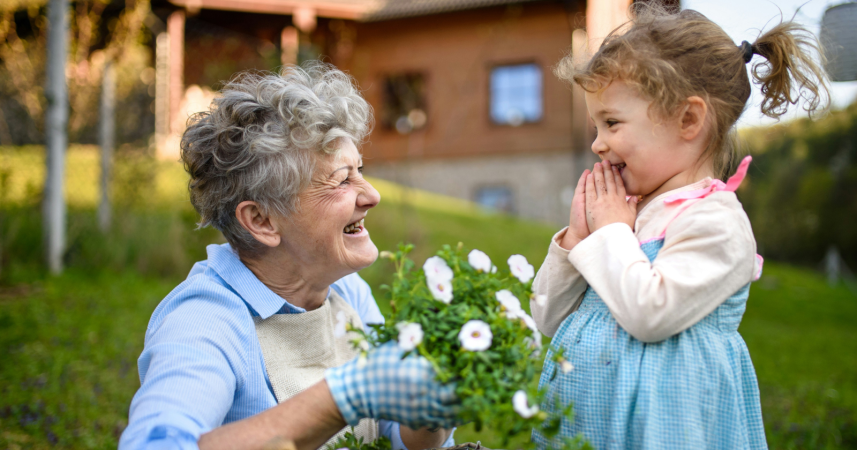
Gardening burns around 330 calories per hour, comparable to a moderate gym session, minus the membership fee and with the added satisfaction of watching something grow.
Ever notice how some of the most active people you know don't have a gym membership?
I see it all the time in my own neighborhood. My neighbor Jim is in his late sixties and moves with more energy than people half his age. His secret? He's never set foot in a gym. Instead, he spends his mornings tending to his sprawling vegetable garden and his afternoons hiking local trails.
The truth is, retirement often brings a shift in how we think about fitness. Gone are the days of forcing ourselves onto a treadmill under fluorescent lights. Many retirees are discovering that staying active doesn't require a monthly membership or complicated equipment.
If you've been dreading the idea of joining a gym but still want to stay healthy and strong, you're in luck. Here are seven physical activities retirees are embracing that prove the gym is completely optional.
1. Gardening
Think gardening is just a hobby? Think again.
When you're digging, planting, weeding, and hauling bags of soil, you're getting a full-body workout. Squatting to reach low plants strengthens your legs. Pulling weeds engages your core. Lifting pots and bags builds upper body strength.
As noted by CNN, gardening can burn around 330 calories per hour for a person weighing 154 pounds. That's comparable to a moderate gym session, minus the membership fee.
Plus, there's something deeply satisfying about working with your hands and watching something grow. It's exercise that doesn't feel like exercise because you're focused on the tomatoes you're nurturing, not the calories you're burning.
2. Swimming
Here's a question: when was the last time you felt completely weightless?
Swimming offers that rare sensation, and it's one reason so many retirees are drawn to the pool. The buoyancy of water takes pressure off joints while still providing resistance for your muscles. It's gentle enough for those with arthritis or mobility issues, yet challenging enough to build cardiovascular endurance.
I started swimming regularly a few years ago after a knee injury made running difficult. What surprised me wasn't just how quickly my stamina improved, but how much better my whole body felt. My shoulders became stronger, my breathing deepened, and that nagging lower back pain practically disappeared.
You don't need fancy equipment or expensive lessons. Many community centers offer affordable pool access, and once you're in the water, you can go at your own pace.
3. Walking groups
Walking might sound too simple to count as real exercise, but don't underestimate it.
Regular walking strengthens your heart, improves bone density, and helps maintain a healthy weight. But here's where walking groups take it up a notch: the social element keeps you accountable. When you know people are expecting you, you're far more likely to show up, even on days when motivation is low.
I've watched people transform through walking groups. One woman I know started attending walks twice a week after retiring from her corporate job. Within six months, she'd lost twenty pounds and made a whole new circle of friends. She told me the walks became the highlight of her week.
The beauty of walking groups is their flexibility. Some move at a brisk pace for serious cardio, while others take it slow and focus on conversation. Either way, you're moving your body and connecting with others.
4. Tai chi
Have you ever watched someone practice tai chi and wondered what the appeal was?
This ancient Chinese practice involves slow, deliberate movements that flow from one to the next. It might look easy, but it requires focus, balance, and controlled breathing. Research from Harvard Health Publishing shows that tai chi can improve balance and stability, which is particularly valuable as we age.
What makes tai chi special is how accessible it is. You don't need to be flexible or strong to start. The movements can be modified for any fitness level, and many practitioners say it helps reduce stress while building physical strength.
Many parks offer free tai chi classes in the mornings. All you need is comfortable clothing and a willingness to move slowly and mindfully.
5. Cycling
Remember the freedom you felt riding a bike as a kid?
That feeling doesn't have an expiration date. Cycling is low-impact, easy on the joints, and surprisingly effective for building leg strength and cardiovascular health. Whether you're riding through your neighborhood or exploring bike trails, you're getting exercise while experiencing your surroundings in a way that driving never allows.
My uncle picked up cycling again at sixty-two after decades away from a bike. He started with short rides around his block and gradually worked up to twenty-mile weekend adventures. He says it's given him a sense of adventure he thought he'd lost.
E-bikes have also opened up cycling to people who might find traditional bikes too challenging. The pedal-assist feature means you can still get a workout while having help on those tough uphill sections.
6. Dancing
When was the last time you danced?
Not at a wedding where you felt obligated, but really danced because you wanted to. Dancing is one of the most joyful forms of exercise out there. It works your cardiovascular system, improves coordination, and challenges your brain as you learn new steps and sequences.
Ballroom dancing, line dancing, Zumba for seniors, folk dancing. The options are endless, and each style brings its own benefits. The music lifts your mood, the movement gets your blood pumping, and if you're dancing with a partner or group, you're building social connections at the same time.
According to a study published in the New England Journal of Medicine, dancing frequently was associated with a reduced risk of dementia. So you're not just strengthening your body but keeping your mind sharp too.
7. Yoga
Think you need to be flexible to do yoga? That's exactly backwards.
Yoga is how you become flexible. It's also how you build strength, improve balance, and learn to breathe properly. The practice meets you where you are. If you can't touch your toes, that's fine. If you need to use props or modify poses, that's expected.
I came to yoga skeptically, thinking it wouldn't be challenging enough. I was wrong. Holding poses requires significant muscle engagement, and the balance work is humbling. But what kept me coming back was how my body felt afterward: looser, stronger, more capable.
Chair yoga has become particularly popular among retirees because it makes the practice accessible to people with mobility limitations. You get the benefits of stretching and strengthening without getting down on the floor.
Final thoughts
The gym works great for some people. But if fluorescent lights and weight machines aren't your thing, you have plenty of other options.
The retirees I know who are most active aren't the ones with gym memberships. They're the ones who've found activities they genuinely enjoy, activities that fit naturally into their lives rather than feeling like obligations.
Maybe it's time to let go of the idea that "real" exercise only happens in a gym. Your body doesn't care whether you're lifting weights or lifting bags of mulch. What matters is that you're moving, challenging yourself, and most importantly, enjoying the process.
So pick something from this list that sounds appealing and give it a try. You might just discover that the best workout you've ever had doesn't require a gym membership at all.
Just launched: Laughing in the Face of Chaos by Rudá Iandê
Exhausted from trying to hold it all together?
You show up. You smile. You say the right things. But under the surface, something’s tightening. Maybe you don’t want to “stay positive” anymore. Maybe you’re done pretending everything’s fine.
This book is your permission slip to stop performing. To understand chaos at its root and all of your emotional layers.
In Laughing in the Face of Chaos, Brazilian shaman Rudá Iandê brings over 30 years of deep, one-on-one work helping people untangle from the roles they’ve been stuck in—so they can return to something real. He exposes the quiet pressure to be good, be successful, be spiritual—and shows how freedom often lives on the other side of that pressure.
This isn’t a book about becoming your best self. It’s about becoming your real self.