Looking back, these stores were never just places to shop. They were the quiet backdrops to the moments that shaped who we became.

Add VegOut to your Google News feed. 
Growing up in a middle-class family in the 80s felt like living inside a brightly lit mall of possibilities.
Everything seemed shinier back then.
Even grocery carts felt sturdier.
And if your childhood was anything like mine, the stores your family frequented told a quiet story about where you fell on the economic ladder.
It is funny how memory works.
One whiff of plastic packaging or the faint beep of an old barcode scanner and suddenly I am right back there, holding my mom’s hand while she compared cereal prices with almost Olympic level concentration.
As an adult who eventually worked in finance, I now see just how much those shopping habits reflected the economic mindset of the time.
Middle-class parents were not frivolous, but they were not penny pinchers either.
They shopped strategically.
They balanced quality with affordability.
And they knew exactly which stores hit that sweet spot.
Let’s take a little walk down memory lane.
If your family shopped at these nine stores, there is a very good chance you grew up squarely middle-class in the 80s.
1) Kmart
Do you remember the Blue Light Special?
That flashing beacon announced bargains with the dramatic flair of a spotlight.
For a lot of middle-class families, Kmart was not just a store.
It was a weekly ritual.
My mom treated Kmart like a strategic battlefield.
Coupons, weekly circulars, and the clearance rack were her holy trinity.
We would walk out with a cart full of everyday essentials that felt like small victories for the household budget.
Kmart occupied that sweet place between cheap and solid value.
You did not go there to splurge, but you walked out feeling like you made smart choices.
And in middle-class families, that mattered.
2) JCPenney
If Kmart handled the basics, JCPenney was where families went for the slightly nicer versions of life.
Back to school shopping? JCPenney.
Family photo outfits? JCPenney.
A new comforter to replace the one your brother spilled orange soda on? JCPenney again.
I still remember trying on corduroy pants in a dressing room that smelled like new fabric and hopeful ambition.
There was something reassuring about JCPenney.
The merchandise felt dependable. The prices were fair. The energy was calm.
Middle-class parents trusted places that did not try to upsell them into a financial panic.
JCPenney delivered exactly that.
3) Sears
Sears was practically a cultural institution.
Appliances, tools, clothing, sporting goods.
It was the Swiss Army knife of the 80s retail world.
What set Sears apart for middle-class families was durability.
If something came from Sears, it was expected to last.
My dad bought every lawnmower, drill, and chainsaw from there as if the company were his personal sponsor.
And I swear, some of those tools are still operational.
Even the Sears catalog was an event.
That thick, glossy book was the ultimate window shopping experience.
I circled dozens of toys every holiday season as if I were placing stock trades.
Sears represented stability, and stability is the bedrock of the middle class.
4) Toys “R” Us
Nothing lit up an 80s kid’s face like pulling into the Toys “R” Us parking lot.
For middle-class families, visiting this store was not a weekly event.
It was a treat.
A birthday. A good report card celebration. A holiday errand that doubled as a memory.
Here is what is interesting from a psychological standpoint.
Kids did not just understand the value of toys.
They intuitively understood the value of the outing itself.
Walking through aisles of neon packaging felt magical.
That experience helped shape our early ideas about money, desire, and reward.
Middle-class families did not spoil their kids with everything they wanted, but they made moments like this count.
And those moments stayed with us.
5) RadioShack
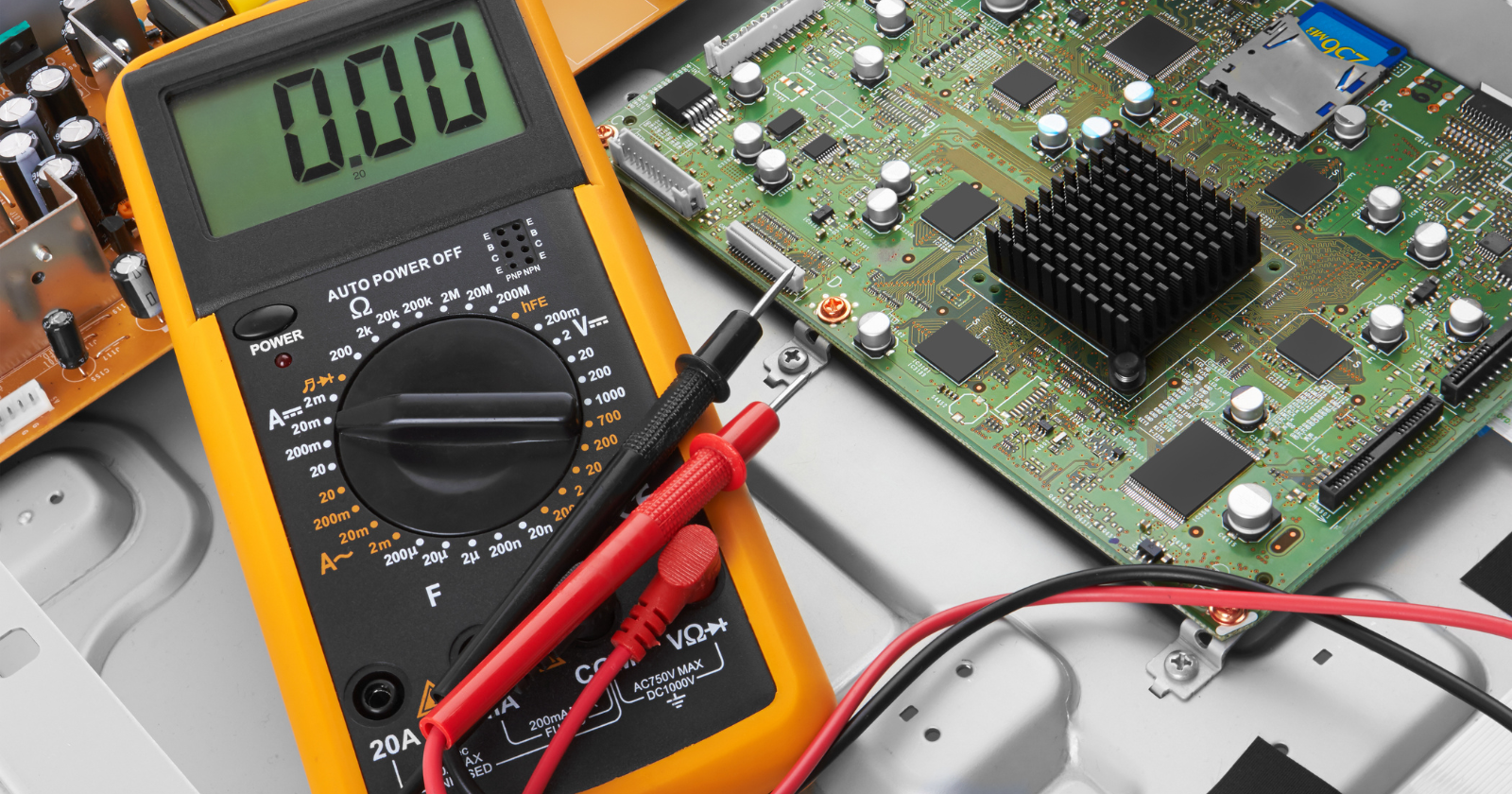 Was RadioShack the original playground for curious minds? Absolutely.
Whether your family needed batteries, a random cable, a fuse your dad insisted he could replace himself, or the latest in very basic home electronics, RadioShack was the go to.
My family was pretty low tech, but my uncle practically lived in the store.
He bought circuit boards as if they were collectible cards.
At the time, I did not fully appreciate how this tiny shop served as a hub for a generation that wanted modern convenience without modern price tags.
RadioShack captured the middle-class spirit perfectly.
Small budget. Big dreams. Always tinkering with something.
6) Payless ShoeSource
Nothing expressed middle-class efficiency like buying everyone’s shoes in one trip.
Payless had the kind of prices that allowed parents to breathe a little easier, especially when kids outgrew sneakers every five minutes.
And honestly, those BOGO sales felt like sorcery.
A full family shoe refresh for under fifty dollars? Pure 80s brilliance.
The shoes may not have lasted forever, but they lasted long enough.
And that was the silent formula in a lot of middle-class households.
7) The local mall’s department store
Every region had its own version of the slightly upscale but still very accessible department store.
Macy’s in some places. Bon Marche or Dillard’s in others.
Malls were thriving ecosystems back then.
Walking through the department store entrance felt like stepping into a world where your family temporarily leveled up.
Middle-class families did not buy everything there.
But they bought enough to feel connected to something aspirational.
Maybe it was the nicer dress for a special event.
Maybe it was the brand name sneakers your parents finally agreed to after weeks of negotiation.
Those occasional splurges were meaningful.
They taught us that spending was not just about need.
It was also about joy.
8) Safeway or other mid tier grocery chains
Here is where my financial analyst past kicks in.
Grocery habits are some of the clearest indicators of class.
In the 80s, families who shopped at Safeway, Kroger, or similar chains were usually operating with a steady but not extravagant budget.
My family leaned on store brands, weekly sales, and bulk buys, but we were not clipping coupons with desperation.
There was a quiet confidence in the cart.
Enough fresh produce to feel good.
Enough packaged food to keep the budget stable.
And the occasional treat that made the week feel brighter.
When I volunteer at farmers markets now, I often think about those early lessons in resourcefulness.
Middle-class families mastered the art of balancing cost and quality long before it became a formal financial strategy.
9) Montgomery Ward
Montgomery Ward lived in the same general orbit as Sears.
Maybe a little quirkier. Maybe a little less polished. But definitely dependable for apparel, home goods, and seasonal finds.
Wards had an approachable vibe that made families feel comfortable.
You did not worry about being judged for your budget or your choices.
And in the 80s, that mattered.
Shopping was never just transactional.
It carried emotional texture.
If your family regularly wandered those aisles, they were embracing a classic version of middle-class living. Practical. Steady. Quietly optimistic.
Final thoughts
Looking back, these stores were not just commercial spaces.
They were backdrops to the formative moments that shaped who we became.
They taught us how our parents thought about money.
They revealed the logic and the love behind everyday decisions.
They showed us what enough looked like. Not too little. Not too much.
That middle-class sweet spot that defined a generation.
It is easy to romanticize the past, but I think what stands out the most is the emotional tone of it all.
The sense of security. The predictability.
The way a simple trip to Kmart or Safeway could feel like a comforting routine.
Maybe that is why nostalgia hits so hard.
It reminds us of a time when life felt simpler and full of possibility.
And if your family shopped at these nine stores, you probably know exactly what I mean.