Value isn’t fixed. It’s contextual. And the things we cling to often reveal more about our fears and hopes than our financial savvy.

Add VegOut to your Google News feed. 
Here’s the funny thing about “investments”: they always make sense in the moment.
I grew up watching middle-class Boomers stash things away with the quiet confidence that they were being smart.
Responsible. Forward-thinking.
These weren’t frivolous purchases. They were plans.
Tangible proof that adulthood meant preparing for the future.
Only now, decades later, a lot of those once-prized items are collecting dust, clogging up garages, or being listed online with the phrase “make an offer” attached.
As someone who spent years as a financial analyst and now writes about behavior and mindset, I find this fascinating.
Not in a judgmental way.
More in a human one.
Because these purchases weren’t really about money.
They were about security, status, and a belief system shaped by a very specific era.
Let’s talk about eight of those purchases, and what they quietly reveal about how we think about value, worth, and the stories we tell ourselves about the future.
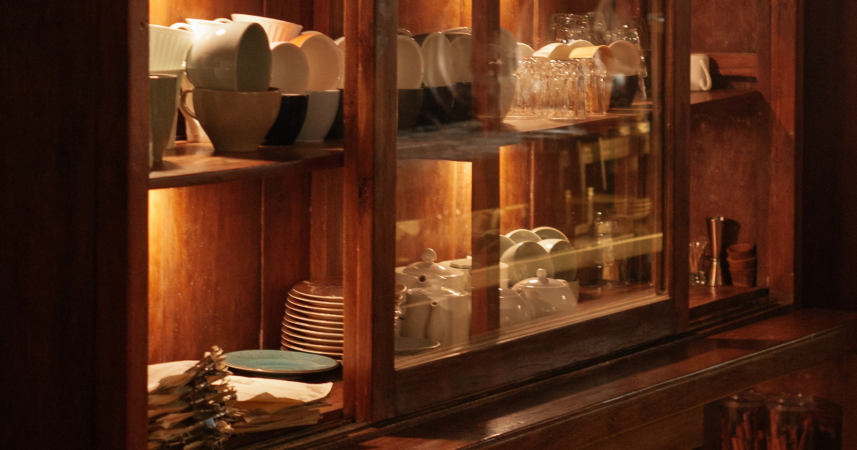
1) China cabinets full of “good dishes”
Did your family have plates that were too special to use?
I remember being told, “Those are for company,” as if a mysterious group of guests would arrive someday who were worthy of the good stuff.
That day rarely came.
For many Boomers, fine china was seen as a marker of having made it.
You bought a full matching set.
You displayed it behind glass.
You protected it like an heirloom.
Fast forward to now, and thrift stores are overflowing with these sets.
Younger generations are downsizing, moving often, and prioritizing functionality.
Heavy, fragile dishware that can’t go in the dishwasher just doesn’t fit modern life.
What strikes me is how this reflects delayed enjoyment.
So many people waited for a future moment that never arrived.
The lesson here is simple but powerful: use the good things now.
Life doesn’t hand out bonus points for preservation.
2) Solid wood entertainment centers built for tube TVs
These things were massive.
Back when TVs were deep, heavy boxes, it made sense to buy a piece of furniture that could hold them.
Entertainment centers were marketed as long-term investments.
Real wood. Custom shelves. Built to last.
The problem is, technology moved faster than furniture ever could.
Flat screens made these units obsolete almost overnight.
Today, they’re awkward, oversized, and nearly impossible to give away.
Even secondhand stores often won’t take them.
This is a perfect example of confusing durability with adaptability.
Something can be well-made and still completely impractical.
It’s a reminder that flexibility often outperforms permanence, especially in a fast-changing world.
3) Collectible figurines and decorative plates
Ah yes, collectibles.
Hummel figurines. Limited-edition plates. Porcelain dolls with haunting eyes.
All marketed with the same promise: this will be worth something someday.
I’ve seen entire shelves devoted to these items, each one carefully dusted and mentally appraised.
And yet, when it comes time to sell, there’s often no market.
Why? Because value only exists if someone else wants the thing.
And tastes change.
What’s interesting psychologically is how these purchases gave people a sense of being “in the know.”
Buying early. Holding long-term.
It felt savvy.
But most collectibles aren’t rare.
They were mass-produced and sold with artificial scarcity.
A good reminder to be wary of anything that promises future value without real demand.
4) Timeshares that locked families into obligation
Timeshares were sold as the ultimate smart buy.
Vacation now, save later.
Own a piece of paradise.
In reality, many people found themselves stuck paying maintenance fees for places they no longer wanted to visit.
Selling a timeshare today can be incredibly difficult, sometimes requiring owners to pay just to get out.
This speaks to an optimism bias.
The belief that our future selves will want the same things we want now, year after year.
As someone who’s changed careers, cities, and priorities more than once, I can tell you this: future you is unpredictable.
Flexibility often beats commitment, especially when life circumstances shift.
5) Formal dining room furniture no one uses
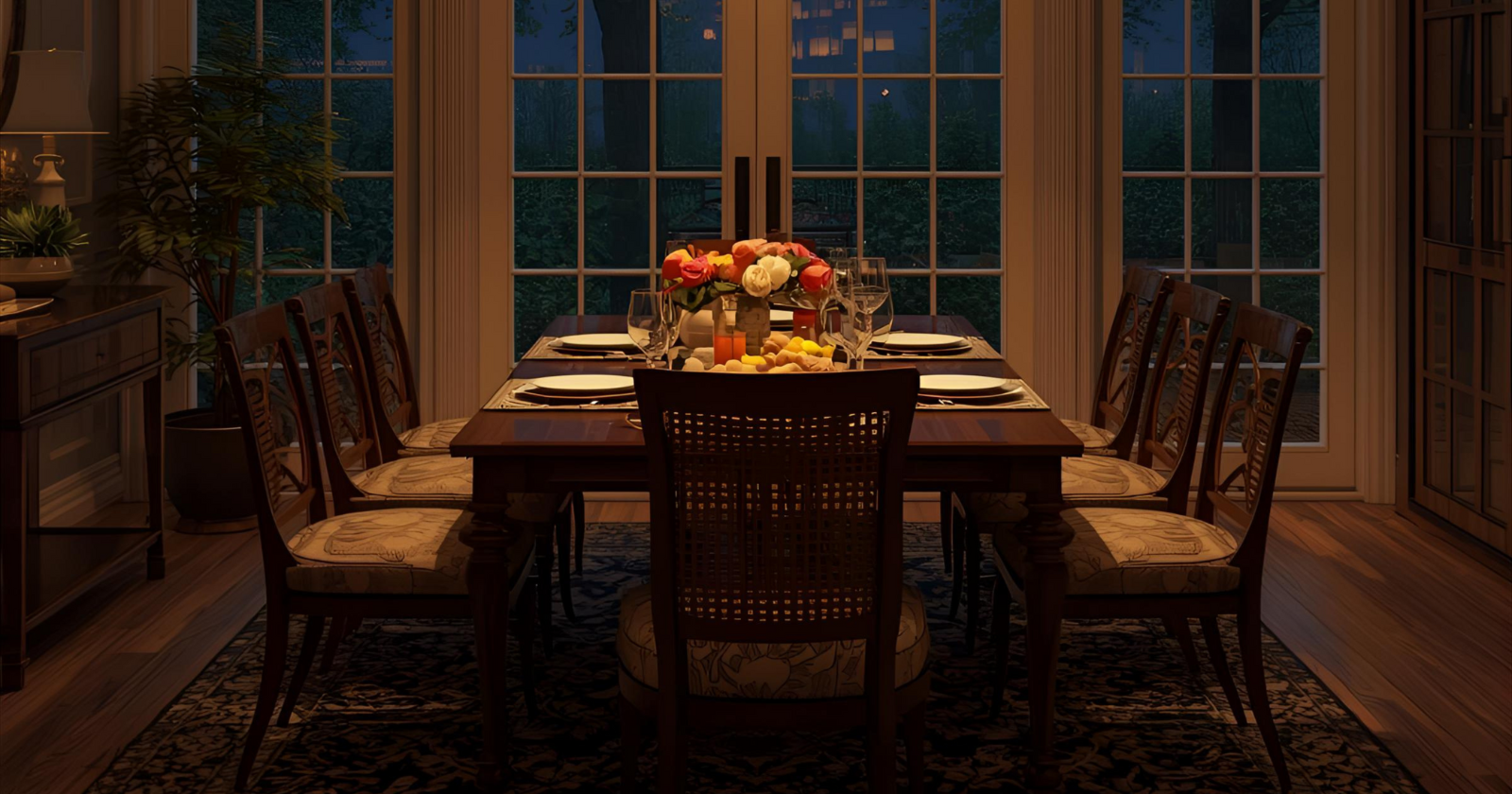 Six chairs. One long table. A matching hutch.
For decades, a formal dining room was seen as essential.
It symbolized family gatherings, holidays, and social standing.
This furniture was built to last generations.
But many modern homes don’t even have formal dining rooms anymore.
People eat at kitchen islands, on couches, or wherever life happens to be.
These sets are now hard to sell because they require space, a specific layout, and a lifestyle that fewer people have.
The deeper takeaway?
We often invest in ideals rather than realities.
The image of who we think we should be can be far more expensive than who we actually are.
6) Physical encyclopedias and reference books
Once upon a time, a full encyclopedia set meant intelligence and preparedness.
Knowledge at your fingertips.
Families spent serious money on these books, convinced they were investing in their children’s education.
Now, all that information lives online, updated in real time, searchable in seconds.
Those heavy volumes sit unused, outdated, and unwanted.
This one feels especially symbolic.
It shows how quickly knowledge systems evolve.
It also reminds us that access matters more than ownership.
You don’t need to possess something to benefit from it.
7) Vintage exercise equipment bought with good intentions
Stationary bikes. Ab rollers. Treadmills turned coat racks.
These purchases were often fueled by motivation and hope.
A belief that buying the equipment would create the habit.
But motivation fades.
And bulky equipment becomes clutter.
Secondhand markets are flooded with barely used machines that once represented a commitment to health.
As someone who runs trails and gardens for movement, I’ve learned that consistency beats gear every time.
Behavior change comes from identity shifts, not purchases.
8) Large suburban homes treated like guaranteed wealth builders
This one’s trickier, because housing can be an investment.
But many Boomers were sold a very specific story: buy bigger, move farther out, and your home will always increase in value.
For some, that worked.
For others, maintenance costs, changing markets, and shifting demographics have made these homes harder to sell.
Younger buyers often want walkability, smaller spaces, and lower upkeep.
Big homes with formal layouts don’t always match those preferences.
This highlights a broader theme: investments tied to one lifestyle assumption can become liabilities when culture changes.
Final thoughts
I don’t share all this to mock or criticize.
Most of these purchases made perfect sense at the time.
They were shaped by the economic conditions, marketing messages, and social values of a different era.
What matters now is what we learn from them.
Value isn’t fixed. It’s contextual.
And the things we cling to often say more about our fears and hopes than our financial savvy.
If there’s one takeaway here, it’s this: question the stories behind your purchases.
Ask yourself who you’re really buying for.
Your future self? Your image? Your sense of security?
And maybe, just maybe, use the good plates tonight.