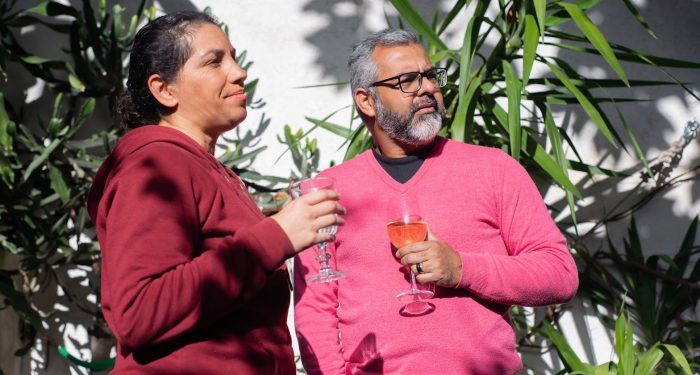
If you’ve ever caught yourself wanting the latest, flashiest thing, don’t judge yourself for it. We all crave belonging, and society constantly sells us the idea that worth can be bought.

Add VegOut to your Google News feed. 
I once worked with an executive who wore the same simple black watch every day.
It wasn’t a luxury brand, and it didn’t scream for attention. Yet, it suited him perfectly. One day, someone asked why he didn’t buy a Rolex, and his answer stuck with me:
“I don’t need my wrist to convince anyone I’m successful.”
That moment taught me something important. Real wealth rarely shouts. It doesn’t need to prove itself through possessions. In fact, some of the “luxuries” we associate with success can quietly reveal something else: an insecurity about status, image, or self-worth.
Here are seven “expensive” items the truly rich often avoid, and what that choice reveals about confidence and emotional intelligence.
1) Flashy designer logos
There’s a difference between quality and branding.
Truly wealthy people tend to value craftsmanship, not logos plastered across their chest. They buy well-made clothes that fit their lifestyle and last for years, but they rarely feel the need to advertise who made them.
This isn’t about disliking fashion. It’s about confidence. When you know who you are, you don’t need a label to do the talking for you.
Psychologists call this symbolic self-completion. It’s when people use external symbols like brand names to signal success or status because they feel insecure about their internal sense of self. The more someone feels the need to prove they belong at a certain level, the louder the symbols tend to get.
If you’ve ever noticed how quietly powerful people dress, that’s not a coincidence. Subtlety signals self-assurance.
2) Luxury cars bought to impress others
There’s nothing wrong with loving cars. But buying one to show others you can afford it? That’s a different story.
Many financially secure people drive practical vehicles. They see cars as tools, not trophies. You’ll often find them behind the wheel of something understated, comfortable, safe, and reliable.
On the other hand, those who attach their worth to what’s parked in their driveway often fall into what psychologists call conspicuous consumption: spending money to broadcast status.
Here’s the irony. The moment you start buying things for social validation, you hand your power to other people’s opinions. That’s not wealth. That’s dependency.
True confidence isn’t measured by the car you drive. It’s reflected in how calmly you can walk past judgment and know you’re still enough.
3) Lavish home décor chosen for show
I once attended a party at a multimillion-dollar house that felt more like a showroom than a home. Every corner was picture-perfect, but there was no warmth. No personal touch. Just expensive furniture arranged for Instagram.
It reminded me that abundance without authenticity feels empty.
People who are secure in themselves decorate for comfort and meaning, not to impress guests. They fill their homes with things that tell a story: art they love, furniture that feels good to live in, plants that bring life into the room.
A psychologist friend of mine once put it this way: “When your sense of worth is external, your environment becomes a stage. When it’s internal, your environment becomes a sanctuary.”
There’s a quiet luxury in walking into a space that feels lived-in, not curated for applause.
4) Tech upgrades for status, not function
We all love good technology, but some people upgrade constantly just to keep up appearances.
The newest phone, the latest smartwatch, the most expensive laptop: they may look impressive, but for those who already feel grounded in their worth, these items lose their emotional charge.
Truly rich people tend to ask a different question before buying: “Does this add value to my life?”
I once met a retired investor who still used a five-year-old phone. He told me, “If it works, it works. I’d rather spend my money on experiences than pixels.”
That mindset captures a key difference between financial success and financial peace. The first wants to show progress. The second quietly lives it.
When you stop chasing validation through upgrades, you realize that contentment is the most valuable upgrade you can ever own.
5) Over-the-top jewelry and accessories
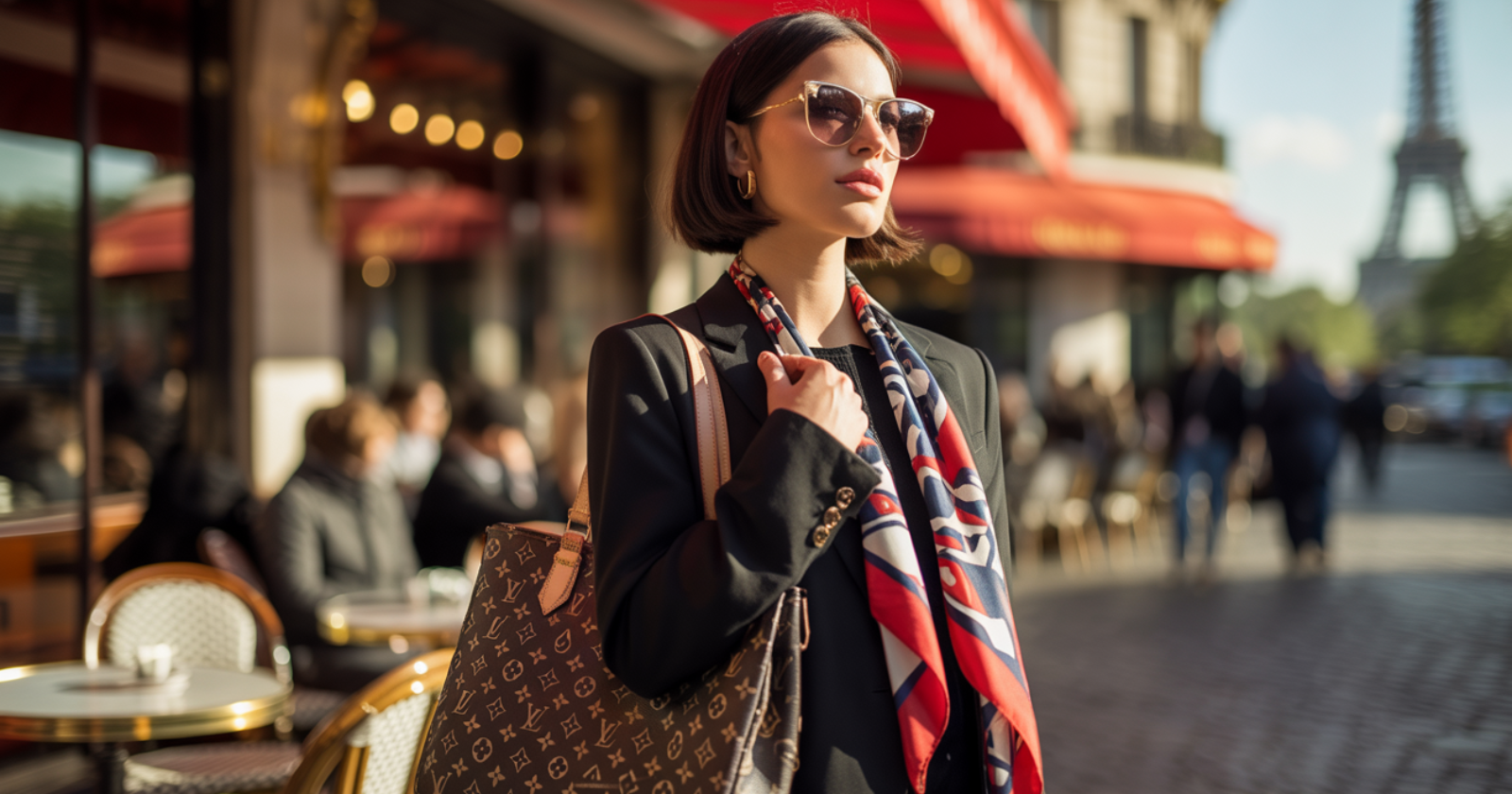
Many of us were taught that success looks like sparkle. But for those who already feel secure in what they have, subtlety becomes more appealing.
It’s not that wealthy people don’t wear nice jewelry. They simply don’t use it as a declaration. They might have one fine piece they wear often: a simple gold band, a modest pair of diamond studs, or a vintage watch with sentimental value.
Excess often signals a desire to compensate. Minimalism, on the other hand, often signals confidence.
People who feel uncertain about their social position are more likely to purchase visible luxury goods. People with stable self-esteem prefer items that hold private meaning rather than public attention.
So if your jewelry box is full of understated, timeless pieces, it probably says more about your inner security than your spending habits ever could.
6) Extravagant vacations designed for show
You’ve seen them on social media: the five-star resorts, the rented yachts, the endless photos captioned “Living my best life.”
There’s nothing wrong with luxury travel, but the intention behind it matters. The truly rich often prefer privacy and authenticity over performance. They travel to connect, not to flaunt.
They might stay in a modest villa tucked in nature, explore local food markets, or take quiet hikes rather than post endless photos. They find meaning in the experience, not in how it looks online.
In psychology, this reflects something called self-determination theory: people who act from intrinsic motivation, like curiosity or joy, feel more fulfilled than those driven by external approval.
The wealthy who travel with intention know that peace is found in presence, not in spectacle.
7) Designer pets and rare breeds
This one might surprise you. In some circles, owning a rare or expensive breed has become a subtle form of status signaling. Yet, many truly wealthy people opt for rescue animals instead.
It’s not about saving money. It’s about values.
People who have developed emotional and financial maturity often reach a point where compassion outweighs image. They no longer need a symbol of exclusivity to feel important.
This trait aligns with what psychologists call self-actualization, the stage where people seek purpose, empathy, and contribution rather than comparison.
Adopting a mixed-breed dog from a shelter says something powerful: you value life, not labels. That’s a kind of richness money can’t buy.
So what do the truly rich value instead?
After years of studying financial behavior and working with people across the economic spectrum, I’ve noticed that real wealth often expresses itself through quiet confidence and intentional simplicity.
The rich who are content within themselves spend on what enhances their life experience, not what inflates their ego. They prioritize:
- Time freedom over luxury.
- Experiences over excess.
- Connection over competition.
In short, they seek value, not validation.
Final thoughts
If you’ve ever caught yourself wanting the latest, flashiest thing, don’t judge yourself for it. We all crave belonging, and society constantly sells us the idea that worth can be bought.
But here’s the truth: no item can make you feel genuinely secure if that security isn’t built from the inside out.
Confidence is quiet. It lives in how you walk into a room, how you treat people, and how comfortably you sit in your own skin.
The next time you’re tempted to buy something just to prove a point, pause and ask yourself: “Who am I really trying to convince?”
If the answer is anyone but yourself, you probably don’t need it.
Because the richest people I’ve met don’t measure success by what they own. They measure it by how lightly they can live, and how free they feel when they no longer need to prove anything at all.
If You Were a Healing Herb, Which Would You Be?
Each herb holds a unique kind of magic — soothing, awakening, grounding, or clarifying.
This 9-question quiz reveals the healing plant that mirrors your energy right now and what it says about your natural rhythm.
✨ Instant results. Deeply insightful.

Avery White
Formerly a financial analyst, Avery translates complex research into clear, informative narratives. Her evidence-based approach provides readers with reliable insights, presented with clarity and warmth. Outside of work, Avery enjoys trail running, gardening, and volunteering at local farmers’ markets.
More Articles by Avery