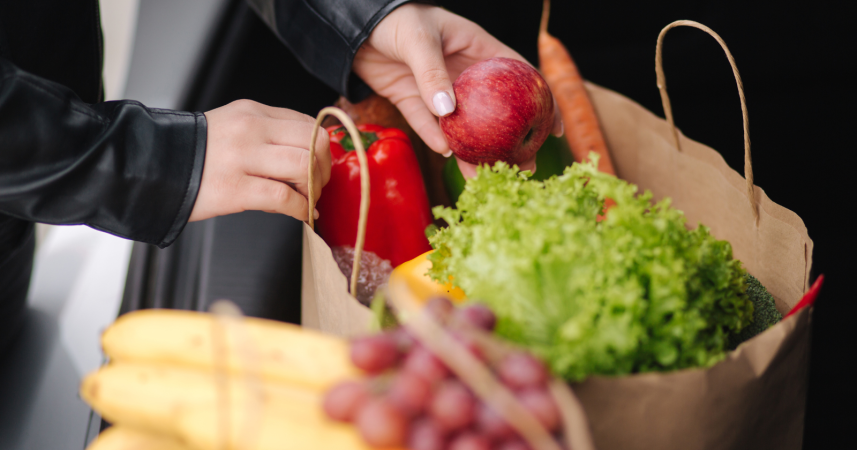
Five years ago, I stood paralyzed in the produce aisle with no idea what to buy, so I created the practical shopping guide I wish someone had handed me.

Add VegOut to your Google News feed. 
When I first decided to go plant-based at 35, I thought my analytical brain would make the transition seamless. I'd spent over a decade in finance, building spreadsheets and forecasting models. How hard could grocery shopping be?
Turns out, very hard. I remember standing in Whole Foods during my first week, overwhelmed by the bulk bins and unfamiliar ingredients, my cart containing nothing but bananas and anxiety.
I didn't know what nutritional yeast was, couldn't tell the difference between types of lentils, and had no clue how to build meals that would actually sustain my running habit. What I needed wasn't another recipe blog. I needed someone to hand me a simple, practical list and say, "Start here."
So that's what I'm offering you today. This is the whole food plant-based grocery list I desperately wished existed when I began this journey.
1. The protein foundation: legumes and their friends
Let's address the protein question right away, because everyone will ask you about it. Research confirms that well-planned plant-based diets provide adequate protein for all life stages, including athletes. But you need to know what to stock.
Your essentials: dried or canned black beans, chickpeas, lentils (red cook fastest, green and brown hold their shape), and cannellini beans. I keep all four in my pantry at all times. Canned versions are perfectly fine and save time on busy weeknights.
Add to this list: firm tofu, tempeh, and edamame. These soy-based proteins became my secret weapons for satisfying post-run meals. Don't overlook split peas either. They make the creamiest soups and cost almost nothing.
2. The whole grains that actually fill you up
One mistake I made early on was relying too heavily on refined carbs. I'd eat pasta and wonder why I was hungry an hour later. Whole grains changed everything.
Stock your pantry with: brown rice, quinoa, rolled oats, farro, and whole grain bread. Quinoa became my weeknight hero because it cooks in 15 minutes and works in everything from breakfast bowls to dinner salads.
Here's a tip I learned through trial and error: cook grains in big batches on Sunday. Store them in the fridge and you've got the base of any meal ready to go. This single habit probably saved my plant-based journey from failing in those first chaotic months.
3. The vegetables that earn their keep
Not all vegetables are created equal when you're trying to build satisfying meals. Some are workhorses that show up for you day after day.
Your weekly staples should include: leafy greens (spinach, kale, or chard), cruciferous vegetables (broccoli, cauliflower, Brussels sprouts), sweet potatoes, carrots, onions, garlic, and bell peppers. These form the backbone of countless dishes and store well throughout the week.
I also recommend keeping frozen vegetables on hand. Frozen peas, corn, and mixed stir-fry vegetables have rescued many last-minute dinners. They're picked at peak ripeness and often more nutritious than "fresh" produce that's traveled thousands of miles.
4. The fruits that balance your plate
Fruit brings natural sweetness and essential nutrients without the need for processed sugars. But which ones deserve regular rotation?
Keep these stocked: bananas (perfect for smoothies and oatmeal), berries (fresh or frozen), apples, citrus fruits, and whatever's seasonal in your area. Frozen berries are a budget-friendly choice that work beautifully in morning smoothies or stirred into overnight oats.
Dried fruits like dates, raisins, and unsweetened cranberries also earn pantry space. Dates became my go-to natural sweetener for homemade energy balls before long runs. Just watch portion sizes since the sugars are concentrated.
5. The nuts, seeds, and healthy fats
This category confused me most as a beginner. Which fats were "good"? How much was too much?
Harvard's nutrition research helped me understand that whole food fats from nuts and seeds support heart health and help absorb fat-soluble vitamins. Your essentials: raw almonds, walnuts, cashews, chia seeds, ground flaxseed, and hemp hearts.
For cooking and dressings, keep extra virgin olive oil and tahini on hand. Nut butters (peanut, almond) round out this category. I spread almond butter on toast almost every morning. It's become a small ritual I genuinely look forward to.
6. The flavor builders you'll reach for constantly
Here's what separates satisfying plant-based meals from bland ones: knowing how to build flavor. These items might seem minor, but they're essential.
Stock your pantry with: nutritional yeast (that cheesy, nutty flavor everyone talks about), low-sodium vegetable broth, tamari or soy sauce, miso paste, apple cider vinegar, and a variety of dried herbs and spices. Cumin, smoked paprika, turmeric, and Italian seasoning cover most cuisines.
Tomato products deserve special mention: canned diced tomatoes, tomato paste, and marinara sauce form the base of countless quick meals. When I'm exhausted after a long run, pasta with marinara and white beans takes ten minutes and hits the spot every time.
7. The plant milks and dairy alternatives
You'll want options here based on your needs. For cooking and baking, unsweetened soy milk works beautifully because of its protein content and neutral flavor. For coffee or cereal, oat milk has become my personal favorite for its creamy texture.
Keep one or two varieties on hand, choosing unsweetened versions when possible. Fortified options provide calcium and vitamin B12, which the National Institutes of Health notes is essential for plant-based eaters to supplement or obtain through fortified foods.
Plain unsweetened plant-based yogurt is another useful staple for parfaits, smoothies, or as a sour cream substitute.
Final thoughts
Looking back at that overwhelmed woman in the grocery store five years ago, I wish I could tell her it gets easier. The unfamiliar becomes familiar. The anxiety fades. Eventually, you stop needing a list at all because these foods become second nature.
Start with this foundation and adjust based on what you actually eat. Notice which items you reach for repeatedly and which languish in the back of your fridge. Your list will evolve as you do.
What matters most isn't perfection. It's simply beginning. So print this list, head to the store, and give yourself permission to figure it out as you go. That's exactly what I did, and somehow, it worked.
If You Were a Healing Herb, Which Would You Be?
Each herb holds a unique kind of magic — soothing, awakening, grounding, or clarifying.
This 9-question quiz reveals the healing plant that mirrors your energy right now and what it says about your natural rhythm.
✨ Instant results. Deeply insightful.

Avery White
Formerly a financial analyst, Avery translates complex research into clear, informative narratives. Her evidence-based approach provides readers with reliable insights, presented with clarity and warmth. Outside of work, Avery enjoys trail running, gardening, and volunteering at local farmers’ markets.
More Articles by Avery