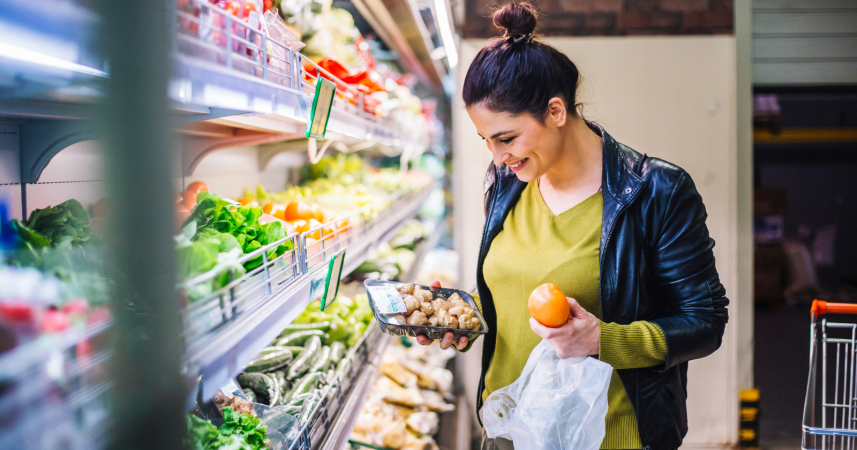
Building your first vegan pantry doesn't require a complete kitchen overhaul, just a thoughtful approach to stocking the essentials that will actually become your everyday staples.

Add VegOut to your Google News feed. 
I still remember standing in the grocery store five years ago, clutching a crumpled list I'd printed from some website, feeling completely overwhelmed.
My cart held three types of plant milk I'd never tried, a block of tofu I had no idea how to cook, and enough nutritional yeast to last a decade. I spent over two hundred dollars that day, and half of it went bad before I figured out what to do with it.
That experience taught me something important: a good vegan grocery list isn't about buying everything at once. It's about building a foundation you'll actually use, week after week, until cooking plant-based meals feels as natural as your old routines once did.
So let me share what I wish someone had told me back then.
Start with what you already know
Here's the thing most vegan grocery guides get wrong: they assume you're starting from scratch. But you're not. You already have foods you love, cooking skills you've developed, and flavor preferences that aren't going anywhere just because you've decided to skip the animal products.
Before adding anything new, think about the plant foods already in your rotation. Rice, pasta, bread, peanut butter, oatmeal, bananas, frozen vegetables. These aren't consolation prizes. They're the backbone of your new way of eating. The goal isn't to replace your entire kitchen but to expand what's already working.
What meals do you already make that are accidentally vegan or nearly there? That's your starting point.
The proteins that earn their shelf space
When I left my finance career, I approached meal planning the way I used to approach portfolio management: diversification matters. You don't want all your protein coming from one source, both for nutritional completeness and because you'll get bored.
Canned beans and lentils are non-negotiable. Black beans, chickpeas, and kidney beans cover most bases and require zero prep. Firm tofu and tempeh belong in your refrigerator once you've learned one or two simple preparations.
And don't overlook the humble bag of dried red lentils, which cook in fifteen minutes and disappear into soups and sauces beautifully.
Research from the Harvard School of Public Health confirms that plant proteins can absolutely meet your nutritional needs when you eat a variety throughout the day. You don't need to combine them at every meal, despite what outdated advice might suggest.
Building blocks for flavor and satisfaction
The difference between a sad vegan meal and one that makes you forget you ever ate differently often comes down to a few key ingredients. Nutritional yeast adds a savory, almost cheesy depth to everything from pasta to popcorn. Tamari or soy sauce brings umami.
A good olive oil and a neutral cooking oil like avocado give you range.
Stock your spice cabinet with cumin, smoked paprika, garlic powder, and Italian seasoning blend. These four will carry you through most cuisines. Add a jar of tahini, some miso paste, and a bottle of your favorite hot sauce, and suddenly you have the tools to make food that actually excites you.
I think of these as my insurance policy against the blandness that makes people quit. What flavors make you feel satisfied after a meal? Build your list around those.
Fresh produce without the waste
My early vegan days involved buying beautiful produce that rotted in my crisper drawer because I had no plan for it. Now I think in terms of longevity and versatility. Carrots, cabbage, onions, and sweet potatoes last for weeks. Leafy greens like kale hold up better than delicate spinach.
Frozen vegetables deserve more respect than they get. Frozen broccoli, peas, and stir-fry mixes are often just as nutritious as fresh and eliminate the pressure to use everything immediately. I keep bags of frozen berries for smoothies and morning oatmeal.
Buy fresh what you'll use within days. Buy frozen what you want available anytime. This simple shift cut my food waste dramatically.
The extras that make it sustainable
Some items feel like luxuries but actually help you stay consistent.
A plant milk you genuinely enjoy in your coffee matters more than you might think. A few convenience items, like veggie burgers or frozen burritos, save you on exhausted weeknights when the alternative might be giving up entirely.
I also keep dark chocolate, good crackers, and hummus on hand. Snacks aren't cheating. They're part of eating like a normal human being.
After years of running trails and maintaining a meditation practice, I've learned that sustainability comes from meeting yourself where you are, not from perfection. Your grocery list should reflect real life, not an idealized version of it.
Final thoughts
Building a vegan pantry is less about following someone else's list and more about developing your own intuition over time. Start simple. Notice what you reach for repeatedly and what languishes unused. Adjust accordingly.
The grocery runs that once overwhelmed me now take twenty minutes. I know my staples, I know what inspires me, and I know that a well-stocked kitchen makes cooking feel like possibility rather than obligation.
Give yourself permission to figure this out gradually. The perfect list is the one you'll actually use.