Eating plant-based on a tight budget taught me more about real nourishment than my years of expensive grocery hauls ever did.

Add VegOut to your Google News feed. 
When I left my finance career at 36, my grocery budget shrank dramatically.
Suddenly, the artisanal cashew cheeses and imported specialty items I'd grown accustomed to felt like relics of another life. I remember standing in the grocery aisle, calculator app open, feeling a strange mix of panic and possibility.
Could I actually maintain my vegan lifestyle on a fraction of what I used to spend?
The answer, I discovered, was not only yes but that eating this way reconnected me to something I'd lost in my years of convenience shopping. Budget constraints forced me to think differently about food, and what emerged was a more grounded, intentional approach to nourishment.
The myth of expensive veganism
There's a persistent narrative that plant-based eating requires deep pockets. And honestly, if you're filling your cart with processed meat alternatives and fancy nut milks, that story holds some truth.
But here's what I've learned: the most affordable foods on the planet are vegan. Beans, rice, lentils, oats, seasonal vegetables, and frozen produce form the backbone of cuisines that have sustained communities for generations.
According to research from The Lancet Planetary Health, plant-based diets can reduce food costs by up to 30% in high-income countries when focused on whole foods. The expensive vegan stereotype comes from marketing, not reality. What would shift if you saw budget cooking not as deprivation but as a return to basics?
Building your pantry foundation
My approach changed when I stopped shopping meal by meal and started thinking in terms of a working pantry. Dried beans, brown rice, rolled oats, flour, and basic spices became my anchors. These ingredients cost pennies per serving and last for months. I buy them in bulk when possible, which cuts costs further.
The key is versatility. A bag of dried chickpeas becomes hummus one day, a curry the next, and roasted snacks by the weekend. Oats transform from breakfast porridge to homemade granola to a base for veggie burgers.
When your pantry works hard, your weekly shopping list shrinks to fresh produce and occasional restocks. This foundation creates freedom rather than limitation.
Fresh produce without the premium
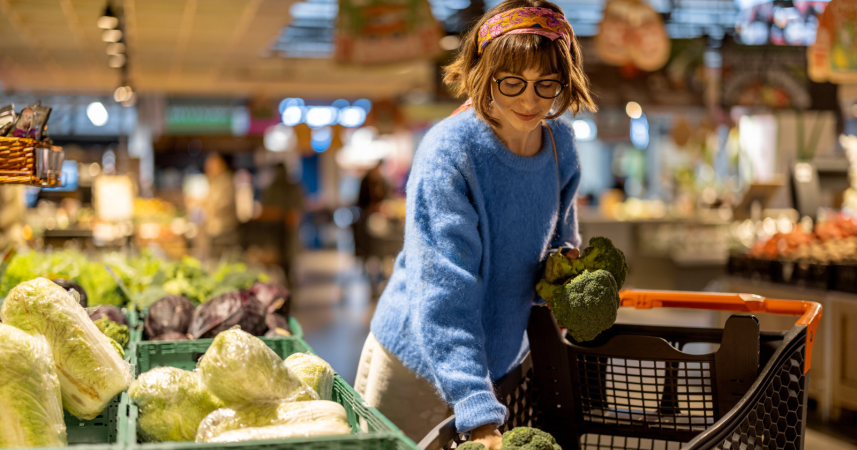
I used to buy whatever vegetables looked appealing, regardless of season or price. Now I shop differently. Seasonal produce costs less because it's abundant, and it tastes better too. In summer, tomatoes and zucchini anchor my meals. Winter brings cabbage, carrots, and hearty greens.
Frozen vegetables deserve more respect than they get. They're picked and frozen at peak ripeness, often more nutritious than "fresh" produce that traveled thousands of miles.
I keep bags of frozen spinach, peas, and mixed vegetables as reliable backups. Farmers markets near closing time often discount what hasn't sold. I've walked away with bags of imperfect but delicious produce for a fraction of grocery store prices.
Protein that doesn't break the bank
The protein question comes up constantly, and I understand the concern. But plant protein is remarkably affordable when you know where to look. Dried lentils cook in 20 minutes without soaking and cost around $2 per pound. That single pound provides roughly 50 grams of protein across multiple meals.
Tofu, when purchased at Asian grocery stores rather than health food sections, often costs half the price. Peanut butter, seeds bought in bulk, and even humble canned beans offer substantial protein without substantial expense.
Harvard's School of Public Health notes that varied plant proteins easily meet nutritional needs. The key is variety across the week, not perfection at every meal.
Strategic shopping habits
My years in finance taught me that small decisions compound over time. The same applies to grocery shopping. I plan meals loosely around what's on sale rather than forcing a rigid menu. I check unit prices, not just sticker prices. I've learned which stores offer better deals on specific items and shop accordingly.
Batch cooking on weekends stretches ingredients further and saves money that might otherwise go to takeout on exhausted weeknights. A big pot of soup, a tray of roasted vegetables, and cooked grains in the fridge mean I'm never starting from zero.
What small shifts in your shopping routine might add up to meaningful savings over months?
Final thoughts
Budget vegan eating taught me that abundance isn't about having everything available.
It's about working creatively with what you have. Some of my most satisfying meals have come from nearly empty fridges and a well-stocked pantry. There's a quiet confidence that builds when you know you can nourish yourself well without excess.
If you're worried that going vegan or staying vegan isn't financially possible, I'd gently challenge that assumption. Start with one budget-friendly meal you genuinely enjoy. Build from there. The path doesn't require perfection or expensive specialty products. It just requires a willingness to return to simple, whole foods and trust that they're enough.
Because they are.