Letting go of my small daily indulgences revealed something I hadn’t expected -- the quiet kind of freedom that comes from simply having enough.

Add VegOut to your Google News feed. 
Minimalism didn’t happen overnight for me. It began quietly, after years of feeling surrounded by too many things that promised comfort but somehow left me restless.
I wouldn’t have called myself a shopaholic, but my spending had a rhythm of its own. Whenever I felt tired, uninspired, or anxious, I found a way to buy something that felt like self-care.
The truth is, it worked… for a while.
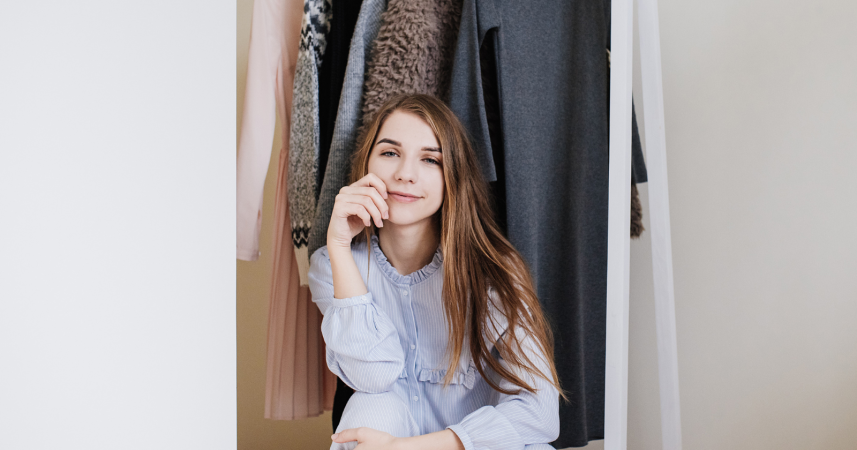
Then one day, as I stood in front of my overflowing closet wondering why I had “nothing to wear,” it clicked. I wasn’t missing anything. I was drowning in choices that didn’t feel like me.
That realization opened the door to a slower, lighter way of living. Here are seven everyday items I used to splurge on before I went minimalist, and what I’ve learned from letting them go.
1. Coffee shop drinks
There was a time when the barista at my neighborhood café greeted me by name and started making my usual before I even reached the counter. That’s how often I went. My daily latte run felt like a tiny ritual of joy, the modern woman’s version of a morning mantra.
Somewhere between the oat milk, the whipped cream, and the extra shot, I convinced myself it was a “treat.”
But when I added up the cost one month, I realized I could’ve funded a weekend getaway, or at least replaced the blender I kept saying was too expensive.
Making coffee at home turned out to be a quiet revelation. I found comfort in grinding beans, heating milk, and sitting by the window with my mug before anyone else woke up.
It became less about caffeine and more about presence. There’s something deeply satisfying about creating that calm moment for yourself instead of buying it. And yes, my latte art still looks like abstract modern art, but I’ll take it.
2. Clothes “for every occasion”
If there was a theme for my twenties and thirties, it might have been “I have a dress for that.”
Work event? New blouse. Weekend brunch? Cute jumpsuit. Random dinner date? Another dress, slightly different shade.
I told myself I was being prepared, that variety meant confidence. In truth, it was indecision disguised as style.
One Saturday afternoon, I decided to pull every piece of clothing out of my closet. It took up half the room. I remember sitting on the floor surrounded by fabric and realizing how many items still had tags.
Minimalism taught me that a smaller wardrobe feels like exhaling. When you know what you love and wear it often, you walk out the door with less noise in your head.
These days, I stick with comfortable, well-made basics that can handle both errands and coffee dates. My closet feels lighter, and so do I.
3. Beauty products
At one point, I had three drawers full of skincare and makeup products.
Each new serum promised “radiance,” each lipstick shade promised confidence. If a YouTuber recommended it, I convinced myself it would change my morning routine and maybe even my mood.
But the excitement faded as fast as the receipt ink.
Eventually, I started asking myself one question before buying anything: “Will I actually use this every day?” That single filter cut my collection down to what fit in a small pouch.
I now have one moisturizer, one sunscreen, one foundation, and a few lip colors that make me feel like me. The rest of my bathroom counter is clear, and surprisingly, that emptiness feels luxurious.
What I learned wasn’t just about products. It was about permission to let go of the belief that we need constant improvement to be presentable. Minimalism, in that sense, became the most honest kind of self-care.
4. Home décor and knickknacks
I used to walk through home stores like I was curating a museum of “coziness.” A vase here, a candle holder there, a decorative tray that served no real purpose.
I thought these pieces made my house feel more “finished.” Instead, I ended up dusting more surfaces than I cared to admit.
When I began decluttering, I noticed something interesting. The fewer decorative items I had, the calmer the space felt.
Suddenly, I could breathe easier in my own home. The walls looked brighter, and the shelves finally displayed pieces that truly meant something to me.
Minimalism helped me shift from decorating to connecting. My home doesn’t need to impress anyone. It just needs to hold peace, laughter, and the people I love.
5. Tech gadgets and accessories
I once had a drawer dedicated entirely to phone chargers, earbuds, and cases. I owned two power banks, three Bluetooth speakers, and a tablet I swore I’d use for reading but actually used twice.
Every new release whispered convenience, and I listened. The excitement of unboxing something shiny never lasted long.
Now, I upgrade my tech only when it stops working. I repair instead of replace, and I’ve learned to appreciate that quiet satisfaction of making things last. A minimalist mindset reminded me that new doesn’t always mean better — it often just means more.
One unexpected bonus: fewer cords and devices mean fewer things to lose. My desk stays clear, my mind stays clear, and my wallet thanks me.
6. Kitchen gadgets
If you’ve ever owned a spiralizer, a mini waffle maker, or a popcorn machine that looked fun on Instagram but ended up in the back of a cupboard, we could probably start a support group.
My kitchen once resembled a gadget graveyard. I loved the idea of cooking, and I thought buying tools would make me better at it.
Spoiler: they didn’t.
The turning point came when I couldn’t fit a new baking dish into my cabinet without removing something else. That’s when I realized my kitchen wasn’t short on storage; it was full of unnecessary stuff.
I pared down to the basics: a good knife, a sturdy pan, and a few tools I use daily. Cooking became simpler and strangely more enjoyable.
These days, when I make pancakes, I do it with one pan, no fancy dispenser, and no guilt. Minimalism didn’t take away my love for cooking. It gave it back.
7. Gifts and souvenirs
This one surprised me the most. For years, I bought gifts out of obligation. Birthdays, holidays, and random “thinking of you” moments all felt incomplete without a wrapped present.
The same went for travel souvenirs. I couldn’t leave a city without buying something to “remember it by.” Ironically, most of those trinkets ended up collecting dust while the memories themselves stayed vivid.
As my mindset shifted, I began to focus on shared experiences instead. I started giving my time instead of things, such as helping a friend move, writing letters, cooking dinner for someone going through a tough week.
And when I travel, I now bring home stories, not souvenirs. A photo or a journal entry holds far more meaning than a fridge magnet ever could.
Minimalism helped me see that generosity doesn’t have to come wrapped in paper. Sometimes, it’s as simple as being fully present.
Final thoughts
Going minimalist didn’t mean cutting out joy or beauty. It meant noticing where those things truly came from. Every item I let go of made room for something else -- peace, space, intention.
When I stopped chasing the thrill of “new,” I started rediscovering contentment in what was already around me. My mornings are quieter, my home feels lighter, and my choices finally reflect who I am rather than what I think I need to be.
If you’ve ever felt weighed down by the things you own, start small. Maybe it’s one drawer, one shelf, or one morning without the coffee run. Sometimes, simplicity isn’t about less. It’s about returning to what matters most.