Everyday purchases reveal more than spending habits — they quietly show how much thought, stress, or ease is built into daily life.

Add VegOut to your Google News feed. 
Money habits are rarely just about numbers. They’re stories we tell ourselves about comfort, security, and what “normal” looks like.
What feels like an everyday expense for one person can feel like a luxury for another. And you see that contrast most clearly between upper middle class households and everyone else.
This isn’t about blame. It’s about awareness. Because when we pause to notice the differences, we see how much of daily life runs on invisible privilege — or invisible calculation.
Here are ten purchases that upper middle class people often make without a second thought, while others pause, weigh, and sometimes go without.
1. Dining out
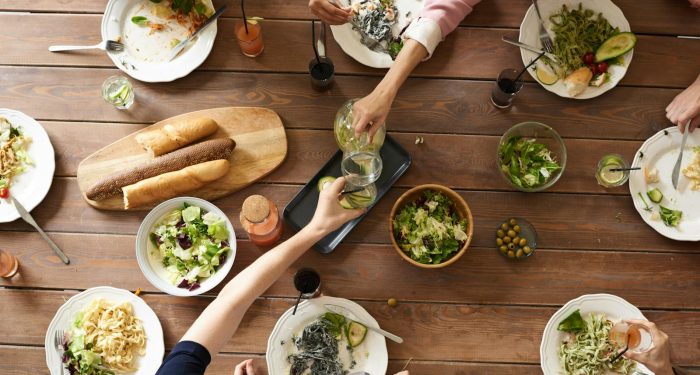
For many upper middle class households, grabbing sushi after work or ordering Thai takeout midweek feels as normal as cooking at home. It’s framed as convenience: you’re busy, you’re tired, so you outsource dinner.
But for families with less wiggle room, a $40–60 dinner bill can knock the budget sideways. Dining out isn’t routine; it’s a planned treat. That means a birthday pizza, a long-awaited date night, or maybe once-a-month indulgence.
I noticed this contrast when I was in college. A friend of mine, from an upper middle class family, would suggest “just ordering something” after a late study session.
For her, it was casual. For me, even splitting a $20 order was a decision that meant adjusting my grocery list for the week. Same restaurant, same food — two completely different calculations running in the background.
It’s not about the food itself. It’s about the level of thought attached to it. One group buys dinner; the other is buying permission.
2. Ride-hailing services
Tapping Uber or Lyft has become almost frictionless. For upper middle class households, it’s simply part of the toolkit: too late for the bus, raining outside, or don’t feel like circling for parking? Just order a car.
For others, the cost of one Uber can equal a week’s worth of bus rides. That makes the decision weighty.
Ride-hailing becomes something you use sparingly: maybe after midnight when buses stop running, or when you’re carrying something too heavy for public transit.
The invisible privilege here isn’t about owning the app — everyone can download it. It’s about whether you feel the financial pinch every time you click “confirm ride.”
3. Streaming subscriptions
Netflix, Hulu, Disney+, Max, Apple TV, Spotify — in upper middle class households, these often pile up like grocery staples.
Each subscription is another $10–15 a month, but because it fits within a comfortable budget, it doesn’t feel like a decision. It’s just background noise on the credit card bill.
Elsewhere, even one subscription can feel like a luxury. You choose carefully: maybe Netflix this month, Hulu the next, or you split passwords among friends. Entertainment isn’t “stacked”; it’s curated.
Elsewhere, streaming is approached strategically. Maybe you rotate subscriptions month by month, or share accounts with friends to make it affordable. Entertainment is carefully curated rather than endlessly available.
4. Fitness memberships
Upper middle class households often treat boutique fitness as self-care. A $150/month yoga studio, a Peloton subscription, or a well-stocked gym membership isn’t an indulgence — it’s maintenance.
The logic is: “Health is worth it.”
For lower middle class people, though, a $50 gym fee competes directly with groceries or gas.
Fitness becomes DIY: YouTube workouts, long walks, secondhand dumbbells in the garage. Movement still happens, but it’s patched together rather than purchased.
The difference here is in how health is framed. For one group, it’s an investment supported by money. For the other, it’s a commitment supported by resourcefulness.
5. Branded coffee and snacks
Stopping for a latte and muffin before work might barely register as spending in some households — just part of the daily rhythm.
In other homes, that same $7–10 is enough to make people pause and brew coffee at home instead. What looks like a regular mood boost to one person feels like an indulgence to someone else.
I’ve lived on both sides. Early in my career, every coffee came from my kitchen because every dollar counted. Later, when I got a raise, I started buying lattes without thinking.
It wasn’t until I looked at my bank statement and saw $120 on coffee that I realized how easily something that once felt like a splurge had slipped into “just what I do.”
6. Home services
Hiring a cleaner every two weeks, paying for lawn care, or ordering grocery delivery is standard for many upper middle class households.
The decision isn’t about money; it’s about time. You’re essentially outsourcing chores so you can spend your hours elsewhere.
For households without extra funds, outsourcing isn’t an option. Cleaning, mowing, hauling groceries — it’s all part of the weekly grind. Even if you’d love the extra time, the trade-off is too expensive.
The privilege here isn’t just about comfort. It’s about choice: having the option to decide whether your Saturday morning goes to scrubbing floors or relaxing with family.
7. Technology upgrades
A new phone every two years, the latest laptop for work, noise-cancelling headphones when the old ones break — for upper middle class households, these are expected expenses. Out with the old, in with the new.
In contrast, many people nurse devices for as long as they’ll function. A cracked screen gets taped, a sluggish laptop gets coaxed into one more year.
The extra hours spent waiting for things to load or troubleshooting bugs are the invisible costs that don’t show up on a receipt.
I remember holding onto my first laptop for almost nine years. By the end, it took ten minutes just to boot up.
Meanwhile, a colleague from a wealthier family upgraded twice in that time, always with a machine that worked smoothly. Same task — writing papers — but I spent hours battling glitches that he never had to think about.
Technology isn’t just convenience; it’s time saved. And the hidden privilege is having your tools always work at full capacity.
8. Travel and vacations
Weekend getaways, family trips, even international travel are routine for upper middle class households.
They’re seen as part of life’s enrichment, not something extraordinary. A long weekend trip might be booked on a whim, without months of planning.
But not everyone gets to treat rest and novelty that way. Vacations require saving, planning, or sometimes sacrificing other needs.
A “cheap” weekend away might represent a car payment or two weeks of groceries. And in plenty of homes, leisure travel simply doesn’t happen — time off gets spent at home or visiting relatives.
9. Kids’ activities
For upper middle class parents, paying for piano lessons, club soccer, or after-school programs is considered non-negotiable. It’s framed as investment in a child’s growth. The checks get written without much debate.
For families with tighter budgets, those same activities require sacrifice.
One semester of lessons might mean no family outings, or a sports league might require cutting corners elsewhere. Kids often end up with fewer extracurriculars, not because of interest or talent, but because of what’s possible.
The difference here echoes across a lifetime. One group grows up with structured hobbies, coaching, and practice; the other has to rely on free play and creativity at home. Both can thrive — but the opportunities aren’t equal.
10. Health and wellness extras
Preventive care like therapy, dental cleanings, or regular specialist visits are routine for upper middle class households. They’re seen as basics, on par with groceries or utilities.
In many families, though, those same services are harder to reach.
Therapy might cost as much as a utility bill. Dental visits get pushed back until there’s pain.
Preventive care turns into reactive care — not because people don’t value their health, but because the numbers simply don’t add up.
It comes down to access. One family can book appointments as part of routine life, while another waits and worries until a crisis makes the choice for them.
Final words
These ten purchases reveal more than spending habits. They reveal how privilege hides in the everyday.
Upper middle class households don’t just have more money. They have fewer calculations. Decisions that others weigh heavily — Do I eat out? Can I upgrade my phone? Should I delay the dentist? — barely register.
For those outside that bracket, life is lived with constant mental math. Every purchase is a choice with ripple effects.
Noticing these differences doesn’t mean blaming anyone for what they can afford. It means recognizing the invisible work happening in the background of daily life.
Because once you see it, empathy comes more easily — and conversations about money, opportunity, and fairness get more real.
What’s Your Plant-Powered Archetype?
Ever wonder what your everyday habits say about your deeper purpose—and how they ripple out to impact the planet?
This 90-second quiz reveals the plant-powered role you’re here to play, and the tiny shift that makes it even more powerful.
12 fun questions. Instant results. Surprisingly accurate.