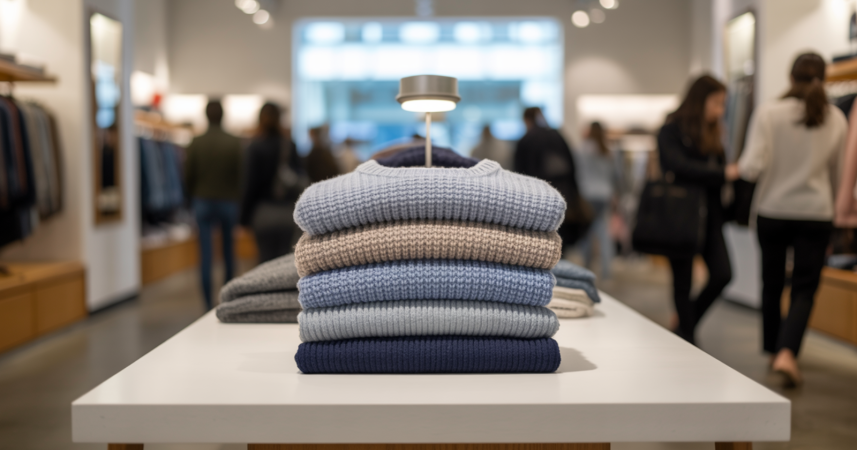
These stores aren’t just places to pick up clothes—they’re mirrors reflecting the values and realities of the middle class.

Add VegOut to your Google News feed. 
1. Target
Target has mastered the art of making affordable clothing feel trendy without looking cheap.
Their house brands offer that perfect middle ground between Walmart's rock-bottom prices and department store markup. You're getting decent quality without the guilt of overspending or the embarrassment of obvious budget shopping.
I've watched friends justify entire Target hauls because "everything was under $20!" It's aspirational shopping that doesn't require trust fund money—exactly what middle-class budgets crave.
2. Uniqlo
Remember when Gap was the go-to for basic, well-made essentials? Well, Uniqlo has claimed that throne for today's middle class.
There's something almost ritualistic about browsing Uniqlo's perfectly folded stacks of Heattech undershirts and AIRism basics. You're not just buying clothes—you're investing in Japanese innovation at a reasonable price point.
What makes Uniqlo so appealing to middle-class shoppers is its promise of quality without pretension. A $30 cashmere sweater? Yes, please. Pants that actually fit and last more than a season? Sign me up.
I remember my first Uniqlo experience, marveling at how their simple white t-shirt felt so much better than anything I'd bought elsewhere for the same price.
It's that sweet spot where functionality meets affordability—no flashy logos, just solid basics that make you feel put-together without breaking the bank.
3. Muji
There's something deeply satisfying about walking into a Muji store—the clean lines, the neutral colors, the promise that you too can live that perfectly curated, clutter-free life.
Muji has become the retail embodiment of middle-class values: quality, simplicity, and conscious consumption. You're not just buying a $40 organic cotton shirt; you're buying into a lifestyle philosophy that says you're thoughtful about your choices.
The beauty of Muji lies in its ability to make minimalism accessible. Sure, you could spend thousands creating a capsule wardrobe with high-end designers, but why would you when Muji offers the same aesthetic at a fraction of the cost?
I've noticed that Muji shoppers tend to justify their purchases by talking about "investment pieces" and "timeless design." And honestly? They're not wrong. That simple black sweater will look the same five years from now—assuming it lasts that long, which it usually does.
It's aspirational minimalism for people with mortgages and car payments.
4. Old Navy
Let's be honest—you might not broadcast your Old Navy shopping trips on social media, but that store has probably saved your wardrobe budget more times than you can count.
There's something almost secretive about middle-class Old Navy shopping. You slip in for "just a few basics" and emerge with armfuls of $30 jeans and graphic tees that look surprisingly good for the price. It's fast fashion that doesn't feel completely shameful.
The real middle-class move is mixing Old Navy pieces with your "nicer" clothes. Nobody needs to know that blazer came from Banana Republic but the top underneath was $8 from Old Navy. It's strategic shopping disguised as spontaneous purchases.
5. J.Crew
If Target is casual comfort and Uniqlo is functional basics, then J.Crew is the middle class’s version of “dressed up, but not too much.”
You know you’re in middle-class territory when you start browsing J.Crew for work clothes or wedding guest outfits, telling yourself it’s “affordable luxury.”
Their secret sauce? They make preppy, slightly aspirational fashion feel within reach. A suit that looks like it belongs in a boardroom but costs under $500? That’s catnip for middle-class shoppers who want to look polished without entering credit card regret territory.
I’ve noticed J.Crew loyalists often justify their purchases with phrases like, “It’s investment dressing” or “This will last me years.” And honestly, they’re not wrong. J.Crew has built a reputation on timeless, versatile pieces that slot seamlessly into professional and casual wardrobes alike.
At its core, shopping at J.Crew says: you’re striving for upward mobility, but you’re doing it smartly—blending classic style with a price point that feels responsible. It’s middle-class aspiration stitched into every button-down.
Final thoughts
At the end of the day, these stores aren’t just places to pick up clothes—they’re mirrors reflecting the values and realities of the middle class.
Affordable but stylish, practical yet a little aspirational. Whether it’s Target, Uniqlo, Muji, Old Navy, or J.Crew, our shopping habits quietly reveal who we are and what we prioritize.
What's your go-to?
If You Were a Healing Herb, Which Would You Be?
Each herb holds a unique kind of magic — soothing, awakening, grounding, or clarifying.
This 9-question quiz reveals the healing plant that mirrors your energy right now and what it says about your natural rhythm.
✨ Instant results. Deeply insightful.

Avery White
Formerly a financial analyst, Avery translates complex research into clear, informative narratives. Her evidence-based approach provides readers with reliable insights, presented with clarity and warmth. Outside of work, Avery enjoys trail running, gardening, and volunteering at local farmers’ markets.
More Articles by Avery