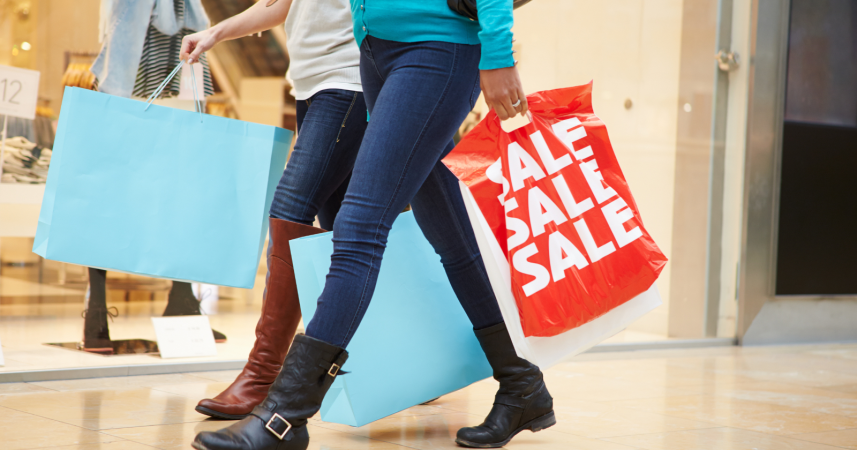
The stores you shop at regularly say more about your economic class than you might realize.

Add VegOut to your Google News feed. 
I was talking with a colleague during my finance days about where we bought groceries.
She mentioned Whole Foods like it was obvious, while I was still shopping at regular supermarkets and feeling slightly fancy when I went to Trader Joe's.
That conversation made me realize how much our regular shopping destinations signal our economic position.
Not where we go for special occasions, but where we default to for everyday purchases.
Middle-class shopping patterns occupy this interesting space. You're not shopping at dollar stores or the cheapest options, but you're also not casually browsing luxury retailers.
You're looking for the sweet spot between quality and value, between treating yourself and being responsible.
These aren't judgment calls about where anyone should shop. They're observations about the stores that have become default destinations for solidly middle-class Americans trying to maintain a comfortable lifestyle without overspending.
If these eight stores are where you regularly end up, you're probably solidly middle-class whether you think of yourself that way or not.
1) Target
Target has become the unofficial headquarters of middle-class shopping. It's nicer than Walmart, cheaper than specialty stores, and somehow makes you feel like you're treating yourself even when you're buying toilet paper.
Middle-class shoppers love Target because it offers the perception of quality without luxury pricing. You can buy groceries, clothes, home goods, and electronics all in one aesthetically pleasing space that doesn't feel like a warehouse.
The Target aesthetic is carefully calibrated for middle-class sensibilities. Clean, organized, with designer collaborations that make you feel stylish without actually spending designer money. It's aspirational accessibility.
I spent my twenties thinking Target was just a normal store everyone shopped at. Then I realized working-class people often find it overpriced while upper-middle-class people rarely shop there at all. It occupies a very specific economic middle ground.
The fact that "Target run" has become shorthand for spending more than you intended on things you didn't know you needed is very middle-class. You go for paper towels and leave with decorative pillows and a new water bottle because they were cute and not unreasonably expensive.
2) Trader Joe's
Trader Joe's is beloved by the middle-class for making organic and specialty foods feel affordable. It's cheaper than Whole Foods but more interesting than regular supermarkets.
The store offers the perception of healthy, ethical consumption at prices that won't destroy your budget. Middle-class shoppers appreciate being able to buy organic produce and interesting prepared foods without feeling financially irresponsible.
What makes Trader Joe's distinctly middle-class is how it balances quality perception with actual affordability. The products feel special and curated, but the prices remain accessible to people shopping on a budget.
During my transition out of finance, Trader Joe's was one of the few places where I felt like I could still shop like I used to without dramatically increasing my grocery bill. That balance is exactly what middle-class shoppers are looking for.
3) Kohl's
Kohl's is the master of making middle-class shoppers feel like they're getting deals. The constant sales, the Kohl's cash, the coupons stacking on top of clearance prices. Everything is engineered to make you feel financially savvy.
Middle-class families shop at Kohl's for clothes that are nicer than Old Navy but far cheaper than department stores. It's the sweet spot for back-to-school shopping, work clothes, and household items.
The store's entire business model is built around middle-class psychology. You're not just buying a shirt, you're saving $30 on a shirt that was marked up to be marked down. You feel smart and responsible.
I remember my mother's loyalty to Kohl's throughout my childhood. She could outfit our whole family without guilt because she was "saving so much." That combination of quality perception and deal satisfaction is distinctly middle-class shopping behavior.
4) HomeGoods/TJ Maxx/Marshalls
These off-price retailers are middle-class treasure hunts. You never know what you'll find, but you might discover name-brand items at significant discounts.
Middle-class shoppers love the thrill of finding designer brands at reasonable prices. It allows for aspirational purchases without aspirational spending. You can buy the nice kitchen items or brand-name clothes at prices that feel justified.
The treasure hunt aspect also appeals to middle-class values around being smart consumers. You're not just spending money, you're finding deals. You're being strategic and savvy.
I developed a HomeGoods habit in my thirties, always "just browsing" for home décor and somehow leaving with bags of things I didn't know I needed. That's very middle-class behavior—discretionary spending disguised as deal-finding.
5) Costco
Costco membership is a middle-class status symbol disguised as practical shopping. You're buying in bulk because you're responsible and forward-thinking, not because you're wealthy enough to drop hundreds on groceries at once.
Middle-class families love Costco for the perception of value through volume. The annual membership fee signals you're committed to smart shopping. The bulk purchases signal you have enough storage space and upfront capital to save money long-term.
What makes Costco distinctly middle-class is that it requires a certain level of financial stability to access its savings. You need money to save money through bulk buying. Working-class families often can't afford the membership fee or don't have the upfront cash for bulk purchases.
I got my Costco membership as soon as I felt financially stable enough to justify it. That timing wasn't coincidental. It was a marker of having arrived at middle-class stability.
6) Old Navy/Gap
These stores occupy the middle-class clothing sweet spot. Cheaper than J.Crew, nicer than truly budget retailers. Good enough quality for everyday wear without guilt about the price.
Middle-class families rely on Old Navy for kids' clothes that will be outgrown before they wear out. Gap for work basics that look professional enough without investment pricing. It's the practical middle ground.
The constant sales make middle-class shoppers feel smart. You rarely pay full price, so you're always getting a deal even though the full price was probably inflated to begin with.
During my corporate years, Gap was my go-to for work pants and basics. Not expensive enough to feel wasteful, not cheap enough to feel embarrassed. That calculation is very middle-class.
7) Panera Bread
Panera represents middle-class fast casual dining. It's nicer than fast food, cheaper than real restaurants. It feels wholesome and quality-conscious without actually being expensive.
Middle-class people treat Panera as the acceptable version of eating out. It's not cooking at home, but it's not financially irresponsible either. The food feels healthier and more elevated than McDonald's, justifying the higher price.
The atmosphere also matters. Panera feels like a place where middle-class people belong. It's comfortable for laptop work, casual meetings, or family meals without the chaos of truly cheap fast food.
I spent countless hours working from Panera during my career transition, buying soup and bread and feeling like I was treating myself responsibly. That's the Panera sweet spot—indulgence that feels justified.
8) Best Buy
Best Buy is where middle-class families go for electronics. Not buying online because you want to see and touch before purchasing. Not going to boutique stores because the prices are prohibitive.
Best Buy occupies the middle ground.
Middle-class shoppers appreciate being able to compare options in person, ask questions, and leave with products immediately. The store validates that your electronics purchases are considered and informed, not impulsive.
The price range at Best Buy also aligns with middle-class budgets. You can find quality products without the luxury pricing of Apple stores or specialty retailers.
Final thoughts
These shopping patterns aren't about judgment. They're about recognizing the specific economic space that middle-class Americans occupy.
You have discretionary income for treats and quality items, but you're conscious about spending. You want to feel smart about your purchases, not wasteful or cheap. These stores have mastered speaking to exactly those values.
The middle-class shopping experience is about balance. Quality without luxury. Deals without feeling desperate. Treating yourself without feeling irresponsible.
If these are your regular destinations, you're navigating that balance successfully. You're solidly middle-class, whether that aligns with how you think of yourself or not.