Find out more on how we grow, one honest purchase at a time.

Add VegOut to your Google News feed. 
We do not like to admit it, but most of us have bought at least one thing more for how it would look to others than for how it would serve our lives.
I have, and I analyze money for a living.
Years ago, when I was still in corporate finance, I bought a sleek leather weekender bag that I imagined would make me look like a woman who jets off to last minute summits.
I used it twice until the zipper stuck, and it lived in my closet until I finally donated it.
The thing I actually used most that year was a beat up canvas tote I took to the farmers’ market.
Why do smart people, people who care about purpose and values, end up buying to impress?
Because status is sneaky as it drifts into our carts as aspiration, as belonging, as “I deserve this.”
The good news is we can still enjoy beautiful, high quality things without letting them run the show.
All it takes is honest reflection and a few simple guardrails.
Here are six categories I see over and over, in client spreadsheets and in my own temptations:
1) Luxury cars and big-ticket vehicles
Do you need 400 horsepower to commute ten miles in traffic, or is there another story at play?
Cars are rolling billboards.
They whisper who we think we are, or who we want to be.
I get the lure: A shiny electric SUV pulls up and you imagine being the kind of person who takes mountain getaways and never forgets to charge overnight.
The image is intoxicating, but look closer: What are you buying, really? Reliability, safety, cargo space, or lower emissions?
You can get many of them without the premium badge.
The premium badge often adds something else, social proof.
A simple test I use with coaching clients: If the logo were removed, would you still want it at the same price? If the answer is no, image is doing more of the steering than you think.
Calculate the lifetime cost per mile, not just the monthly payment.
Include insurance, maintenance, charging or fuel, registration, parking.
That number is like pulling back the curtain.
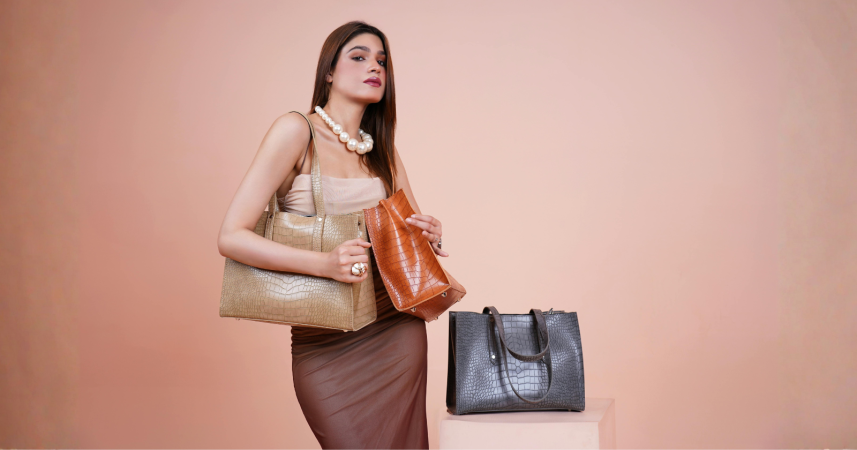
2) Designer bags, sneakers and other loud accessories
“Is this for me or for the mirror?”
I asked myself that in a boutique once, with a handbag that could have covered three months of groceries.
I pictured it on my arm at brunch, and I also pictured the stitches fraying when I stuffed it with trail mix and a paperback on the way to the park.
The fantasy did not survive the second picture.
Accessories with obvious markers, think monograms and signature patterns, can be fun.
They can also become portable billboards that say you belong to a certain club.
If you love fashion as craft, you do not need the loud signal to enjoy it.
Many heritage makers offer quiet pieces with impeccable construction.
Prestige is how others see it, quality is how it is made, utility is how it serves your life.
When you invert that order, closets fill and bank accounts empty.
3) Watches and jewelry as proof of success
I like beautiful objects, and I also like numbers.
From a numbers perspective, expensive watches and jewelry are rarely “investments.”
They can hold value, sometimes, but that is not the same as growing your net worth.
Why do we still reach for them? Symbolism.
A watch says I am punctual and powerful, while a ring says I have arrived.
That symbolism can feel like armor in rooms where we doubt ourselves.
If you want a piece for personal meaning, wonderful; choose one that aligns with your values.
As a vegan, I gravitate toward recycled metals and lab grown stones.
I like knowing the sparkle did not cost an ecosystem.
That alignment turns the purchase into a quiet promise to myself, not a loud performance for others.
Ask this before you click buy: Would I wear it just as often if no one ever noticed it? If the piece still sings, you are on solid ground.
If the fantasy includes a steady stream of compliments, you may be paying for applause.
4) The newest phone, laptop or gadget

“Everyone in my team upgraded,” a client told me, “so I felt behind.”
When we compared specs, his current phone and the new model did the same things he actually used.
The major difference was a slightly better camera and the thrill of unboxing.
Tech has a way of turning wants into urgent needs.
The campaign lands, your feed fills with slick videos, and suddenly your perfectly good device feels shabby.
However, capability is not the same as usefulness.
Ask yourself how you actually use your tools: Do you edit 4K videos on the train, or do you text, email, browse, and take photos of your cat?
Be honest.
Here is a habit that has saved me thousands: I upgrade on a schedule, not a feeling.
For phones, I aim for every three to four years.
For laptops, five to seven.
In between, I care for what I have; I clean ports, install updates, and replace batteries when needed.
If you still want the shiny thing, give yourself a cooling off period.
Put the price of the gadget in a separate savings bucket and wait thirty days.
If the desire stays strong and the purchase matches your actual use, go for it; if it fades, you just paid yourself.
5) Showpiece kitchens, couches and decor
Confession time: I once bought a sculptural chair because I saw it in a design magazine.
It photographed beautifully, but it was also terrible for reading, which is the only thing I use a chair for when I am home.
I kept choosing the old, comfy one in the corner as the pretty chair turned into a very expensive plant stand.
Homes can turn into theaters if we are not careful.
A bar cart that impresses guests, a set of knives worthy of a cooking show, and an outdoor lounge worthy of a resort.
None of this is wrong if you truly use it; the problem shows up when the setup is for company we host twice a year, not for the way we live the other 363 days.
As someone who spends weekends at farmers’ markets, my kitchen investments now flow to what keeps plants fresh.
Good storage containers, sharp mid-range knives I maintain, a blender that can handle frozen fruit, sturdy cutting boards.
Boring? Maybe.
Useful? Absolutely.
When you make your space serve your actual rituals, you naturally spend more time there.
That saves money, and it feeds your nervous system.
6) Experiences bought for the photo, not the memory
I love a good trip, and I also love noticing who I am booking it for.
Is it for wonder, rest, and curiosity, or is it for the post?
Status spending has crawled into experiences.
Think VIP concert seats you barely use because you are filming, bottle service you buy to be seen, or that “it” restaurant where the food is overshadowed by the skyline shot.
Memories are not any richer because they are expensive.
They are richer because you were present.
Trail running taught me that.
The most alive I feel is on a quiet route with a friend, no audience, legs dirty, snacks stuffed in a pocket.
No one claps, and I still glow.
A question I keep on my phone: If I could not share this, would I still choose it?
That one question has saved me from overpriced tours, frantic itineraries, and rooms with a view I was too tired to enjoy.
If you want a test drive, try what I call a “no proof day” on your next outing.
Take the photos you want in the first ten minutes, then put your phone away.
Savor with your senses.
You will be shocked at how much more you notice, and the memory will have edges and color that no filter can capture.
Closing thoughts
If you recognize yourself anywhere in this list, do not beat yourself up.
Smile at the pattern, then tweak the next choice.
That is how we grow, one honest purchase at a time and, if you need a final nudge, try this tiny experiment today.
Open your bank app and scroll the last ten discretionary purchases.
Put a green dot next to the ones that still make you glad, a yellow dot next to the maybes, a red dot next to the ones you bought for the crowd.
Then ask yourself, what one shift would turn the next ten into more green?
That is the fun of this work as you are curating a life that feels like you.
What’s Your Plant-Powered Archetype?
Ever wonder what your everyday habits say about your deeper purpose—and how they ripple out to impact the planet?
This 90-second quiz reveals the plant-powered role you’re here to play, and the tiny shift that makes it even more powerful.
12 fun questions. Instant results. Surprisingly accurate.