If you recognize yourself in any of these pieces, don’t worry. There’s nothing wrong with wanting to present your best self. Most of us are just doing the best we can with the budget we’ve got.

Add VegOut to your Google News feed. 
Let’s be honest for a moment. Most of us have, at some point, bought something because we wanted to look like we were doing a little better than we actually were.
It isn’t vanity. It’s psychology.
Humans have always used clothing as a form of communication. Status. Stability. Belonging. Aspiration. Whether we admit it or not, we read these cues in each other all the time.
Back when I worked as a financial analyst, I saw this pattern up close. People who were earning modest incomes often spent surprisingly large chunks of their budget on a few specific items designed to send a message.
Now, as someone who spends weekends at farmers’ markets and trail running rather than boardrooms, I still see these behaviors everywhere. Just in different clothing categories.
None of this is about shaming anyone. I get it. We all want to feel confident and signal to the world that we are doing okay. But when you look at these choices through a self development lens, it becomes fascinating to see what people choose and why.
Let’s look at nine pieces that often find their way into closets for exactly this reason.
1) Logo heavy sneakers
Let me start with a question. How many times have you seen someone wearing a pair of pristine sneakers that clearly cost more than the rest of their outfit combined?
Sneakers are one of the most accessible status symbols today. They sit right in that sweet spot where luxury meets casual. Add a recognizable logo and suddenly your whole outfit feels elevated.
The psychology behind this is simple. Sneakers become a shortcut for identity. Style. Youthfulness. Buying into a culture.
People may not buy an expensive car, but a pair of trendy sneakers feels like an affordable ticket into a higher tier.
2) Designer inspired handbags
Handbags are another go to item for signaling upward mobility.
I’ve noticed this particularly with women who are trying to subtly shift how they are perceived in professional settings. Even if the bag isn’t truly high end, if it mimics the shape, structure, or energy of a designer brand, it becomes a visual cue.
Some handbags are practically quiet megaphones. They tell the world, “I’m put together.” Even if everything inside the bag is chaotic.
I remember buying my first structured tote during my corporate years. It instantly made me feel sharper and more prepared. And yes, it influenced how people treated me.
3) Watches that look more expensive than they are
A watch is one of the oldest social markers we have.
Even today, when most of us check the time on our phones, a watch communicates stability and success. It also gives the appearance of discipline and maturity.
Many lower income earners choose watches that borrow aesthetic inspiration from luxury brands. Stainless steel straps. Oversized faces. Metallic finishes.
Most people won’t know the difference at first glance, and that’s exactly the point.
4) Branded athleisure
Athleisure is everywhere now. And I’ve noticed an interesting trend while volunteering at my local farmers’ market. People may show up in leggings and sweatshirts, but the logo placement often says more than the outfit itself.
Brands like Lululemon or Outdoor Voices act as social currency. They communicate taste and health and a certain kind of lifestyle. Even if the wearer hasn’t stepped foot in a yoga studio for years.
This is one of the reasons athleisure is such a popular category for perceived status. It blends comfort with aspiration.
And honestly, I understand the appeal. Trail running gear has become my version of professional attire these days.
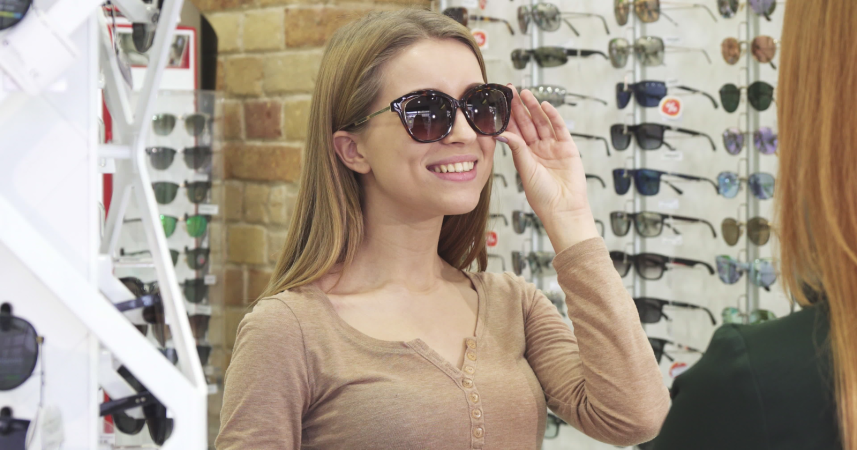
5) Trendy sunglasses
The funny thing about sunglasses is that they can make the simplest outfit look intentional.
People often invest in a pair that mimics luxury shapes. Think oversized frames, bold angles, or subtle metalwork around the lenses.
The psychological pull here is strong because sunglasses hide part of the face. Anything that creates a bit of mystique or confidence tends to feel elevated.
Plus, it’s a lot cheaper to buy a pair of statement sunglasses than a statement wardrobe.
6) Minimalist jewelry with a “wealth aesthetic”
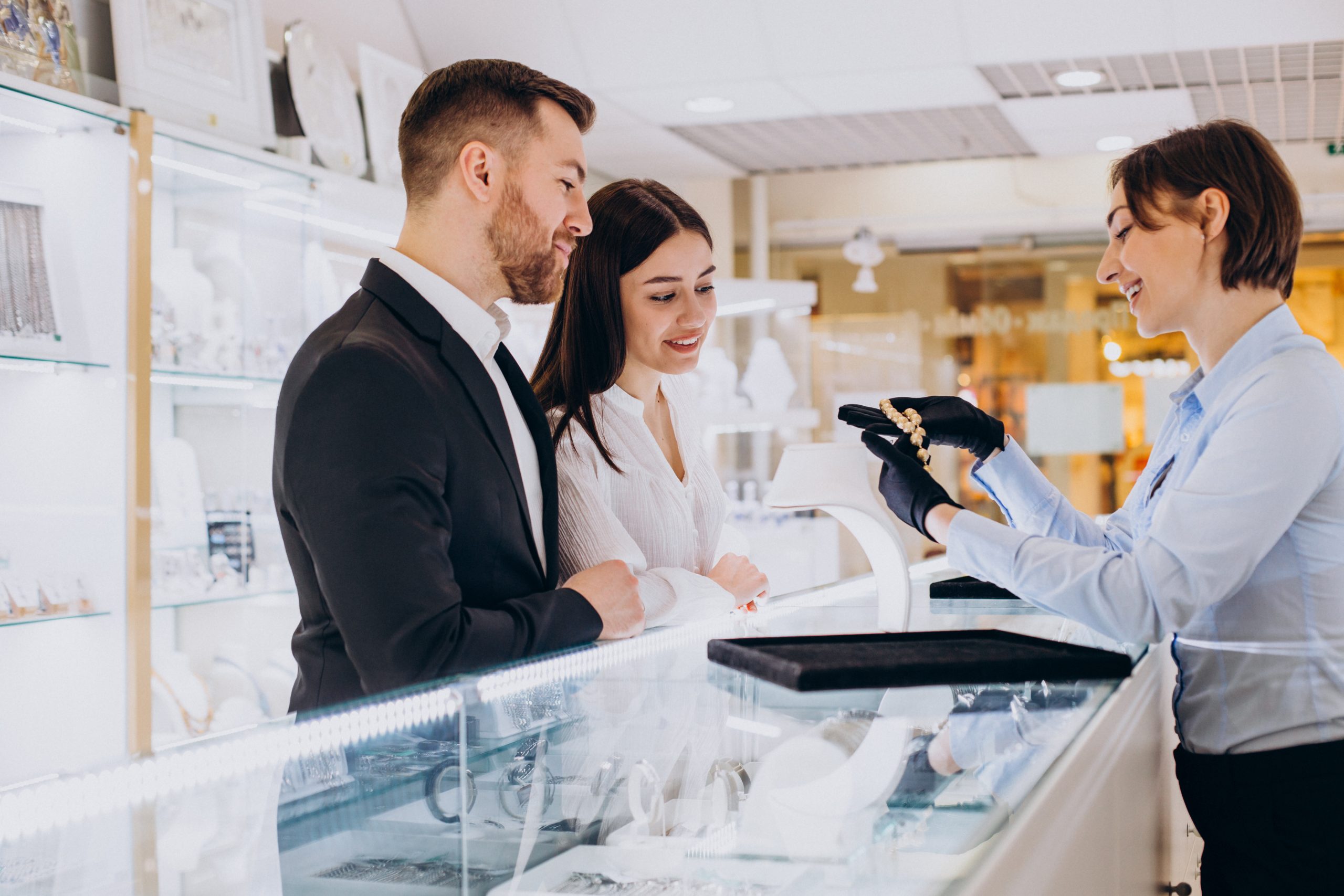
Have you ever noticed how certain types of jewelry instantly signal a higher social tier?
Thin gold chains, delicate stacking rings, simple bracelets with clean lines. They all give off what I like to call the quiet wealth aesthetic.
You don’t need real gold to create the look. Plenty of affordable brands replicate those same minimal designs.
I used to wonder why these pieces were becoming so popular among people trying to shift their social presence upward. Then it clicked. Minimalist jewelry communicates refinement without screaming for attention.
It’s the fashion equivalent of speaking softly but carrying a point.
7) Tailored looking jackets or blazers
Most people underestimate what a structured jacket can do for their entire appearance.
A well fitted blazer creates an illusion of order and professionalism that few other clothing items can match. Even if the blazer is from an affordable brand, the shape alone makes someone look more polished.
When I worked in finance, I could always tell when someone was trying to climb to the next rung based on the blazer they wore to meetings. Shape, not price, does most of the work here.
And this is why it’s such a popular choice for quiet status signaling.
8) Clean white sneakers
Yes, sneakers made this list twice, but for completely different reasons.
There’s a big difference between logo heavy sneakers and classic white ones. White sneakers communicate lifestyle. Cleanliness. Effort. Intention.
You can wear them with almost anything and look instantly more put together.
Whenever I see someone with immaculate white shoes, a part of me thinks, “They’ve got their life together today.”
It’s simple psychology. Clean equals competent in many social contexts.
9) The “statement coat”
This one fascinates me because coats often become identity pieces.
Think wool coats in bold colors, long trench coats, or dramatic silhouettes. They make the wearer appear artistic, wealthy, or stylish, even if the rest of their outfit is plain.
A good coat covers everything underneath, so it becomes the primary visual cue. And for many people, buying one striking outer layer is far more cost effective than upgrading their entire wardrobe.
I had a neighbor once who wore the same basic jeans and tees all winter, but her long camel coat made her look like she was stepping out of a lifestyle magazine.
Sometimes a single piece really does shift the whole perception.
Parting thoughts
Fashion is never just about clothing. It’s about how we want to feel and how we hope to be seen.
If you recognize yourself in any of these pieces, don’t worry. There’s nothing wrong with wanting to present your best self. Most of us are just doing the best we can with the budget we’ve got.
But it’s worth asking yourself a gentle question. Are the choices you make rooted in confidence or in comparison?
Clothing can express who you are, but it can also hide where you feel insecure. Becoming aware of the difference is where the real self development work begins.
And who knows. Maybe the most elevated thing you can wear is the ease that comes from knowing you don’t have anything to prove.
What’s Your Plant-Powered Archetype?
Ever wonder what your everyday habits say about your deeper purpose—and how they ripple out to impact the planet?
This 90-second quiz reveals the plant-powered role you’re here to play, and the tiny shift that makes it even more powerful.
12 fun questions. Instant results. Surprisingly accurate.