At their core, the décor habits you see in upper class homes are about how people relate to time, self respect, and energy.

Add VegOut to your Google News feed. 
Have you ever walked into a room and instantly felt calmer, more grounded, even a little more confident in yourself?
The spaces we live in shape how we think, how we show up, and even how we treat ourselves.
Décor is about identity, self-respect, and long-term thinking.
When I worked as a financial analyst, I noticed something interesting.
The people with real, lasting wealth tended to live in homes that looked quieter.
In fact, looking at how the upper class tends to decorate can be a neat self-development exercise.
It reveals what they value: Stability over noise, quality over show, and story over trend.
Let’s walk through seven choices they often make, and how you can adapt them in your own way:
1) Investing in fewer, better pieces
Have you ever bought a cheap chair that looked great online, only to have it wobbling a few months later?
That is the “fast décor” trap.
It is trendy, it photographs well, and it falls apart when real life happens.
People with money to spare usually flip that script.
They would rather have one solid, comfortable sofa than a room full of flimsy, fashionable furniture.
Think sturdy frames, well made cushions, and materials that feel good against your skin.
Psychologically, this does something important.
Every time you sit down, your body gets the message: “I deserve comfort that lasts.”
That is very different from perching on something that feels like it might collapse under you.
You can apply this even on a tight budget.
Instead of trying to furnish a whole room in one go, you might:
- Save up for one good armchair that supports your back
- Buy a solid secondhand table instead of a new, cheap one
- Choose a plain, well made rug over a super trendy pattern
Quality pieces tend to age well, so they become part of your story.
2) Choosing calm, timeless colors over loud trends
Scroll through décor accounts and you will see a lot of bold walls, neon signs, and high contrast everything.
Fun to look at, yet exhausting to live in.
Upper class homes often lean toward softer, timeless palettes.
Why does this matter for self-development?
Well, because your nervous system clocks it as “stimulation.”
Constant visual noise can subtly keep you in a wired, restless state.
A calmer backdrop supports focus, reflection, and deeper rest.
This means the loudest thing in the room is not your wall color.
You can try:
- Painting walls in a soft neutral and adding color with cushions or blankets
- Keeping big pieces (sofa, bedframe, rugs) in quiet tones
- Letting plants, art, and books bring the personality
Think of your space like a deep breath: Does it help you exhale, or does it yell for attention the second you walk in?
3) Real art and books instead of generic wall décor
You know those mass produced prints and motivational quote signs that pop up everywhere?
They are the fast food of décor: Easy, cheap, and forgettable.
Upper class spaces usually lean on something different.
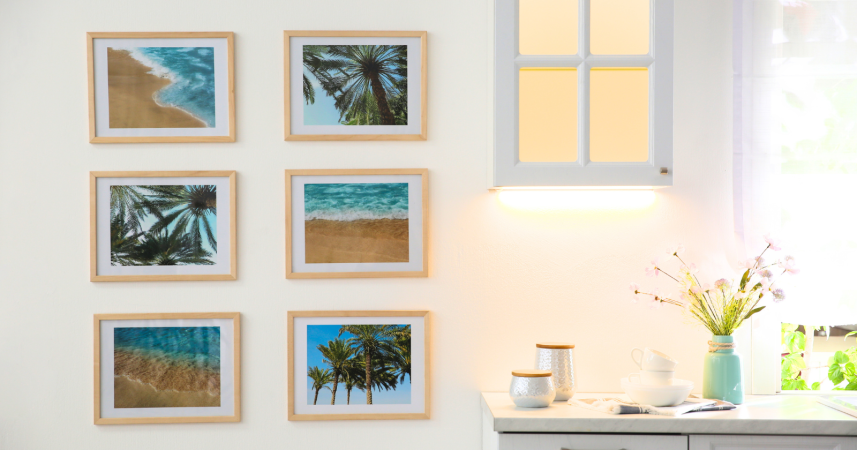
Real art, often collected slowly over time, shelves with books that are actually read, personal photos in simple frames, and objects that hint at the owner’s curiosity, travels, or passions.
This is about having things that mean something.
I think about this a lot when I come home from a long trail run and drop onto the sofa.
My eyes land on a small print I picked up from a local artist at a farmers’ market where I volunteer.
It is not expensive, but it carries a story, a conversation, a shared value around community and food.
Ask yourself:
- Does what you hang on your walls reflect what you care about?
- If someone read the titles on your shelves, would they get a glimpse of your inner world?
- Are you decorating with who you are, or with what the algorithm says is in?
Even one meaningful piece of art can completely change how a room feels.
It reminds you that your life is not generic, so your space does not have to be either.
4) Natural textures over synthetic shine
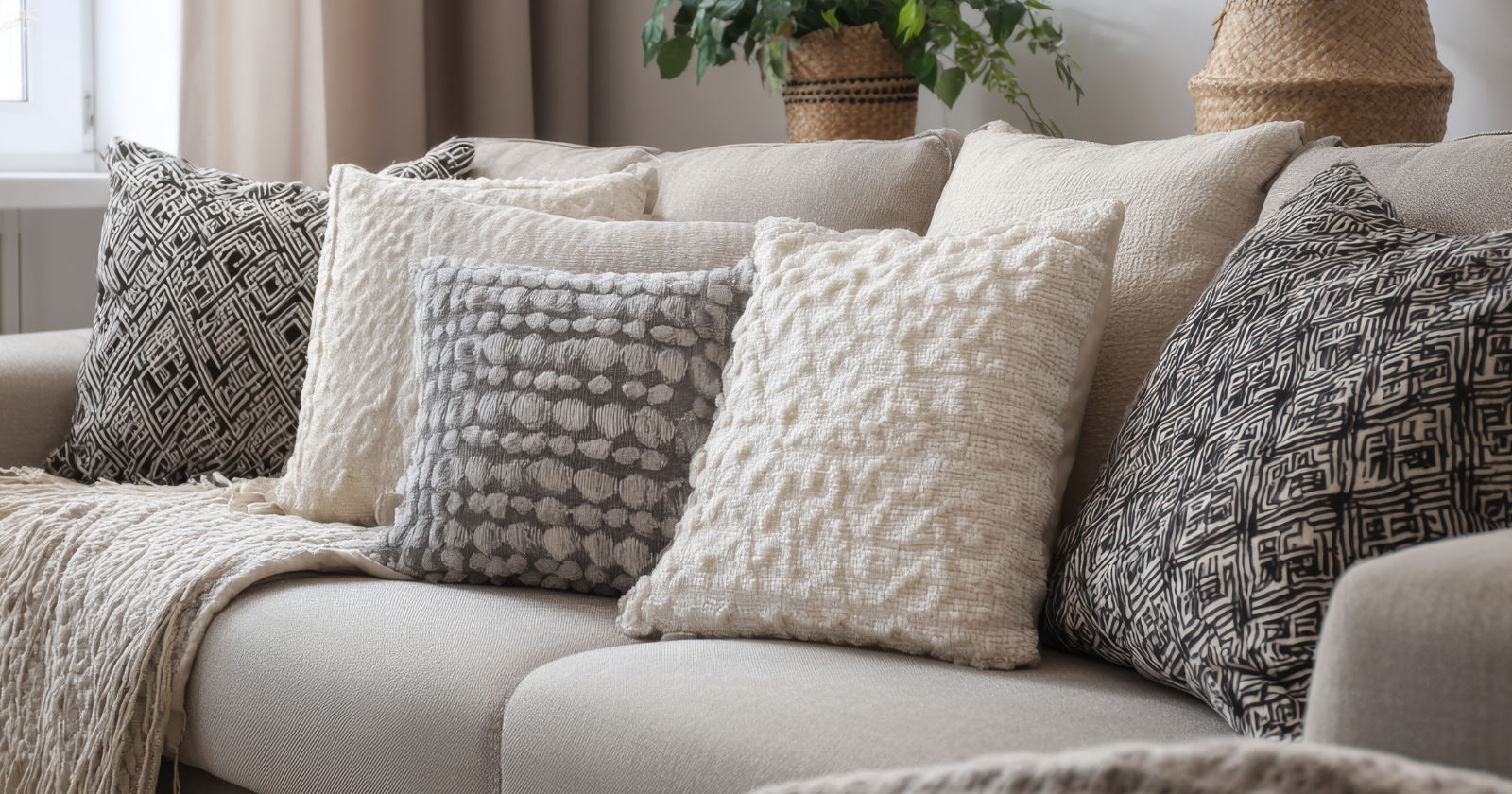
Trendy décor often leans glossy, plastic, and hyper perfect; it looks sleek in photos but can feel oddly cold in person.
In contrast, wealthier homes tend to be full of texture: Linen, cotton, wool alternatives, reclaimed wood, stone, woven baskets, clay—surfaces you want to touch.
They connect us back to the physical world, not just the digital one.
As someone who eats plant based and loves gardening, I am picky about materials because I want a home that feels like an extension of the outdoors.
The deeper lesson here is about honesty: Natural textures show their age.
They get little marks and variations, and they do not pretend to be something they are not.
When your environment mirrors that kind of honest imperfection, it quietly gives you permission to be human too.
5) Warm, layered lighting instead of harsh or gimmicky lights
Have you ever been in a room with only one bright ceiling light blasting from above?
It makes you feel like you are in a waiting room, not a home.
Upper class interiors almost always use layered lighting.
A mix of sources at different heights and strengths: Ceiling lights, floor lamps, table lamps, and maybe a picture light.
The bulbs tend to be warm rather than icy white.
The psychological impact is huge.
Softer, layered light calms your body, makes conversations feel more intimate, and encourages you to slow down.
It can even change how you feel about yourself.
Harsh overhead light is not kind to faces; warm lamps are.
You do not need designer lamps for this.
You can:
- Add one or two soft table lamps to your living room
- Use warm white bulbs instead of cool white
- Put a small lamp on a timer to greet you in the evening
Think of lighting as emotional architecture: It shapes how safe and seen you feel at home.
6) Pieces with history instead of everything matching
Here is a little secret: Many truly wealthy homes do not look like a showroom.
They rarely have everything from one store, bought in one weekend.
Instead, they often mix inherited pieces, travel finds, and items picked up over years.
There might be an old sideboard from a grandparent, a modern lamp, a rug from a small maker, and a stack of mismatched pottery collected slowly.
This creates a lived in, layered look that trends cannot copy.
It also changes how the owner relates to their space.
They are surrounded by reminders of people they love, places they have been, and choices they deliberately made.
The upper class preference here is depth over coordination, that is a powerful self development move.
When your home tells your story, you stop trying so hard to impress people and start trying to express yourself instead.
7) Space to breathe instead of filling every corner
One thing you will notice in a lot of wealthy homes is this: They are not stuffed.
Shelves are not crammed to the edge, surfaces have empty space, corners are left open, and there is room to move, room to think and room for your eyes to rest.
Trendy décor often pushes the opposite.
“Shelf styling” tutorials that leave no gap, “hauls” that add dozens of objects at once, and it can feel like if there is an empty spot, we must fill it.
However, emptiness is a choice.
I often ask clients, “What would it feel like to own less but enjoy it more?”
The answer is usually some version of “lighter” or “freer.”
You can experiment with this:
- Clear one surface and only put back three things you truly love
- Leave one wall mostly blank and hang a single, larger artwork
- Remove one piece of furniture from a crowded room and notice the difference
Negative space is like margin in your life.
Without it, everything feels cramped and urgent; with it, you can breathe.
That might be the most “upper class” feeling of all, and it has nothing to do with your bank balance.
Final thoughts
You do not need a trust fund to make these choices.
At their core, the décor habits you see in upper class homes are about how people relate to time, self respect, and energy.
You can start with a single corner: One lamp, one good chair, one print from a local artist, and one cleared surface that says, “My peace matters more than filling space.”
Your home is the backdrop to your habits, conversations, meals, and mornings.
When you design it with intention, you are quietly reshaping the way you live in your own life.
What’s Your Plant-Powered Archetype?
Ever wonder what your everyday habits say about your deeper purpose—and how they ripple out to impact the planet?
This 90-second quiz reveals the plant-powered role you’re here to play, and the tiny shift that makes it even more powerful.
12 fun questions. Instant results. Surprisingly accurate.