
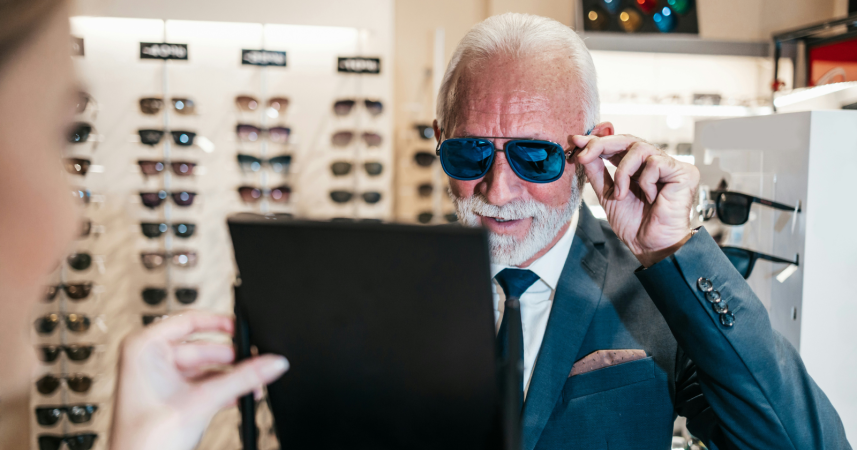
The blue light special used to feel like magic. Now, Gen Z asks a sharper question: would I want this at full price, next week?

Add VegOut to your Google News feed. 
We all have a soft spot for the places that raised us. Think weekend errands with a parent who knew every aisle by heart, the smell of new cardboard, and the fluorescent hum above racks that seemed to go on forever.
Culture moves though, values shift, and the stores that once felt like the center of the universe can start to feel… dated.
This is not about dunking on anyone’s nostalgia, mine included. It is about noticing how our shopping choices mirror our identity, and how each generation rewrites the rules.
As a former financial analyst who still geeks out over business models, I also see a deeper story here. What we reward with our wallets is what grows.
“Every time you spend money, you’re casting a vote for the kind of world you want,” says food advocate Anna Lappé. That lens helps me make sense of why these once-beloved stores do not land the same way with Gen Z.
Let’s walk the aisles together with curiosity, not judgment.
1. Sears: the everything store before everything was online
Boomers loved Sears because it was dependable. You could get a washer, work boots, and a winter coat in one trip. The catalog alone was a rite of passage.
Where it loses Gen Z: clunky layouts, slow pivots to e-commerce, and branding that never quite found a fresh voice. Gen Z wants clean UX, transparent sourcing, and a story. Sears told you what, not why.
Self-growth takeaway: our systems age when we resist iteration. If you have been doing something the same way for twenty years, ask yourself this question: what if the thing that worked is now the thing in the way?
2. Kmart: the blue-light special that dimmed
Kmart’s “blue-light special” felt like a party. Scarcity, sirens, and a crowd sprinting for a deal created a rush long before push notifications existed.
Why it feels cringe now: surprise discounts without substance read as gimmicky. Gen Z equates “special” with ethical, durable, or at least well-designed. A flashing light will not beat a thoughtful product page and honest reviews.
Try this: when you are tempted by a shiny “deal,” pause. Would you still want it at full price a week from now? If not, the blue light is doing the talking.
3. JCPenney: endless racks, few reasons to care
My mom took me to JCPenney for school pictures and practical sweaters. It was safe, budget-friendly, and everywhere.
The Gen Z mismatch: aisles packed with sameness and few signals of identity or mission. Many Gen Z shoppers prize small-batch drops, clear aesthetics, and values-led messaging. They are asking, “What does buying here say about me?” If the answer is “nothing,” they scroll on.
A gentle nudge: when your options feel overwhelming, define your lens first. Fabric, fit, or footprint can narrow the field and calm your mind.
4. RadioShack: the DIY playground that did not evolve
For tinkerers, RadioShack was heaven. Components, cords, and that one adapter you could never name but always needed were all in one place.
The cringe factor: dusty aisles of outdated tech and a failure to translate maker culture into the digital era. Gen Z embraces open-source communities, YouTube builds, and fast-moving innovation. A brand that could not keep pace shifted from curious to tired.
Life lesson: expertise ages if it is not shared in the language of now. Your knowledge stays relevant when you mentor, update, and invite new voices in.
5. Pier 1 Imports: mass-market “global” without the global respect
Boomers furnished living rooms with Pier 1’s bamboo chairs and glass lanterns. The look felt worldly and even aspirational.
What changed: Gen Z is wary of “imported” without context. Who made this? Were they paid fairly? Is this cultural appreciation or something closer to appropriation? A shelf of “ethnic” décor with no story starts to feel like costume jewelry for your house.
Try this at home: before buying décor with cultural motifs, spend five minutes researching the maker or tradition. The item will either mean more, or you will skip it and support a creator directly.
6. Bed Bath & Beyond: the 20 percent off coupon era
That little blue coupon felt like a secret handshake. I used to keep one in my glove compartment like a grown-up security blanket.
Why Gen Z shrugs: a thousand SKUs of the same thing, plastic as far as the eye can see, and a maze that made routine feel exhausting. When your values tilt toward minimalism and sustainability, novelty kitchen gadgets look like future landfill.
Upgrade your defaults: if you love “beyond,” make it about going beyond the impulse. Buy once, buy better, or borrow. Your cabinets and your future self will thank you.
7. The Sharper Image and mall gadget clones: toys for grown-ups, purpose sold separately
Sharper Image and its mall cousins promised a cooler life. Massage chairs, ionic air purifiers, glowing orbs that solved… something. It was adult candy-store energy.
Gen Z’s read: expensive clutter with unclear benefits. “Tech” for tech’s sake feels like a vibe tax. If it does not improve sleep, reduce waste, or truly delight, it becomes a dust collector with a premium price.
A simple rule: any new gadget must replace two older things or meaningfully improve your day. If it does neither, the showroom sparkle is not enough.
8. Payless ShoeSource: cheap now, costly later
Families on a budget relied on Payless. My first pair of “work shoes” came from there, square toe and hopeful.
What shifted: Gen Z talks about cost per wear and labor ethics. Rock-bottom prices trigger questions. Who is paying the difference? If the soles split after a season, the “deal” dissolves.
Financial reframe: amortize your purchases. A 120-dollar pair that lasts four years beats a 40-dollar pair every spring. The analyst in me still nods vigorously.
9. Victoria’s Secret, circa the angel era: glossy fantasy, little inclusivity
For years, this brand sold one narrow vision of “sexy,” and sold it hard. Many boomers saw it as aspirational.
Gen Z’s cringe: airbrushed sameness, exclusion, and marketing that ignored how real bodies and real confidence look. As culture moves toward authenticity and inclusion, old-school fantasy feels brittle.
Reclaim the mirror: ask whether what you wear is an expression or a performance. Feeling like yourself is the hottest trend that never dies.
If you are a boomer reading this, you might be thinking, “But those places were part of my life.” Same here. And that is the point. Stores are more than stores. They are mirrors for the values of their era.
Media theorist Marshall McLuhan famously wrote, “The medium is the message.” Retail is a medium too. The way a store presents itself, from layout and labor practices to aesthetics and tone, tells a story about what matters. When the story changes, the old medium can start to sound like static.
So what do we do with the “cringe”? I do not toss nostalgia. I compost it. I keep what still nourishes me, things like resourcefulness, community, and the thrill of finding exactly what I need. I let the rest turn into wisdom that guides what I support next.
Practical ways to vote with your wallet
- Value-chain check. I look for brands that share where and how items are made. If I cannot find it in two clicks, that is information.
- Cost-per-use math. It is not fancy. I divide the price by expected wears or uses. This simple move calms impulse and rewards quality.
- One in, one out. A new thing comes in, something gets donated or sold. Stuff is energy. Keep it flowing.
- Repair-first mindset. A cobbler, a tailor, or a local fix-it collective can extend the life of what you own. These helpers are my anti-landfill heroes.
Finally, a note on generational finger-pointing. It is easy to label; it is harder to listen. When Gen Z calls something cringe, I translate it as a request: show your values, not just your price tag.
When boomers reminisce, I hear another request: show some respect for how we got here. Both perspectives are fair.
If you are building a brand, leading a team, or simply choosing where to shop, remember a line often attributed to Jeff Bezos. “Your brand is what other people say about you when you are not in the room.”
In 2025, “the room” might be a TikTok stitch, a Discord thread, a resale listing, or a sustainability report. People talk, and they should. It is how markets learn.
Quick self-audit before you buy
- Does this purchase keep faith with my future self?
- Do I know enough about the people and materials behind it?
- Will this help me live the kind of day I want more of?
If the answer is yes, I do not care whether the brand is a zillennial darling or a grandparent classic. What matters is alignment. Trends pass. A grounded life, one that is thoughtful, values-led, and generous to our planet, outlasts the mall.
And if you still have a soft spot for a blue light, that is okay. Keep the memory and update the method. That is growth.
What’s Your Plant-Powered Archetype?
Ever wonder what your everyday habits say about your deeper purpose—and how they ripple out to impact the planet?
This 90-second quiz reveals the plant-powered role you’re here to play, and the tiny shift that makes it even more powerful.
12 fun questions. Instant results. Surprisingly accurate.












