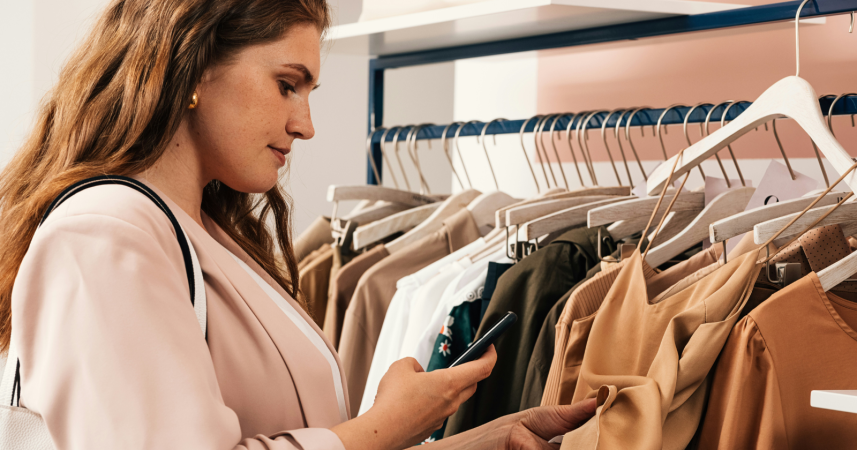
“40% off” means nothing if the price quietly climbed last month.

Add VegOut to your Google News feed. 
We all have that one friend who somehow pays less for everything—flights, groceries, hiking shoes, the fancy blender you’ve been eyeing.
Is it luck? Nope. It’s habits.
After years as a financial analyst (and many weekends volunteering at a farmers’ market), I’ve learned that deal-finders aren’t magical—they’re methodical.
Here are the nine habits I see them practice, again and again.
1. They start with a plan
Ever walked into a store “just to browse” and left with a bag full of stuff you didn’t plan to buy? Same.
That’s why deal-hunters start with a plan: a short list, a target price, and a ceiling they won’t cross.
I keep two lists: a “need soon” list (replacement running socks, printer ink) and a “nice if discounted” list (a Dutch oven, a backup battery).
Before I shop, I check the current going price and jot down my walk-away number. Sounds nerdy—but it keeps my emotions from negotiating on my wallet’s behalf.
Ask yourself: What am I here for? What’s a good price? And if this isn’t it, am I willing to wait?
2. They track prices (not just discounts)
“40% off” sounds great—until you realize it’s 40% off a price that quietly climbed last month.
Deal-finders watch price history. For big purchases, I set price alerts and let the data tell me when it’s time. Free tools track this beautifully and let you set thresholds for alerts so you’re not guessing.
A quick pro move: create a wish list, turn on deal alerts, and let the notification come to you. You’ll spend less time refreshing, and more time pouncing when the price is truly right. (For seasonal mega-sales like Black Friday/Cyber Monday, tech editors recommend using price-tracking tools and price-matching policies so you can verify a real deal and snag refunds if prices drop later.) Verge
3. They buy value, not hype
One of my favorite reminders comes from value investing, and it translates perfectly to everyday shopping: “Long ago, Ben Graham taught me that ‘Price is what you pay; value is what you get.’”
That’s Warren Buffett—and it’s a north star when you’re tempted by flashy markdowns.
Here’s how I use it: I run a quick cost-per-use check. If a $150 jacket will serve me for three winters and weekly trail runs, the cost per wear beats a $60 impulse buy that sheds after one season.
Value lives in durability, utility, and how often you’ll actually use the thing.
4. They time their buys (and shop off-season)
Timing isn’t everything—but it’s a lot. Deal-finders plan around sale cycles and shop off-season when stores are clearing space.
That’s why the smartest folks I meet at the farmers’ market stock up on shelf-stable staples right before the next harvest wave hits, or why I buy gardening tools in late summer.
A simple rhythm helps: electronics after new models launch, outdoor gear as seasons flip, linens during white sales. You don’t need a perfect calendar—just a habit of asking, “Is this the season when this category usually drops?”
5. They stack savings without making it a part-time job
Do you need 14 browser extensions and three rebate apps? Absolutely not. But deal-finders do layer a few simple levers:
-
Discounts: manufacturer coupons, loyalty offers, student/teacher discounts.
-
Cash back: your credit card category bonus, a cash-back portal, or store rewards on items you already buy.
-
Price matching: screenshot a lower price and ask. Many major retailers match, especially during big sales windows.
-
Rebates & gift cards: the “buy 3, get a gift card” offers are great—if they’re on your list already.
The rule: stack when it’s easy, skip when it’s fussy. Your time has value, too.
6. They do the boring math—unit price and total cost
Boring? Maybe. Effective? Always.
I’m quick to compare unit prices (cents per ounce, per count, per foot). The biggest box isn’t always the best deal, especially if storage is tight or the product spoils before you use it.
Watch for “shrinkflation” too—packages that look the same but hold less.
Then I look beyond sticker price to the total cost of ownership—shipping, returns, batteries, maintenance, subscription fees, even the time it takes to learn and use the thing. A cheaper gadget that breaks twice and eats batteries isn’t cheaper.
7. They protect their mindset (and their stomach)
Quote I wish someone had told me in my twenties: “Five laboratory and field studies show that hunger increases the intention to acquire not only food but also nonfood objects.”
Translation: shopping hungry makes you grab extra, even stuff that can’t fix your hunger. I bring a snack and water to stores; online, I avoid late-night scrolling when I’m tired or stressed.
Mindset matters. I shop when I can be curious, not urgent—no rushing, no “last one left!” panic. That alone has saved me from so many “meh” purchases.
8. They leave a paper trail and use policies in their favor
People who get the best deals don’t stop at checkout. They keep receipts (digital is fine), tag the return window on their calendar, and watch for price drops.
Many retailers will adjust the price within a certain window if the item goes on sale shortly after you buy.
I also jot a quick “first 30 days” note: Did I actually use it three times? Do I love it as much as I hoped?
If not, back it goes—no guilt. You didn’t fail; the item did.
9. They practice slow yes, fast no
Ever feel a rush to buy… and then a trickle of regret? Deal-finders flip that script.
I use a 24-hour rule for anything unplanned over a set dollar amount. If tomorrow-me still wants it—and the price holds or improves—I’ll buy. If not, I just saved money without feeling deprived.
At the market, I see this play out beautifully. The savviest shoppers walk the entire loop first, compare the tomatoes, ask about seconds or “ugly” produce, and circle back.
By the time they buy, they know what’s best—so they feel great spending less.
A few personal, practical add-ons I lean on
-
One-in, one-out: If something comes in, something goes. It forces me to prioritize and curb duplicates (looking at you, water bottles).
-
“Why this, why now?” test: If the answer is “because it’s cheap,” I pause. Helpful follow-up: “Would I still want it at full price?”
-
Small experiments: Try the store brand on one item. If it passes your taste/quality test, bank the savings every month.
Your turn
Which of these habits would save you the most right now?
Maybe it’s setting two wish lists and turning on alerts. Maybe it’s unit pricing your groceries this week. Or maybe it’s something as simple as eating before you shop.
The goal isn’t to be perfect. It’s to be intentional.
Do that, and your cart—and your bank account—will start looking more like your values than your impulses.
If You Were a Healing Herb, Which Would You Be?
Each herb holds a unique kind of magic — soothing, awakening, grounding, or clarifying.
This 9-question quiz reveals the healing plant that mirrors your energy right now and what it says about your natural rhythm.
✨ Instant results. Deeply insightful.

Avery White
Formerly a financial analyst, Avery translates complex research into clear, informative narratives. Her evidence-based approach provides readers with reliable insights, presented with clarity and warmth. Outside of work, Avery enjoys trail running, gardening, and volunteering at local farmers’ markets.
More Articles by Avery