To Gen Z, that towering china cabinet says 'dusting.' To boomers, it says 'arrival.' Both are right in their own way."

Add VegOut to your Google News feed. 
Let’s be honest: every generation keeps what feels comfortable and tosses what doesn’t.
I grew up in a house where Sunday polish on the “good” furniture was a ritual, the landline had its own little table, and the plastic bag organizer was basically a family heirloom.
Then I watched my younger cousins move into their first apartments and streamline everything. Less fuss, less storage, more function.
Neither approach is right for everyone. Yet our homes always reflect changing values such as simplicity, sustainability, mental clarity, and budget.
Below are ten household staples that many boomers still love and that many Gen Zers are skipping, plus the thinking behind each choice.
1. Fine china and the towering china cabinet
I can still picture my mother’s china cabinet with glass shelves and interior lights and plates we only touched on holidays.
It was beautiful and a little intimidating. For many boomers, that cabinet signaled that the household had arrived. For a lot of Gen Zers living in small apartments or shared houses, it signals dusting, heavy lifting, and storage they simply do not have.
What is the modern swap? Everyday dishes that are durable and mix and match and get used without ceremony. No juggling between a “good” set and a “regular” set.
The emphasis has shifted from tradition to freedom. If something lives in your home, it should work hard for you. Designer William Morris captured the spirit with a short rule: keep only what is useful or what is beautiful.
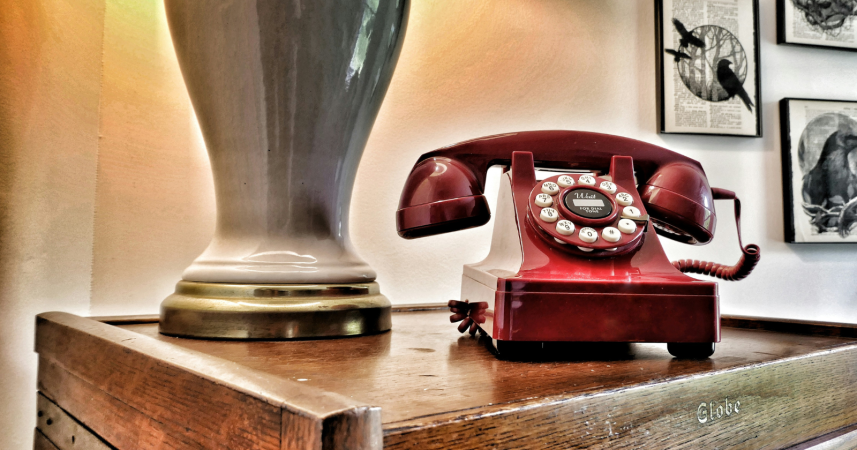
2. Landline telephones on their own little table
Boomers loved the reliability of a landline. There were no dead batteries and call quality was crisp and the number felt anchored to a place.
That all makes sense. With mobile plans everywhere and Wi-Fi calling now reliable, Gen Z sees a landline as an extra bill and a cord to trip over.
Mobility is another factor. Many young adults move frequently, so tying communication to a phone that is bolted to the kitchen wall feels pointless.
If you want the stability of a “home number,” you can use a shared family plan with a dedicated line or a basic VoIP service. You get the stability without the handset shrine.
3. Top sheets tucked tight like hospital corners
If you grew up with a top sheet, it can feel non negotiable. A lot of Gen Zers go duvet only. Why? Laundry. Wrestling a fitted sheet and a duvet cover already eats a chunk of a Sunday. Adding a top sheet feels like a time tax.
Does this make the top sheet wrong? Not at all. If you run warm at night, a breathable top sheet can be perfect. If you run cold, a duvet with a washable cover keeps things simple and still hygienic.
The lesson is about designing your sleep setup around how your body behaves, not around the way your parents taught you to make a bed.
4. Fabric softener and dryer sheets used mainly for the scent
You can probably smell this one already. Many boomers equate a lingering fragrance with “clean.”
Many Gen Zers equate it with coatings and chemicals. They are not wrong that some softeners can reduce towel absorbency and build up on athletic wear.
There is a middle path. Try fragrance free formulas, wool dryer balls, or a half cup of white vinegar during the rinse cycle. The vinegar smell disappears once the clothes are dry, and you get softness without residue. Your gym clothes will thank you.
5. Wall to wall carpeting in high traffic areas
Full carpeting is cozy. It quiets footsteps and keeps toes warm. Modern renters and first time buyers often choose hardwood, laminate, or polished concrete with area rugs.
Allergies, pet accidents, and the visual honesty of hard surfaces are big reasons. You can see the dirt, which makes cleaning straightforward. Rugs can be rolled up, deep cleaned, or replaced. Carpet feels like a long term commitment.
If you love the warmth of carpet, consider modular carpet tiles in a den or bedroom. Spill on one square, then pop it out and replace it. You get old school comfort with new flexibility.
6. Formal dining sets with a heavy tablecloth
I grew up with a “company only” dining room that resembled a museum most of the year. The chairs were pristine because no one dared sit on them.
Gen Z often lives without a separate dining room, which means the furniture needs to multitask. A table becomes a desk by morning and a dinner spot by night.
Instead of a matched mahogany set, you will see lightweight tables, stackable chairs, and washable runners that can handle weeknight pasta and weekend game night. If you adore your formal set, by all means use it.
The point is to eat with people you love, not to walk past a cordoned off showroom.
7. Plug in air fresheners and bowls of potpourri
For many boomers, a scented home equals hospitality. For many younger adults, strong perfumed plug ins feel like a headache waiting to happen.
The shift is not away from scent altogether. It is toward transparency and air quality. People are choosing candles made with cleaner waxes, essential oil diffusers with clear labeling, and the radical option of opening a window.
Scent is memory. If lemon verbena reminds you of your grandmother’s kitchen, keep it. Make the choice deliberate rather than default.
8. The overflowing plastic bag organizer
Tell me your household had a bag of bags. Ours did, stuffed in the pantry like a nylon cornucopia. Boomers see resourcefulness. Why toss a perfectly good bag?
Gen Z sees a slippery avalanche and unnecessary plastic in the first place. Reusable totes and foldable market bags live by the door or in the trunk and actually get used, washed, and used again.
If you still end up with plastic bags, set a reasonable cap, such as ten. Recycle the rest. Constraint creates clarity.
9. Bulky entertainment centers and TV armoires
Remember when TVs were deep enough to deserve their own furniture? Many boomers still have beautiful armoires that once hid wires and DVD towers.
Gen Z streams on thin screens, mounts them to walls, and corrals cords with adhesive clips in five minutes.
Before you donate that big cabinet, consider a creative reuse. It can become a craft closet, a home bar with glassware, or linen storage. Nostalgia can serve a practical purpose when you give it a second life.
10. The overstuffed recliner
I know. Do not touch the recliner. It is where the best naps happen. The tradeoff is the space it eats and the way it often clashes with the lighter, multipurpose aesthetic that many younger adults prefer.
Gen Z’s version is often a modular sofa with a chaise or an ergonomic lounge chair that feels supportive without dominating the room.
If your back loves a recliner, keep one. Choose a streamlined shape in a fabric that matches your palette. Comfort and design do not have to fight. They can share the room.
What these differences are really about
When I map these items on a whiteboard, three themes jump out.
- Efficiency versus ceremony. Boomers often kept objects for specific occasions. Gen Z asks why they should own something that gets used two or three times a year. Neither outlook is wrong. They reflect different rhythms of life.
- Maintenance load. The more steps required to clean or store an item, the more Gen Z questions it. That is not laziness. It is a response to limited time, smaller spaces, and a preference for low friction living.
- Identity signaling. For many boomers, certain items represented stability and success. For many Gen Zers, owning fewer things signals values like mobility, sustainability, and mental unclutteredness.
As organizing guru Marie Kondo likes to ask, does it spark joy? That question lands differently at 22 than at 62. At 22, joy might mean freedom from hauling boxes during each lease renewal.
At 62, joy might mean holding your grandmother’s gravy boat at Thanksgiving and feeling connected to history.
Bridging the generational gap at home
- Set a space budget before a money budget. Decide the square footage you are willing to allocate for rarely used items. If they do not fit the space budget, they do not come home. This approach prevents clutter before it starts.
- Audit by frequency. If something is not used weekly, store it smart. If it is not used yearly, question it. If it never gets used, release it with gratitude.
- Honor a few heirlooms on purpose. Pick three things that carry real meaning. Display them where you will interact with them. Do not banish them to a guilt box in the attic.
- Swap without shame. Replace a plug in with a diffuser. Trade a china cabinet for floating shelves. Choose a supportive lounge chair in place of a spaceship recliner. Keep the function while updating the form.
- Think in systems, not single items. A duvet with a washable cover, wool dryer balls, and a simple laundry schedule form a system that saves time and reduces chemical residue. A wall mounted TV, a slim soundbar, and labeled cord clips form a system that keeps a living room calm.
A quick reality check
I spent years as a financial analyst, and one lesson keeps paying dividends at home. It is the idea of total cost of ownership. The sticker price is one line item, but so are cleaning time, storage, repairs, and mental load.
When a younger renter lets go of top sheets or formal dining sets, the decision is not about disrespect. It is often about math. When a boomer holds on, the decision is not about stubbornness. It is often about values, memories, and proven comfort.
The trick is to be deliberate. If an old school item truly serves you, keep it and enjoy it. If it does not, let it go with gratitude. Borrow the spirit of the William Morris rule and aim for utility and beauty, in whatever ratio fits your life today.
Final thoughts
Our homes are living documents. They change as our lives change and as rent, roommates, kids, pets, and priorities enter the chat. What boomers still swear by often springs from pride and ritual. What Gen Z refuses often springs from practicality and lightness.
Both impulses can coexist under one roof. Keep the china if it delights you, and consider using it every Friday for pizza. Let the plug ins go, open a window, and light a candle you love.
Trade the old TV armoire for a wall mount, then put the salvaged cabinet to work as a craft station. Keep the recliner if your body loves it, and let it share the room with a sleek modular sofa.
Your home does not need to pass a generational purity test. It only needs to feel like you. If you want a simple mantra while you declutter or defend a favorite “dated” piece, use this one. Use it, love it, or let it go.