If you remember these family recipes, you already know what love tastes like.
There is a kind of love that arrives in a steaming bowl or a warm slice.
It is a quiet love, the kind that shows up without fanfare, sliding across the table with a “here, eat” and a look that says everything words can’t.
As a former financial analyst, I notice how often the smallest inputs yield the biggest returns.
In cooking, those inputs are attention, time, and a willingness to taste and adjust.
In relationships, the same three things go a long way.
Here are five family recipes that taste like love to me:
1) Sunday tomato sauce
Is there any sound more reassuring than a pot quietly blipping on the stove for hours? This sauce is the soundtrack of my childhood Sundays.
My mom believed that good things soften over time.
She was right; here is the simple base I still use:
- Warm olive oil in a heavy pot.
- Add diced onion with a pinch of salt, cook until translucent.
- Stir in finely chopped carrots and celery for sweetness and body.
- Add sliced garlic, but do not let it brown.
- Pour in crushed tomatoes, a splash of water, and a spoonful of tomato paste.
- Toss in a bay leaf, a small strip of lemon peel, and a few sprigs of basil if you have them.
- Let it simmer slow and taste for salt.
- Finish with a drizzle of olive oil.
The love is in the way you protect the simmer.
I keep the flame just low enough that the surface trembles.
Every half hour I check in, same way you would check on someone you care about: "Are you good in there? Do you need anything?"
As a vegan, I add a handful of finely chopped mushrooms and a dash of soy sauce to deepen the umami.
If I want a heartier texture, I crumble in cooked lentils in the last 20 minutes.
The result is silky, layered, and kind.
What does psychology have to do with sauce? Plenty; slow cooking is a practice in delayed gratification.
Research shows that rituals reduce anxiety. When you chop, stir, and season in a consistent order, you create calm.
Your nervous system notes the pattern as it exhales.
Serve this with your favorite pasta or spoon it over polenta, then freeze what you do not finish.
2) Cast-iron cornbread with maple heat
My dad swore cornbread could fix a bad day.
He would heat the skillet until it was almost smoking, then pour in the batter so the edges sizzled to a golden crust.
"A little crunch," he would say, "so the soft can shine."
Here is my plant-based version:
- Preheat the oven with a cast-iron skillet inside.
- In a bowl, whisk fine cornmeal, flour, baking powder, a pinch of baking soda, and salt.
- In a second bowl, mix plant milk with a squeeze of lemon juice, a bit of neutral oil, and maple syrup.
- If you like a tiny kick, whisk in a few dashes of hot sauce.
- Combine wet and dry just until moistened.
- Pull the screaming hot skillet from the oven, swirl in a spoon of vegan butter, then scrape in the batter (the edges should begin to set on contact).
- Bake until the top springs back.
Why does this taste like love? Contrast; the crust is assertive, the middle is tender.
Good relationships hold both as we can be firm without being hard and we can be soft without collapsing.
When I bite into a warm square, I remember how my dad taught me to choose, not chase.
He did it with cornbread; he would wait the full ten minutes before cutting into it, even though the smell begged otherwise.
Sensing a theme? Serve with chili, soup, or a smear of jam.
If you want to push it toward savory, fold in chopped scallion or a handful of corn kernels; if you are cooking for someone after a long week, add a drizzle of warm maple at the table.
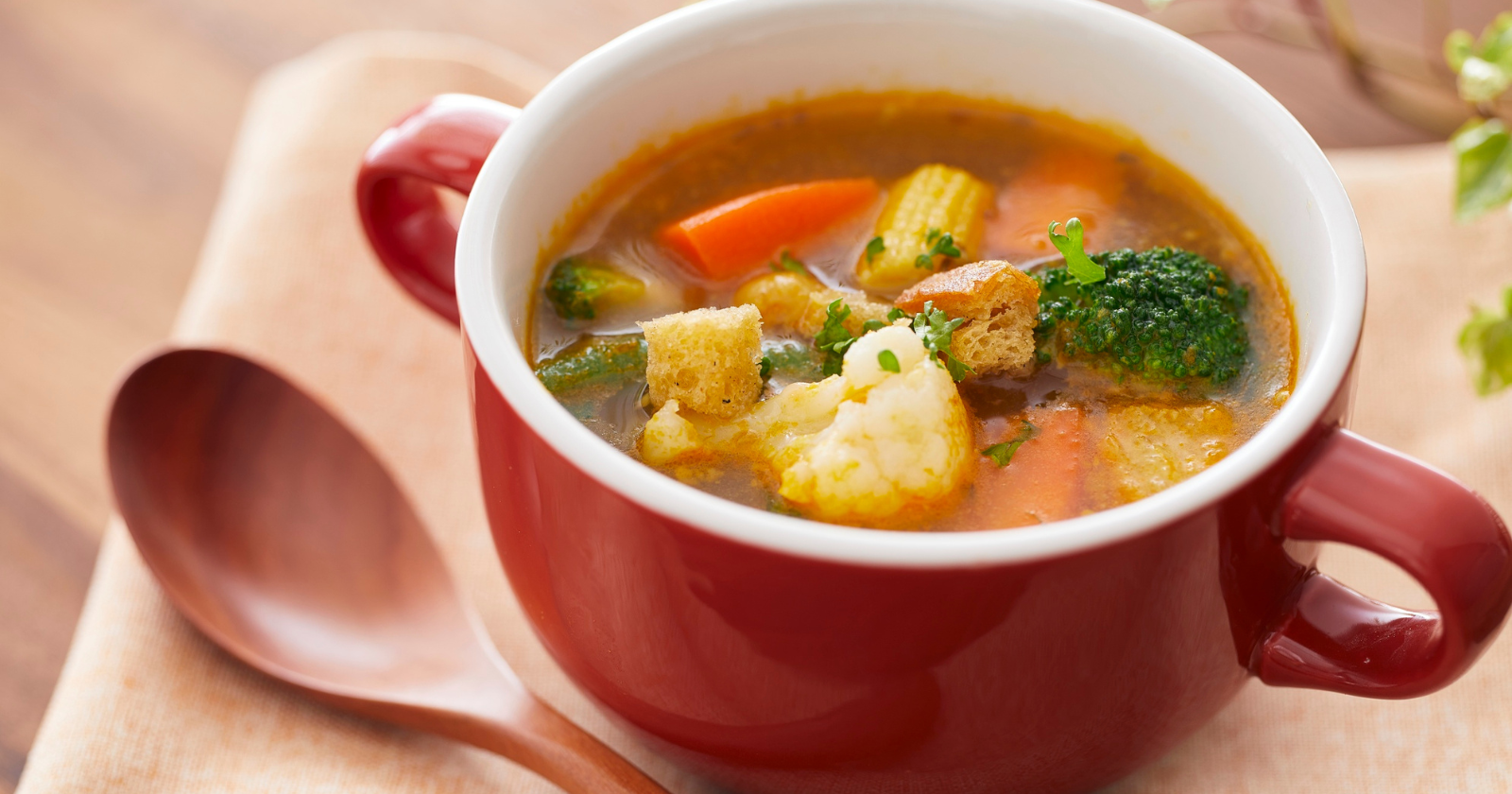
3) Rainy-day vegetable soup
I learned this one on days when the sky looked like a sink full of dishwater and everyone was a little short with each other.
Instead of arguing, my mom would say, "Soup time."
We would all start chopping. Tasks always shifted the mood.
That lesson stuck: When in doubt, give your hands a job.
This soup works with whatever is in the fridge:
- Sweat onion, celery, and carrot in olive oil with a pinch of salt.
- Add minced garlic, a teaspoon of dried thyme, and a good grind of pepper.
- Stir in chopped vegetables, the ones that need using (potatoes, zucchini, cabbage, green beans, kale).
- Add a can of tomatoes if you want brightness.
- Pour in vegetable stock and simmer until all the characters in the pot agree with each other.
- Finish with lemon, parsley, and a glug of olive oil.
For protein, I add white beans or chickpeas; for a deeper base, add a rind of vegan parm while it simmers, then fish it out before serving.
If you want a grain, toss in a handful of small pasta or farro.
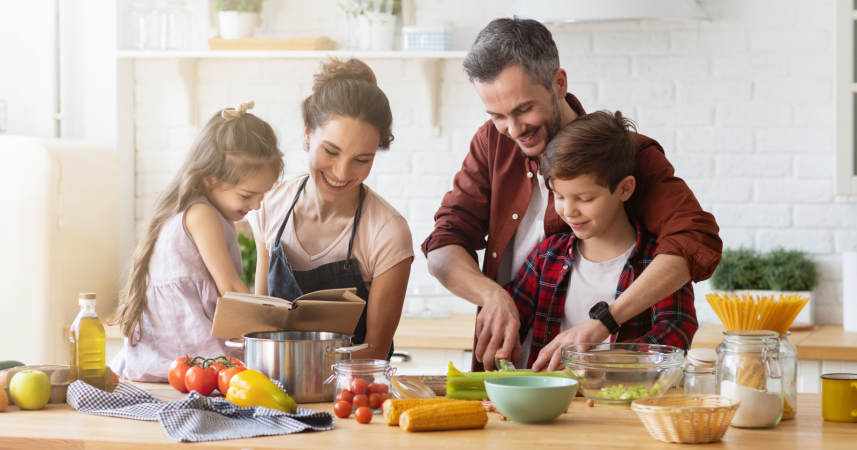
The psychology here is co-regulation: When we cook together, breath and movement sync up.
Problems feel smaller when you are stirring a pot next to someone you love.
You do not even have to talk about what is wrong.
You can, of course, or you can chop in understanding and let the soup say the rest.
4) Sunday-morning pancakes, plant style
Pancakes were my dad’s love language.
He had a rule: The first pancake is for the cook.
It is rarely perfect, but it is always earned.
My vegan version respects the ritual:
- Whisk flour, a little whole wheat flour if you like nuttiness, baking powder, a pinch of baking soda, and salt.
- In another bowl, whisk plant milk, a splash of apple cider vinegar, a spoon of sugar, and neutral oil.
- Combine the bowls until just barely mixed (lumps are fine).
- Heat a skillet and, if you want crisp edges, melt a bit of vegan butter.
- Cook small rounds until bubbles form and the edges look set.
- Flip once.
- Serve with warm maple syrup and a side of fruit.
Add-ins depend on mood:
- Blueberries for sweetness.
- Chocolate chips for comfort.
- Lemon zest for a bright morning.
For protein, stir in a couple of tablespoons of almond flour or hemp hearts.
What does this teach beyond breakfast? Permission to practice.
That first pancake has a job; it sets the temperature and tells you how the batter is feeling today.
We all have first pancakes in our lives: The meeting where you find your ground, the first run after a long break, or the first time you try a new habit.
In finance, we call that feedback; in life, we call it learning.
If you are feeding a crowd, hold pancakes in a low oven on a baking sheet.
Wrap a stack for a friend who had a tough week, or slip a handwritten note between pancakes three and four.
The surprise will do more than any words you can text.
5) Cinnamon apples over warm oats
Dessert or breakfast, this one is a hug in a bowl.
My mom made cinnamon apples whenever anyone needed a soft landing.
No big speech, just the scent of sugar waking up in a pan and the feeling that everything was going to be fine:
- Peel and slice firm apples.
- In a skillet, melt vegan butter.
- Add apples with a sprinkle of sugar, a pinch of salt, and plenty of cinnamon.
- Stir until the juices begin to thicken.
- If you like a little tang, splash in lemon; if you want depth, add a cap of vanilla.
- Cook until tender with a bit of bite.
- Spoon over warm oatmeal and finish with chopped nuts for crunch (almonds are lovely).
I cook my oats with plant milk, a pinch of salt, and, when I want extra creaminess, a mashed banana stirred in at the end.
If you need a bigger glow, add a dollop of coconut yogurt.
Why does this taste like love? It meets you where you are—soft, warm, not too sweet, ready in minutes.
It tells your nervous system the danger has passed.
Warm, easy to digest food signals safety.
Your body reads the temperature and texture and whispers, you are okay.
I like serving this when someone has made a hard choice: New job, new boundary, or new city.
It says, "You did a brave thing, here is a bowl to land in."
Let food be ordinary love
You do not need a special occasion because even a random Tuesday works.
Light the stove, turn on music that makes you sway, and stir like you are tending something important, because you are.
Which of these will you try first? If you make one, notice what memories show up and what softens then pass it on.
That is how family recipes live: Not in exact measurements, but in the way they move through us and keep tasting like love.
If You Were a Healing Herb, Which Would You Be?
Each herb holds a unique kind of magic — soothing, awakening, grounding, or clarifying.
This 9-question quiz reveals the healing plant that mirrors your energy right now and what it says about your natural rhythm.
✨ Instant results. Deeply insightful.

Avery White
Formerly a financial analyst, Avery translates complex research into clear, informative narratives. Her evidence-based approach provides readers with reliable insights, presented with clarity and warmth. Outside of work, Avery enjoys trail running, gardening, and volunteering at local farmers’ markets.
More Articles by Avery