I tested the buzziest protein breakfasts—only three kept me satisfied past noon.
I’m the kind of person who treats breakfast like a mini research project. I weighed portions, logged protein/fiber, and—most important—tracked how long each meal kept me satisfied before I wanted a snack.
For 30 days, I rotated through the internet’s favorite “high-protein” breakfasts: overnight oats, tofu scrambles, smoothie bowls, protein pancakes, chia puddings, yogurt parfaits, baked oats, and the infamous “proffee” (protein powder + coffee).
My rule was simple: if I was genuinely full for at least four hours with steady energy (no 10 a.m. slump, no 11:30 hanger), the dish scored high. If I was rummaging for almonds by 10:45, it got cut.
By the end, I’d learned a pattern the nutrition world already hints at: satiety isn’t about protein alone.
The winners combine protein + fiber + fat, delivered as chewable food (not just liquid), and include enough volume to register with your brain’s fullness signals.
Three breakfasts passed the four-hour test repeatedly, on both desk days and workout mornings.
Here’s what won, how to make each one, and the tweaks that matter.
Winner #1: The savory tofu-breakfast burrito (30–35g protein, 10–12g fiber)
Why it works: It hits the trifecta.
Firm tofu brings complete protein; black beans and a whole-grain wrap add more protein plus soluble fiber; veggies add water + bulk; avocado/tahini gives staying-power fat; and the whole thing takes time to chew (read: stronger fullness signals than a shake).
Base template (1 burrito):
-
150–200g firm tofu, pressed (≈18–24g protein)
-
½ cup cooked black beans (≈7–8g protein; 6–8g fiber)
-
1 cup mixed veg (peppers, onions, spinach, mushrooms)
-
1 large whole-grain tortilla (8–10″)
-
2–3 tsp olive oil or 2 tbsp tahini/avocado for fat and flavor
-
Spices: ½ tsp turmeric, ½ tsp smoked paprika, salt/pepper, optional cumin + garlic
Step-by-step:
-
Crumble & season. Heat a little oil; crumble tofu and season with turmeric, paprika, salt, pepper. Sauté 4–5 minutes until lightly browned.
-
Add veg. Toss in peppers/onions, then spinach at the end; cook until tender.
-
Bean boost. Stir in black beans; splash of water for steam and to keep it juicy.
-
Warm the wrap. Heat tortilla in a dry pan; spread tahini or mash ¼ avocado in the center.
-
Assemble & crisp. Load the tofu/bean mix, roll tight, then sear seam-side down 1–2 minutes to crisp.
Make it yours: Add salsa, hot sauce, or a few pickled onions for acid. Swap beans for lentils; use a chickpea wrap if you’re gluten-free. This burrito routinely kept me full from 8:00 to just past noon—even on days with a short commute walk plus a standing desk morning.
Winner #2: Overnight protein oats that don’t turn into paste (30–40g protein, 10–14g fiber)
Why it works: Oats bring beta-glucan (a gel-forming fiber that slows digestion).
Pair them with a high-protein base (unsweetened soy milk + soy yogurt or a clean protein powder), add chia for extra gel + minerals, and peanut butter (or almond butter) for fat. The texture is thick and spoonable—not a drink—so you get the sensory cues liquid breakfasts can miss.
Base template (1 jar):
-
½ cup rolled oats (not quick)
-
¾ cup unsweetened soy milk (≈6–7g protein)
-
⅓–½ cup plain soy yogurt or 1 scoop neutral vegan protein (adds ≈10–20g protein)
-
1 tbsp chia seeds (≈5g fiber, minor protein)
-
1–2 tsp maple syrup or 2 chopped dates (optional)
-
Pinch salt + ½ tsp vanilla or cinnamon
-
1 tbsp peanut or almond butter (fat for staying power)
-
Toppings in the morning: berries/banana, hemp seeds, cacao nibs (optional)
Step-by-step:
-
Stir the night before. Combine oats, soy milk, yogurt or protein, chia, salt, vanilla/cinnamon. If using powder, whisk well so it doesn’t clump.
-
Rest cold. Refrigerate 6–12 hours. Chia hydrates; oats soften; the mix thickens.
-
Morning finish. Stir, adjust thickness with a splash of milk, add nut butter and fruit, sprinkle hemp seeds if you want an extra protein/fat bump.
If protein powders make it gluey, reduce powder by ⅓ and keep the soy yogurt; or swap ¼ of the oats for quick-cooking steel cut oats to retain a little bite.
This jar kept me content on travel mornings and on presentation days when I needed a steady brain—no jitters, no crash.
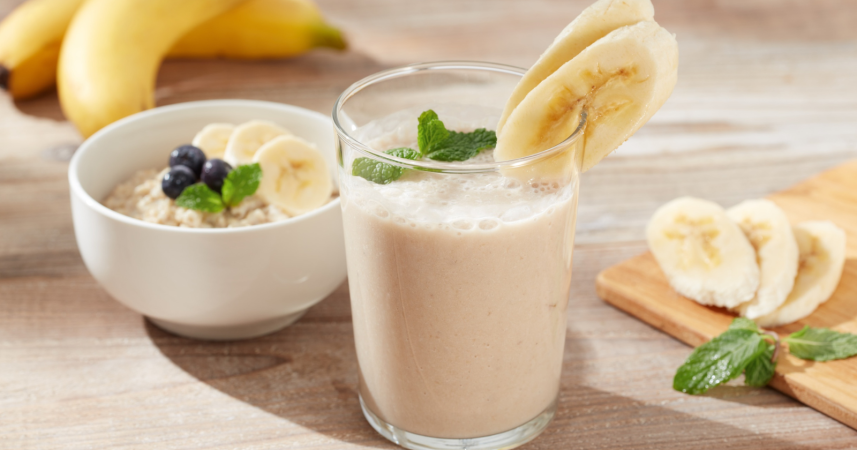
Winner #3: The “thickie” smoothie you eat with a spoon (25–35g protein, 8–12g fiber)
Why it works: Typical smoothies are fast to drink and easy to forget.
This one is a bowl on purpose: thicker texture, more chewing (yes, even with a spoon), and built-in fiber.
Silken tofu or soy skyr/yogurt gives complete protein without chalkiness; oats + flax or chia slow digestion; frozen fruit adds volume and antioxidants; and a spoonful of nut butter ties it together.
Base template (serves 1 big bowl):
-
200g silken tofu or ¾ cup plain soy skyr/yogurt (≈12–18g protein)
-
½ frozen banana or ¾ cup frozen berries
-
¼ cup quick oats (adds fiber + creaminess)
-
1 tbsp ground flax or chia
-
½–¾ cup unsweetened soy milk (start low; add to blend)
-
1 tbsp peanut butter or tahini
-
Pinch salt + splash vanilla
-
Optional add-ins: a handful of spinach; espresso shot for a mocha vibe
Step-by-step:
-
Blend thick. Start with the least liquid; scrape down and pulse until pudding-thick.
-
Eat, don’t sip. Pour into a bowl; top with a few berries or 1–2 tbsp granola for crunch (small amount—this is still protein-first).
-
Pace yourself. Spoon it slowly. The goal is a 10–12 minute breakfast, not a 90-second slurp.
This was my reliable post-workout option: enough protein to kickstart recovery, enough carbs to refill the tank, and—because I ate it, not drank it—genuine fullness through late morning.
What didn’t make the cut (and how to fix it)
- Protein pancakes: Delicious, but the versions that stayed fluffy were lower in protein; the ultra-high-protein versions turned rubbery and somehow left me snacky at 10:30. If you love them, pair two small pancakes with a tofu scramble side or a thick yogurt dollop to raise protein without wrecking texture.
- Chia pudding (classic 3 tbsp chia + milk): Great fiber, but even with protein powder it digested fast for me. Swapping half the chia for quick oats and stirring in soy skyr helped, but at that point the overnight oats formula simply worked better.
- Yogurt parfaits: With standard coconut or almond yogurt, protein is too low. If you can find a plain soy skyr/yogurt with 12–15g per serving and layer it over oats or granola with nuts, it improves—but still didn’t outlast the top three.
- “Proffee” (protein + coffee): Tastes like dessert if you nail the brand, but it behaved like a snack drink, not breakfast. To upgrade, make it the liquid for your “thickie” bowl instead—you’ll actually stay full.
- Baked oats: Cozy and portable, but the fluffiest versions leaned carb-heavy. Stirring in tofu puree or using soy milk + peanut butter helped, yet I still felt hungrier than with overnight oats.
Timing, coffee, and other details that actually matter
I tested each breakfast both with and without coffee.
Coffee didn’t change fullness much, but it did change perceived hunger — on jittery mornings, I moved coffee after breakfast or added a splash of soy milk to blunt acidity.
Hydration mattered more than I expected: a glass of water while cooking and one after eating consistently extended the “I’m good” window by 20–30 minutes.
Also helpful: sit to eat, even if it’s five minutes. Standing over the counter correlated with “Where did my breakfast go?” energy by 11.
Your 10-minute shopping checklist (to set up any of the three)
-
Firm tofu (2 blocks), black beans, whole-grain wraps, onions/peppers/spinach, tahini or avocados, salsa.
-
Rolled oats, unsweetened soy milk, plain soy yogurt or a vegan protein you actually like, chia seeds, peanut/almond butter, fruit.
-
Silken tofu or soy skyr, frozen berries/banana, oats, flax or chia, soy milk, a small crunchy topper (hemp, granola).
Two notes: choose unsweetened bases so you control sweetness, and scan labels — soy generally delivers the best protein-per-serving among plant milks/yogurts.
The bigger takeaway (so you’re not stuck measuring forever)
After a month of testing, I stopped thinking in recipes and started thinking in structures.
If breakfast includes (1) a complete or near-complete protein (tofu, soy yogurt, beans), (2) viscous fiber (oats, chia, flax, beans), (3) a little fat (tahini, avocado, peanut butter), and (4) enough volume to feel like a meal, you’ll almost certainly make it to lunch without the mid-morning snack parade.
The burrito, the overnight oats, and the thickie bowl are just three tasty ways to assemble that structure — fast, affordable, and week-after-week repeatable.
What’s Your Plant-Powered Archetype?
Ever wonder what your everyday habits say about your deeper purpose—and how they ripple out to impact the planet?
This 90-second quiz reveals the plant-powered role you’re here to play, and the tiny shift that makes it even more powerful.
12 fun questions. Instant results. Surprisingly accurate.