Discover how five simple, plant-forward meals turned one writer’s chaotic weeknights into a rhythm of ease, flavor, and sustainability.
For years, I swore I’d become that person, the one with perfectly portioned lunches stacked neatly in glass containers by Sunday night.
Every weekend I’d tell myself, “This is it. This time I’m meal prepping.” By Tuesday, I’d be stress-ordering noodles on an app, watching my spinach wilt in the fridge.
Sound familiar?
What finally changed wasn’t more willpower. It was reframing meal prep from a chore to a rhythm, something flexible, forgiving, and surprisingly creative.
I started with five simple, plant-forward meals that could handle busy weeks, mismatched groceries, and my ever-changing appetite.
Here’s the kicker: these recipes not only saved me time but also money, stress, and food waste.
Each one is easy enough for a weeknight, nourishing enough to feel good about, and sustainable in more ways than one.
1. Sheet pan tofu and veggies: the 30-minute lifesaver
If there’s a gateway recipe to loving meal prep, this is it. One pan, no stovetop chaos, minimal cleanup.
The trick: make the oven do the work. While the tofu crisps and the veggies caramelize, you can pour a drink, change out of work clothes, or just breathe for a minute.
Ingredients
- 1 block extra-firm tofu, pressed and cubed
- 2 cups broccoli florets
- 1 red bell pepper, sliced
- 1 sweet potato, diced
- 2 tbsp olive oil
- 2 tbsp low-sodium soy sauce or tamari
- 1 tbsp maple syrup
- 1 tsp sesame oil
- 1 tsp garlic powder
- Salt and pepper, to taste
- Optional: sesame seeds, sliced green onions
Instructions
- Preheat the oven to 425°F (220°C).
- Whisk soy sauce, olive oil, maple syrup, sesame oil, and garlic powder.
- Toss tofu and veggies in the sauce, then spread evenly on a parchment-lined baking sheet.
- Roast for 25–30 minutes, flipping halfway, until golden and crisp at the edges.
- Serve over brown rice or quinoa. Garnish with sesame seeds and green onions.
Why it works:
Tofu gives you 10 grams of plant protein per serving, and roasting everything together cuts down on energy use and dishes. It’s comfort food with a conscience, no drive-thru guilt required.
2. Mediterranean grain bowls: a mix-and-match foundation
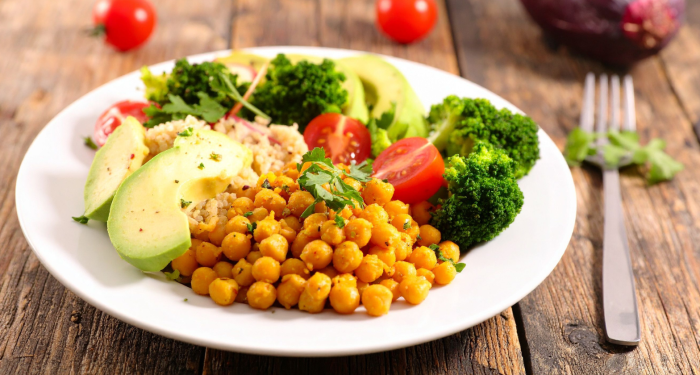
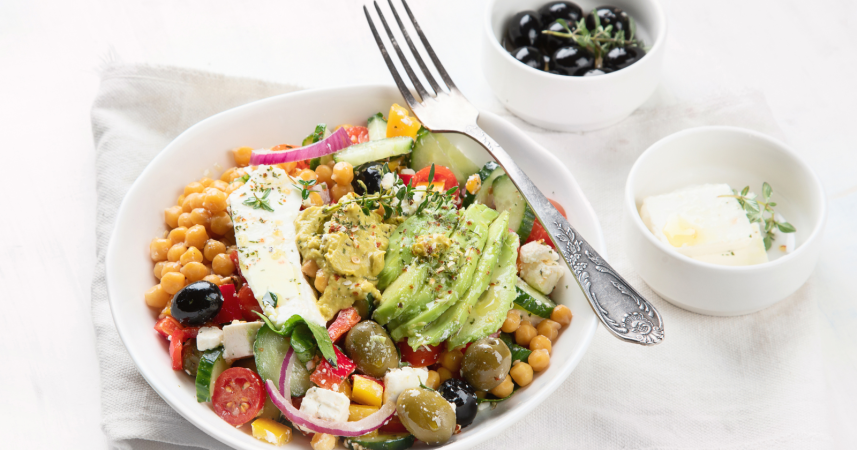
I used to think meal prep meant eating the same sad chicken and rice every day. Then I discovered the grain bowl, a blank canvas that never gets boring.
The secret is batch-cooking one element (the grains) and rotating the toppings. Mediterranean-style flavors keep things bright, satisfying, and full of heart-healthy fats.
Ingredients
Base:
- 2 cups cooked farro, quinoa, or brown rice
Toppings:
- Roasted chickpeas (see below)
- Cucumber, cherry tomatoes, red onion, olives, arugula
- Tahini-lemon sauce:
- ¼ cup tahini
- Juice of 1 lemon
- 1 garlic clove, minced
- Water to thin
- Salt, to taste
Instructions
- Roast chickpeas: Drain and rinse one can, toss with olive oil, salt, and paprika, and bake at 400°F (200°C) for 25 minutes.
- Whisk tahini, lemon juice, garlic, and a bit of water until smooth.
- Assemble bowls: grains first, then veggies, chickpeas, and a drizzle of sauce.
- Optional: top with vegan feta or avocado.
Why it works:
Whole grains and legumes deliver complete nutrition and long-lasting energy. And because the toppings are modular, you can stretch a Sunday prep into three or four distinct meals, reducing both time and food waste.
3. Lentil bolognese with hidden vegetables
Sometimes the best way to eat more plants is to disguise them inside your favorite comfort food. This lentil bolognese hits all the cozy notes of the classic but with none of the heaviness.
It’s hearty, freezer-friendly, and proof that eating sustainably doesn’t mean missing out on richness.
Ingredients
- 1 cup dry green or brown lentils
- 1 tbsp olive oil
- 1 small onion, diced
- 2 carrots, finely chopped
- 2 celery stalks, finely chopped
- 3 cloves garlic, minced
- 1 can (28 oz) crushed tomatoes
- 1 tbsp tomato paste
- 1 tsp Italian seasoning
- Salt, pepper, and red pepper flakes to taste
- Fresh basil, for garnish
Instructions
- Cook lentils in 3 cups of water until tender, about 25 minutes. Drain.
- In a large skillet, heat olive oil and sauté onion, carrot, and celery for 5 minutes. Add garlic and cook for another minute.
- Stir in tomato paste, crushed tomatoes, and seasoning. Simmer for 10 minutes.
- Add lentils and cook 10–15 minutes more, letting flavors meld.
- Serve over pasta, polenta, or spiralized zucchini. Garnish with basil.
Why it works:
Lentils use up to 11 times less water than beef per gram of protein. They’re inexpensive, satisfying, and easy to scale for the freezer, a true triple win for health, climate, and convenience.
4. Coconut curry soup: the zero-waste wonder
This one was born out of a “clean out the fridge” night. You know the kind, half a zucchini, a stray carrot, and a handful of greens on the verge of wilting. Combine them with pantry staples and suddenly you’ve got a warming, flavorful curry soup that feels intentional.
Ingredients
- 1 tbsp coconut oil
- 1 onion, diced
- 1 tbsp red or yellow curry paste
- 3 cups mixed vegetables (bell pepper, spinach, zucchini, carrots, etc.)
- 1 can coconut milk
- 3 cups vegetable broth
- 1 tbsp soy sauce or tamari
- Juice of ½ lime
- Cilantro or green onions, for garnish
Instructions
- Heat coconut oil in a pot. Sauté onion until translucent.
- Stir in curry paste and cook for 1 minute.
- Add vegetables, broth, and coconut milk. Bring to a simmer and cook for 15 minutes.
- Finish with soy sauce and lime juice. Garnish before serving.
Why it works:
Flexible recipes like this help you reduce food waste, one of the biggest contributors to household carbon emissions. Plus, it’s satisfying enough for dinner and even better the next day.
5. Overnight oats three ways
Meal prep doesn’t have to stop at dinner. Overnight oats are your weekday breakfast superhero, no cooking, no morning rush, just grab and go.
The base recipe takes five minutes to assemble, and the flavor possibilities are endless.
Base ingredients (per serving)
- ½ cup rolled oats
- 1 cup unsweetened plant milk
- 1 tbsp chia seeds
- 1 tsp maple syrup
- Dash of cinnamon
Mix in a jar, refrigerate overnight, and wake up to creamy perfection.
Flavor ideas
- Apple-cinnamon crunch: Add diced apple and a spoonful of almond butter.
- Cacao-cherry: Add frozen cherries and 1 tsp cocoa powder.
- Tropical chia: Add diced mango, shredded coconut, and lime zest.
Why it works:
Breakfast often gets skipped or bought in plastic packaging. This saves time, reduces waste, and keeps energy steady through the morning.
The rhythm of effortless eating
Meal prep isn’t about perfection, it’s about rhythm. Some weeks you’ll cook three times, others you’ll stretch a big batch of lentil bolognese into lunches. The point is consistency, not rigidity.
Each of these meals taught me that sustainability starts with small, repeatable habits:
- Turning leftover veggies into soup instead of trash
- Cooking once, eating twice
- Building a plate that nourishes you and the planet
Start with one recipe this week. Maybe the tofu sheet pan. Or the curry. Then let it snowball.
Because the easier healthy eating feels, the more likely we are to keep doing it, and that, really, is what effortless sustainability looks like.
What’s Your Plant-Powered Archetype?
Ever wonder what your everyday habits say about your deeper purpose—and how they ripple out to impact the planet?
This 90-second quiz reveals the plant-powered role you’re here to play, and the tiny shift that makes it even more powerful.
12 fun questions. Instant results. Surprisingly accurate.