When your energy is low, one jar of sauce can be the difference between a fridge full of vegetables and an actual dinner.
There are a lot of weeknights when I want dinner to be fast, flavorful, and forgiving.
That’s why I keep one jar—just one—of an all-purpose stir-fry sauce in my fridge. It’s the backbone of my low-effort meals and the reason I can turn whatever’s in my crisper drawer into something that tastes like I planned it.
I first mixed it up on a frantic Tuesday after a long run and a longer inbox.
I grabbed soy sauce, a little vinegar, a spoonful of brown sugar, garlic, ginger, and sesame oil. It wasn’t fancy, but it was balanced.
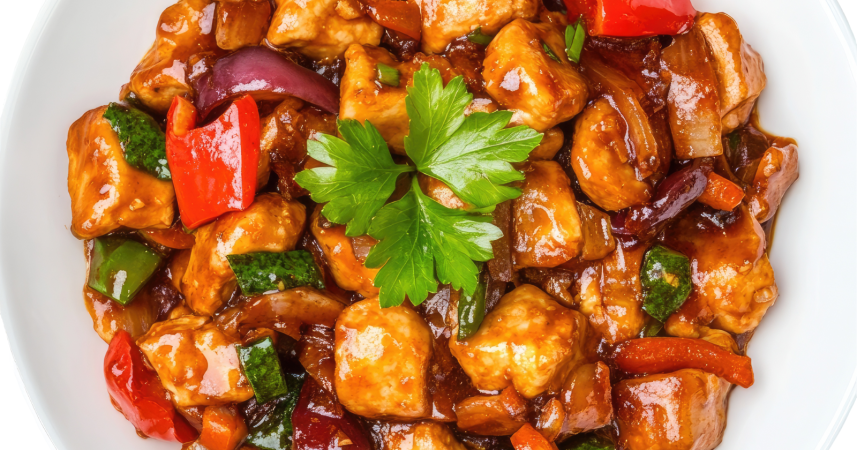
And then I added the secret that makes vegetables glossy and proteins tender: a simple cornstarch slurry. Boom—instant, shiny, restaurant-style sauce that clings to every noodle and green bean.
What surprised me was how versatile it was. I’ve used it with tofu, tempeh, chickpeas, mushrooms, zucchini, broccolini, bok choy, even roasted sweet potatoes.
I’ve tossed it with soba and spooned it over rice, quinoa, and farro. It simply works.
Below is the full, recipe-centered guide—my exact formula, how to use it, how to tweak it, and how to never again stare at a pile of vegetables wondering what to do next.
Meet the master sauce
Here’s the base I make on repeat. It’s savory, lightly sweet, a little tangy, and designed to thicken quickly in a hot pan so it coats every bite.
Ingredients (makes about 1 cup / 240 ml):
-
1/2 cup (120 ml) low-sodium soy sauce or tamari
-
1/3 cup (80 ml) water (or unsalted veggie broth)
-
2 tablespoons rice vinegar (or apple cider vinegar)
-
2 tablespoons brown sugar, maple syrup, or coconut sugar
-
1 tablespoon toasted sesame oil
-
1 tablespoon fresh grated ginger (or 1 teaspoon ground, in a pinch)
-
2–3 cloves garlic, minced or grated
-
1–2 teaspoons chili-garlic sauce or sriracha (optional, to taste)
Slurry (add right before cooking):
-
1 tablespoon cornstarch (or arrowroot)
-
2 tablespoons cold water
To make the sauce base:
Whisk everything except the slurry together in a jar. Lid on, shake. It keeps in the fridge for up to 2 weeks.
When you’re ready to cook, stir the cornstarch with cold water in a small cup, then pour the slurry into the amount of sauce you plan to use (I usually use 1/2 cup for a 2–3 serving stir-fry).
Why the slurry? It’s what gives you that glossy, clingy finish.
Food writers like J. Kenji López-Alt have long noted how a touch of cornstarch in Chinese-American stir-fries not only thickens sauces, it helps them adhere to ingredients—a tiny tweak that delivers big texture.
The quick recipe (pan-to-plate in 12 minutes)
This is my no-brainer method for any combo of veg + protein. It’s designed for speed and zero stress.
You’ll need:
-
12–16 oz (340–450 g) mixed vegetables, cut bite-size (e.g., broccoli, peppers, snap peas, mushrooms, carrots)
-
12 oz (340 g) protein (firm tofu, tempeh, seitan, edamame, chickpeas, or thinly sliced mushrooms if going fully veg)
-
2 tablespoons neutral, high-heat oil (avocado, grapeseed, or peanut)
-
1/2 cup (120 ml) master sauce base + 1 tablespoon cornstarch slurry (from above)
-
Cooked noodles or grain for serving
-
Optional finishers: scallions, sesame seeds, lime wedges
Method:
-
Prep first. Have everything chopped and ready. Stir-fry is a sprint, not a marathon.
-
Heat the pan. A wok is ideal, but a large skillet works. Get it hot—like “a drop of water sizzles” hot. Add 1 tablespoon oil.
-
Sear protein. Add tofu/tempeh/seitan/mushrooms in a single layer. Don’t fuss for 60–90 seconds; let them get color. Stir another minute, then remove to a plate.
-
Cook veg. Add remaining oil. Stir in firm veg (carrots, broccoli stems) first; 1–2 minutes. Then add quick-cooking veg (peppers, snap peas, leafy greens); 2–3 minutes until crisp-tender.
-
Combine + sauce. Return protein to pan. Lower heat to medium. Pour in 1/2 cup sauce base, then immediately drizzle in the slurry while tossing. It’ll thicken in 20–30 seconds.
-
Finish. Turn off heat. Taste and adjust: a splash more vinegar for brightness, a pinch of sugar for balance, or a spoon of water if it’s too thick. Serve over noodles or grains; scatter scallions and sesame seeds.
That’s it. Honestly, dinner happens faster than a delivery app can load.
How I use it on “everything”
If it’s plant-based and fits in a pan, I’ve probably tossed it in this sauce.
-
Tofu or tempeh: Press tofu for 10–15 minutes, then cube. For tempeh, steam for 5 minutes first to mellow its bitterness, then pan-sear. Toss with sauce at the end to keep the exterior crisp.
-
Mushrooms: Sliced cremini or oyster mushrooms love this sauce. They drink it up like sponges and bring all that umami.
-
Green vegetables: Broccoli, broccolini, bok choy, Chinese broccoli, choy sum—this sauce highlights their sweetness.
-
Hearty veg: Cauliflower, cabbage, and Brussels sprouts can be stir-fried or roasted first, then finished in the pan with a splash of sauce and slurry for shine.
-
Noodles: Lo mein, udon, soba, even spaghetti on a budget night. Cook, drain, and toss right in the pan with a bit of sauce and veg.
-
Grains: I spoon it over leftover rice, quinoa, or farro, then top with a jammy egg or crispy tofu for an instant bowl.
Make it yours (easy variations)
Think of the base as your blank canvas. Here are the riffs I reach for:
-
Spicy-sesame: Add 1 tablespoon chili crisp and 1 extra teaspoon sesame oil.
-
Citrus-ginger: Swap half the vinegar for orange juice and bump ginger to 2 tablespoons.
-
Black pepper: Add 1–2 teaspoons freshly ground black pepper for a cacio-e-pepe-meets-stir-fry vibe.
-
Garlic-lover’s: Roast a whole head of garlic, mash 4–5 cloves into the sauce base.
-
Peanut or tahini: Whisk in 2 tablespoons creamy peanut butter or tahini to the base (thin with a splash more water as needed).
-
Umami bomb: Stir in 1 teaspoon white or yellow miso and 1 teaspoon mushroom powder.
-
Gluten-free: Use tamari or certified GF soy sauce; check your chili sauce label.
-
Soy-free: Replace soy/tamari with coconut aminos and reduce the sugar by half (coconut aminos are sweeter).
-
Oil-free: Skip the sesame oil in the base and stir-fry with a splash of water or broth; add toasted sesame seeds at the end for flavor.
Technique tips that make it restaurant-good
-
High heat, quick movement. Stir-frying is about energy in a short burst. Hot pan, cold oil, and small batches keep vegetables crisp and bright. As noted by many pros, working in batches prevents steaming and helps build flavorful browning on the edges.
-
Aromatics first, but briefly. Add garlic and ginger just before the vegetables, not at the very start. They’re potent—and they burn fast.
-
Sauce last. I thicken at the very end so I don’t over-reduce and end up salty.
-
Velveting (optional for tofu/seitan). A quick toss of protein in a teaspoon of oil, a teaspoon of cornstarch, and a pinch of salt creates a delicate crust that grips the sauce. Serious Eats has a helpful primer on stir-fry methods if you want to go deeper.
-
Balance = salty + sweet + sour + heat. If something tastes “flat,” it probably needs acid (vinegar or citrus). Too sharp? Add a touch of sweet. Too sweet? More soy or a squeeze of lime. This simple balancing act is how I cook without measuring cups once I know my base.
Batch, store, and gift
I usually double the base on Sundays. It takes 5 minutes and saves me all week.
-
Fridge: Base (without slurry) keeps 10–14 days in a sealed jar. Shake before using.
-
Freezer: Portion the base in ice cube trays (2 tablespoons each). Pop out a few cubes for single-serve meals. Thaw in the microwave or directly in the hot pan before adding slurry.
-
Meal prep: Roast a pan of vegetables (425°F / 220°C, 20–25 minutes) and cook a pot of grains. Reheat portions in a skillet and finish with sauce for “fresh” taste without a second night of chopping.
-
Gifting: This sauce in a small bottle with a note that says “Add slurry + toss with anything” is the kind of practical present busy friends love.
Troubleshooting (because real kitchens are messy)
-
Too salty: Add 2–4 tablespoons water or unsalted broth to the pan, then rebalance with 1/2–1 teaspoon sugar and a splash of vinegar. Next time, use low-sodium soy or more water in the base.
-
Too sweet: Add 1–2 teaspoons soy sauce and 1 teaspoon vinegar.
-
Too tangy: Stir in 1–2 teaspoons sugar or a drizzle of maple syrup.
-
Too thick/gloppy: You used a bit too much slurry or cooked it too long. Loosen with water a tablespoon at a time. Remember: it thickens fast off the heat, too.
-
Too thin: Simmer 30 seconds more, or mix another 1/2 teaspoon cornstarch with 1 teaspoon cold water and add while stirring.
-
No wok? A heavy 12-inch skillet works. Preheat well and don’t crowd the pan.
-
Minimal oil? Dry-fry mushrooms or steam-fry firm veg with a splash of water, then finish with the sauce and a few drops of toasted sesame oil for aroma.
-
No fresh ginger/garlic? Use 1 teaspoon each powdered ginger and garlic; add a pinch of white pepper to wake it up.
My favorite weeknight templates
When my brain is tired, I lean on formulas. Here are plug-and-play combos that never fail me:
-
Broccoli + tofu + cashews: Sear tofu, add broccoli and a handful of cashews, finish with sauce. Lime wedge on the side.
-
Mushroom medley + soba: Sauté mixed mushrooms, toss in blanched green beans, add cooked soba and sauce. Finish with sesame seeds.
-
Cabbage + carrot + edamame: Quick stir-fry, sauce, then serve over rice with chili crisp.
-
Bok choy + tempeh + orange: Tempeh cubes, halved baby bok choy, swap in the citrus-ginger riff.
-
Zucchini + corn + black beans: Late-summer stunner. Sauce + cilantro + squeeze of lime.
-
Cauliflower + chickpeas + tahini riff: Roast the veg first, then glaze in the pan with the peanut/tahini variation.
Printable-style recipe card
All-Purpose Stir-Fry Sauce (Avery’s “use-it-on-everything” mix)
Makes: ~1 cup (240 ml) base, enough for 2 generous stir-fries
Time: 5 minutes for base, 12 minutes to dinner
Base:
-
1/2 cup (120 ml) low-sodium soy or tamari
-
1/3 cup (80 ml) water or unsalted veggie broth
-
2 tbsp rice vinegar
-
2 tbsp brown sugar (or maple syrup)
-
1 tbsp toasted sesame oil
-
1 tbsp grated fresh ginger
-
2–3 cloves garlic, minced
-
1–2 tsp chili-garlic sauce (optional)
Slurry:
-
1 tbsp cornstarch or arrowroot
-
2 tbsp cold water
Directions:
-
Shake the base in a jar. Refrigerate up to 2 weeks.
-
For each stir-fry (2–3 servings), use 1/2 cup base. Stir slurry and add to the pan with the base at the very end. Toss until glossy and thick—about 30 seconds.
-
Taste and balance with a splash more vinegar, soy, or a pinch of sugar as needed.
Notes:
-
Gluten-free: use tamari. Soy-free: use coconut aminos (reduce sugar).
-
Peanut/tahini variation: whisk in 2 tbsp nut/seed butter and thin with extra water.
Final words
I used to think I needed a different sauce for every craving.
Now I just keep this one within reach and let the pantry and produce aisle do the rest.
It’s reliable, flexible, and exactly the kind of small system that simplifies life—something I appreciate as much in my kitchen as I did back when I lived by spreadsheets.
If you’re a curious self-observer like me, play with the balance until it tastes like your weeknight. Then watch how much easier cooking becomes when one good decision (a jar of sauce) unlocks dozens more.