Pantry staples + fresh aromatics + coconut milk = cozy curry on the table in ~35 minutes.
If your weeknights are anything like mine, dinner lives or dies by two questions: How fast can I get it prepped, and how many pots will I need to wash?
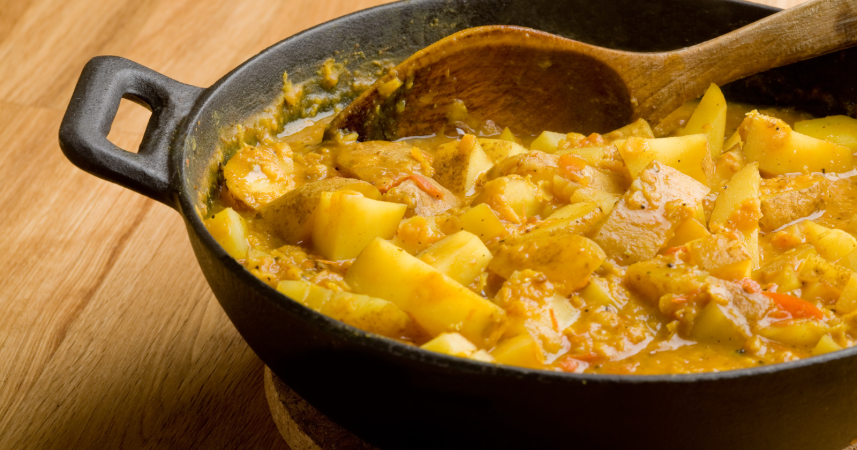
This simple potato curry checks both boxes—ten minutes of hands-on prep, one pot, deeply cozy flavor.
It leans on pantry staples, a few fresh aromatics, and a couple of smart tricks to get dinner on the table without fuss.
I’m writing this for fellow VegOutMag readers who love plant-forward food that doesn’t eat your evening. Let’s make something warm, filling, and gloriously spoonable.
Why this curry is a weeknight hero
Potatoes are the ultimate “set it and simmer” ingredient.
They thicken the sauce naturally as their starch loosens, so you don’t need extra thickeners. Coconut milk makes it creamy, while a quick bloom of spices in oil adds depth you’d swear took hours.
And the best part? It’s flexible. Mild or fiery, chunky or silky, with or without beans—this curry is your canvas.
Ingredients (everything you need, nothing you don’t)
Here’s the base recipe I use for 4 generous bowls. It’s vegan, budget-friendly, and pantry-driven.
-
Oil: 2 tbsp neutral oil (or coconut oil)
-
Aromatics: 1 large onion (diced), 3 cloves garlic (minced), 1-inch fresh ginger (grated)
-
Spices (ground): 2 tsp curry powder (mild or hot), 1 tsp ground cumin, 1 tsp ground coriander, ½ tsp turmeric, ¼–½ tsp cayenne or red pepper flakes (optional), ½ tsp black pepper
-
Tomato: 2 tbsp tomato paste (or 1 cup crushed tomatoes)
-
Potatoes: 1 kg (about 2.2 lb) waxy or all-purpose potatoes, peeled and cut into 2–3 cm chunks (Yukon Gold or similar)
-
Liquid: 1 can (400 ml) full-fat coconut milk + 1½ cups water or low-sodium vegetable broth
-
Salt: 1–1½ tsp fine sea salt, to taste
-
Acid + sweetness: 1–2 tsp fresh lemon or lime juice; ½–1 tsp sugar or maple syrup (optional, to round bitterness)
-
Finishers: ½ cup peas or chopped spinach (optional), fresh cilantro, and lime wedges
Optional add-ins (choose one):
-
1 can (400 g) chickpeas, drained and rinsed
-
1 cup diced carrots or cauliflower florets
-
½ cup unsweetened shredded coconut for extra body
I choose all-purpose or waxy potatoes because they hold shape yet give off enough starch to enrich the sauce. Starchy baking potatoes work too, but cut them larger so they don’t collapse.
Ten-minute prep game plan
The trick is stacking your tasks so the pot is already warming while you chop. Here’s how I move:
-
Put a heavy pot (Dutch oven or deep saucepan) over medium heat and add the oil.
-
While it warms, dice the onion. Toss it into the pot with a pinch of salt—let it go while you prep the rest.
-
Grate the ginger and mince the garlic. Stir both into the pot once the onion is translucent at the edges.
-
Measure spices into a small bowl so they’re ready to bloom.
-
Peel and chunk the potatoes last (bigger pieces = less chopping, more texture).
By the time your potatoes are cut, the aromatics are sweet, and you’re ready to build flavor in one go.
4. One-pot method (the whole play-by-play)
-
Bloom the spices: Add curry powder, cumin, coriander, turmeric, and black pepper to the onions. Stir for 30–45 seconds until fragrant. If the pot looks dry, add another teaspoon of oil.
-
Tomato paste in: Stir in tomato paste and cook 1–2 minutes until it darkens a shade (this removes that “raw” tang and adds umami).
-
Potatoes + liquid: Add potatoes, coconut milk, and water/broth. Scrape up any browned bits. Bring to a simmer, then reduce heat to medium-low.
-
Simmer, uncovered: Cook 18–22 minutes, stirring every few minutes, until potatoes are just tender. The sauce will thicken as starch releases. If it gets too thick, splash in more water. If using chickpeas, add them during the last 8 minutes.
-
Season and brighten: Stir in 1 tsp lemon/lime juice, taste, and add salt as needed. A tiny pinch of sugar can balance acidity and spice.
-
Green finish: Fold in peas or spinach for the final 2 minutes.
-
Rest: Take it off the heat and let it stand 3 minutes. This quick pause lets the sauce settle into velvety.
Serve over rice, quinoa, or with warm flatbread. A shower of cilantro, a squeeze of lime, and black pepper on top make it pop.
Flavor levers (so you can adjust without second-guessing)
I love recipes that teach you how to cook, not just what to cook. Here are three “levers” to balance any curry:
-
Salt: Add in small pinches throughout, not just at the end. You’ll use less and taste more. As noted by culinary educator Samin Nosrat in Salt, Fat, Acid, Heat, a touch of acid at the end can make flavors sing—so don’t skip the lime/lemon; it brightens a rich, coconut base.
-
Heat: For mild curry, skip cayenne and use mild curry powder. For heat, add cayenne early (for deeper warmth) or at the end (for a sharper kick).
-
Body: If you want it richer, simmer 2–3 minutes longer to naturally reduce, or add 2 tbsp nut butter (almond or cashew) and whisk to emulsify.
Make it yours (add-ins, swaps, and proteins)
-
Veggie boosters: Carrots, cauliflower, green beans, or bell peppers—add early so they soften with potatoes.
-
Protein: Chickpeas are a weeknight win; cubed firm tofu works too. Add tofu in the last 5–7 minutes so it warms through without breaking.
-
Coconut choices: Full-fat coconut milk gives a silkier finish. Light coconut milk works but will be thinner—reduce slightly longer.
-
Potato swap: Sweet potatoes are fantastic here. Peel, cube, and drop the simmer to 14–18 minutes (they soften faster).
-
No coconut? Use ¾ cup unsweetened oat milk plus 2 tbsp tahini for a surprisingly lush sauce.
Shortcuts (because sometimes you’re truly running on fumes)
-
Frozen aromatics: Keep pre-minced garlic/ginger or frozen cubes on hand. Toss them straight in—no thaw.
-
Pre-cut potatoes: Chunk them the night before and store submerged in cold water in the fridge (drain well before cooking).
-
Curry paste: If you’re out of dried spices, sub 2–3 tbsp mild curry paste (like Madras or yellow curry). Bloom it in oil with the onions and carry on.
-
Microwave head start: In a pinch, microwave cubed potatoes with a splash of water for 4 minutes to jump-start cooking. Fold them into the simmering sauce to finish.
Texture tweaks (chunky vs. velvety)
-
Chunky: Simmer uncovered and stir gently so pieces stay intact.
-
Velvety: Use the back of your spoon to lightly smash a few potato chunks at the end. That starch instantly thickens the sauce for a restaurant-style gloss. Food scientist Harold McGee explains how starch granules swell and gel as they heat, thickening liquids—a principle we harness here (see his classic On Food and Cooking for the science; overview at the publisher’s page).
Serving ideas (fast sides for a full plate)
-
Five-minute cucumber salad: Thinly slice cucumbers, toss with lime, salt, a pinch of sugar, and cilantro. The cool crunch loves the warm curry.
-
Warm flatbread: Store-bought naan or pita, brushed with oil and toasted in a dry skillet for 1–2 minutes per side.
-
Greens: Pile curry over a bed of baby spinach—it wilts instantly under the heat, saving a pan and sneaking in extra veg.
Make-ahead, storage, and safety
Curry is a meal-prep dream. It actually tastes better the next day as flavors mingle.
-
Fridge: Cool quickly, then store airtight 3–4 days.
-
Freezer: Up to 2 months. Thaw overnight in the fridge and reheat gently with a splash of water.
-
Reheating: Warm on the stovetop over low, stirring occasionally. Add a squeeze of citrus at the end to freshen.
For food-safety peace of mind, leftovers should be chilled within 2 hours and reheated to steamy hot throughout. The USDA’s guidance on leftovers is a handy reference if you want the official word.
Troubleshooting (so the pot never feels “fussy”)
-
Too thick: Add warm water in 2–3 tbsp splashes. Stir, wait 30 seconds, taste again.
-
Too thin: Simmer uncovered 3–5 minutes more, or mash a few potato pieces right in the pot.
-
Flat-tasting: You probably need a pinch more salt and a squeeze of lemon/lime. A tiny pinch of sugar or maple can round bitterness from tomato paste.
-
Too spicy: Stir in more coconut milk (or a spoon of nut butter) and a little sugar; add extra potato if you have it.
-
Potatoes underdone: Lid on, low simmer, 5–7 more minutes. Keep liquid just barely bubbling for even cooking.
The printable-style recipe card (save or screenshot)
Simple Potato Curry (Ten-minute prep, one pot)
Serves 4 | Active time 10 minutes | Total ~35 minutes
Ingredients
2 tbsp neutral oil • 1 onion, diced • 3 garlic cloves, minced • 1-inch ginger, grated • 2 tsp curry powder • 1 tsp cumin • 1 tsp coriander • ½ tsp turmeric • ¼–½ tsp cayenne (optional) • ½ tsp black pepper • 2 tbsp tomato paste • 1 kg potatoes, peeled & chunked • 400 ml coconut milk • 1½ cups water/broth • 1–1½ tsp salt • 1–2 tsp lemon/lime juice • ½ cup peas or spinach (optional) • Cilantro & lime to serve
Optional: 1 can chickpeas or 1 cup mixed veg
Method
-
Warm oil in a heavy pot (medium heat). Sauté onion with a pinch of salt until translucent, 4–5 minutes. Add garlic and ginger; cook 30–60 seconds.
-
Add curry powder, cumin, coriander, turmeric, black pepper (and cayenne if using); stir 30–45 seconds to bloom.
-
Stir in tomato paste; cook 1–2 minutes until darkened.
-
Add potatoes, coconut milk, and water/broth. Bring to a simmer.
-
Simmer uncovered 18–22 minutes, stirring now and then, until potatoes are just tender. Add chickpeas in the last 8 minutes, if using.
-
Stir in lemon/lime juice. Season to taste with salt (and a pinch of sugar if you like). Fold in peas or spinach for 2 minutes.
-
Rest 3 minutes off heat. Serve with rice or flatbread, cilantro, and more lime.
Final notes from my kitchen
If you’re new to curries, this is the perfect entry point. You learn three essential moves—bloom spices, simmer potatoes until they surrender just enough starch, and brighten at the end.
From there, you can riff infinitely.
Cooking on a busy night is really about decisions. This curry removes most of them. Cut, stir, simmer, taste. Dinner’s done.
P.S. If you want to go even deeper into balancing flavors at home, I love pointing readers to Samin Nosrat’s framework of salt, fat, acid, and heat. It’s the simplest way to think like a cook on autopilot—especially when the day has already used up your brain cells.
Just launched: Laughing in the Face of Chaos by Rudá Iandê
Exhausted from trying to hold it all together?
You show up. You smile. You say the right things. But under the surface, something’s tightening. Maybe you don’t want to “stay positive” anymore. Maybe you’re done pretending everything’s fine.
This book is your permission slip to stop performing. To understand chaos at its root and all of your emotional layers.
In Laughing in the Face of Chaos, Brazilian shaman Rudá Iandê brings over 30 years of deep, one-on-one work helping people untangle from the roles they’ve been stuck in—so they can return to something real. He exposes the quiet pressure to be good, be successful, be spiritual—and shows how freedom often lives on the other side of that pressure.
This isn’t a book about becoming your best self. It’s about becoming your real self.