One pot, one sheet pan, one sauce, one quick curry: weeknights solved.
If you can cook just four things, make them the kind that save Tuesday nights, impress weekend guests, and quietly nudge your health in the right direction.
I’m talking about simple, repeatable, vegan recipes I reach for when life is busy, the fridge looks bare, or I just want something nourishing without overthinking.
Think of these as your “always works” quartet.
They’re budget-friendly, pantry-driven, and endlessly adaptable to seasons and taste. And yes, they’re delicious.
As Michael Pollan famously put it, “Eat food, not too much, mostly plants.” That’s exactly what these four do.
Before we dive in, a quick mindset: master the method, not just the measurements. When you know the why (how to brown, balance acidity, or add crunch), you can cook with whatever you have.
Or as Samin Nosrat says, “Salt, fat, acid, and heat” are the big levers. Learn to nudge them, and any recipe becomes yours.
Let’s cook.
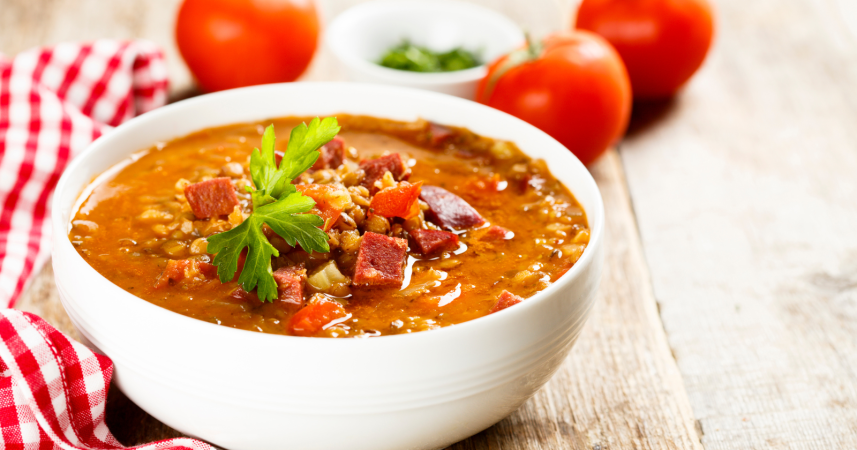
1. One-pot cozy lentil stew (the weeknight hug)
When I need dinner to do everything—feed me, calm me, last a couple days—this is it. Lentils are fast, forgiving, and protein-packed. I make a big pot on Sunday and congratulate Tuesday me.
You’ll need (serves 4–6):
-
2 Tbsp olive oil (or neutral oil)
-
1 large onion, diced
-
2 carrots + 2 celery stalks, diced
-
3 garlic cloves, minced
-
1½ cups dry lentils (green or brown), rinsed
-
1 (14–15 oz) can diced tomatoes
-
6 cups vegetable broth (or water + 1 bouillon cube)
-
1 tsp smoked paprika + 1 tsp dried thyme
-
1 bay leaf
-
1–2 Tbsp red wine vinegar or lemon juice
-
Salt and black pepper to taste
-
Optional: chopped greens (kale/spinach), a splash of soy sauce for depth
How I make it:
Heat oil in a big pot over medium. Sauté onion, carrot, celery with a pinch of salt until soft and golden at the edges—this browning builds flavor, so don’t rush. Stir in garlic, paprika, thyme; cook 30 seconds. Add lentils, tomatoes, broth, bay leaf. Bring to a boil, then simmer 25–35 minutes until lentils are tender. Finish with vinegar/lemon (acid brightens everything), more salt/pepper, and greens until wilted.
Why it’s essential:
It’s a meal-planning cheat code. Scoop it over rice, tuck it into a baked potato, or thin it with extra broth for soup. Lentils deliver fiber, iron, and steady energy—exactly what your future self wants when a long day runs late.
Make it yours:
-
Smoky: add ½ tsp chili flakes or extra smoked paprika.
-
Mediterranean: stir in olives and chopped parsley.
-
Creamy: add a swirl of canned coconut milk.
2. Sheet-pan roasted vegetables & chickpeas (the meal-prep MVP)
I volunteer at my local farmers’ market, and when late-season squash and peppers pile up, I roast pans of them like I’m feeding a crowd. Because I am—me, for four days. This tray bake is how I meal prep without feeling like I’m meal prepping.
You’ll need (serves 4):
-
1 large head broccoli (or 3 cups florets)
-
1 red onion, wedged
-
2 bell peppers, sliced
-
2 cups cubed sweet potato or butternut squash
-
1 (15 oz) can chickpeas, drained, rinsed, patted dry
-
2–3 Tbsp olive oil
-
1 tsp ground cumin + 1 tsp smoked paprika
-
½ tsp garlic powder
-
Salt and black pepper
-
Optional finisher: lemon zest, chopped herbs, or a drizzle of tahini (see Recipe #3)
How I make it:
Heat oven to 425°F (220°C). Toss veg and chickpeas with oil, spices, salt, pepper on a large sheet pan (or two—space equals crispness). Roast 25–35 minutes, shuffling once, until the edges char and everything is tender. Hit with lemon zest or herbs.
Why it’s essential:
Roasting concentrates flavor and texture—sweet, crispy, caramelized. You can toss this onto grains, fold into tacos, pile over greens, or pair with pasta and a splash of pasta water (instant sauce). It’s a technique as much as a recipe: high heat, enough space, and patient browning.
Make it yours:
Use any sturdy veg you have—cauliflower, carrots, zucchini, mushrooms. Swap spices for curry powder, za’atar, or Italian seasoning. Add nuts or seeds at the end for crunch.
3. 10-minute tahini-lemon dressing (the sauce that fixes everything)
Here’s the truth about “boring” healthy food—it’s almost always a sauce problem. This one takes pantry stuff and turns it into a creamy, tangy, everything-upgrader. I drizzle it over roasted veg, grain bowls, salads, falafel, and even baked potatoes.
You’ll need (makes about 1 cup):
-
½ cup tahini
-
⅓ cup warm water, plus more to thin
-
1 large lemon (zest + 3–4 Tbsp juice)
-
1 small garlic clove, finely grated or crushed
-
1–2 tsp maple syrup (to round bitterness)
-
½ tsp fine salt + pepper
-
Optional: ½ tsp ground cumin or a pinch of cayenne
-
Optional swap: lime juice + cilantro for a bright, herby version
How I make it:
Whisk tahini and warm water until it loosens and turns satin-smooth. Add lemon zest/juice, garlic, maple, salt, pepper. Thin to your ideal pour. Taste and adjust—more lemon for zing, maple for balance, salt to wake it up.
Why it’s essential:
It converts leftovers into “planned meals” and encourages more plants by making bowls craveable. For a complete bowl: grain (quinoa, rice, farro), greens, a roast-y element (Recipe #2), a protein (beans, tofu), something fresh (tomatoes, cucumber), crunch (seeds), and this sauce. Done.
Make it yours:
Blend in a handful of parsley or dill. Swap tahini for peanut or almond butter (plus soy sauce, ginger, and a splash of rice vinegar for a satay vibe). If you’re avoiding sesame, sunflower seed butter works.
4. 20-minute tomato-coconut chickpea curry (the reliable “wow”)
I keep chickpeas, coconut milk, and canned tomatoes in the pantry for nights I want maximum comfort with minimal thought. This curry hits creamy, tangy, and just-spicy—like a well-balanced spreadsheet cell happily turning green. (Old analyst habits die hard.)
You’ll need (serves 4):
-
1 Tbsp neutral oil
-
1 onion, thinly sliced
-
3 garlic cloves, minced
-
1 Tbsp grated fresh ginger (or ½ tsp ground)
-
2–3 tsp curry powder (or garam masala), plus ½ tsp turmeric
-
1 (14–15 oz) can chickpeas, drained, rinsed
-
1 (14–15 oz) can diced tomatoes (or crushed)
-
1 (13.5–14 oz) can full-fat coconut milk
-
1 tsp sugar or maple (balances acidity)
-
1–2 Tbsp lime juice
-
Salt to taste
-
Optional: baby spinach, cilantro, chili flakes
How I make it:
Sauté onion in oil with a pinch of salt until soft and golden, 6–8 minutes. Add garlic and ginger; cook 30 seconds. Stir in spices until fragrant. Add chickpeas, tomatoes, coconut milk, and sugar; simmer 8–10 minutes to thicken and mingle. Finish with lime juice, salt, and a handful of spinach until wilted. Serve over rice.
Why it’s essential:
It teaches you the rhythm of building flavor fast: aromatics → spices → liquids → bright finish. Once you learn that, you can pivot to red lentils, cubes of tofu, or mixed veg. It’s also weeknight-friendly and guest-worthy—my favorite combination.
Make it yours:
Add cauliflower florets or diced sweet potato at the simmer stage. Use tomato paste + water if you’re out of canned tomatoes. Try a spoonful of peanut butter for body and nutty depth.
A few practical notes I wish I’d learned sooner
-
Taste in layers. Salt the onions, then salt the pot near the end. Acid (lemon/lime/vinegar) wakes up the final dish. A tiny bit of sweetness can soften bitterness. As noted by Samin Nosrat above, balancing these elements is the sneaky secret to “why does this taste like a restaurant dish?”
-
Texture is flavor’s best friend. Think about contrast—a creamy curry with crisp cucumber on top; soft lentils with toasted seeds; roasted veg with a cool, herby sauce.
-
Batch smart. Double recipes #1 and #2 and freeze portions. Keep a jar of #3 in the fridge (it thickens; loosen with water or lemon). Curry (#4) is excellent the next day when the spices settle in.
-
Health without the lecture. Plant-forward staples like lentils, beans, whole grains, and veggies bring fiber and phytonutrients that support long-term health. This is backed by experts like Harvard’s nutrition researchers, who note that plant-centered eating patterns are linked with lower risk of heart disease and type 2 diabetes (Harvard T.H. Chan School of Public Health). I’m not chasing perfection—just daily patterns that add up.
-
Use what you have. Recipes are roadmaps, not prison sentences. No celery? More carrot. Out of chickpeas? Use white beans. Cooking is applied problem solving, and you’re good at that already.
Your four-recipe toolkit at a glance
-
A pot of lentils that flexes from soup to pasta topper.
-
A sheet pan of roasted veg + chickpeas for bowls, tacos, and lunches.
-
A creamy tahini-lemon dressing that makes plants irresistible.
-
A quick tomato-coconut chickpea curry that proves “easy” can be exciting.
If you only memorize four, let them be these. They’re building blocks, not boxes—learn the pattern and swap ingredients by season, budget, and mood.
Spring? Asparagus on the sheet pan and dill in the tahini. Summer? Tomatoes everywhere and lemon on everything.
Fall? Squash in the stew, cinnamon in the curry.
Winter? Cabbage roasts like a champ, and citrus keeps the sauce lively.
Cooking is one of the most practical self-development tools I know. It feeds your future self, gives you a small daily win, and lets you care for people you love without burning yourself out.
I’ve learned that a handful of reliable recipes reduces decision fatigue—something my old life in finance taught me to respect. Fewer choices, better outcomes.
So open the pantry, pull a pot, and start where you are. In twenty minutes, you could have dinner simmering, lunches set, and tomorrow-you breathing a little easier.
Four recipes. Hundreds of ways to eat well.
Happy cooking.
VegOut Magazine’s November Edition Is Out!
In our latest Magazine “Curiosity, Compassion & the Future of Living” you’ll get FREE access to:
-
- – 5 in-depth articles
- – Insights across Lifestyle, Wellness, Sustainability & Beauty
- – Our Editor’s Monthly Picks
- – 4 exclusive Vegan Recipes