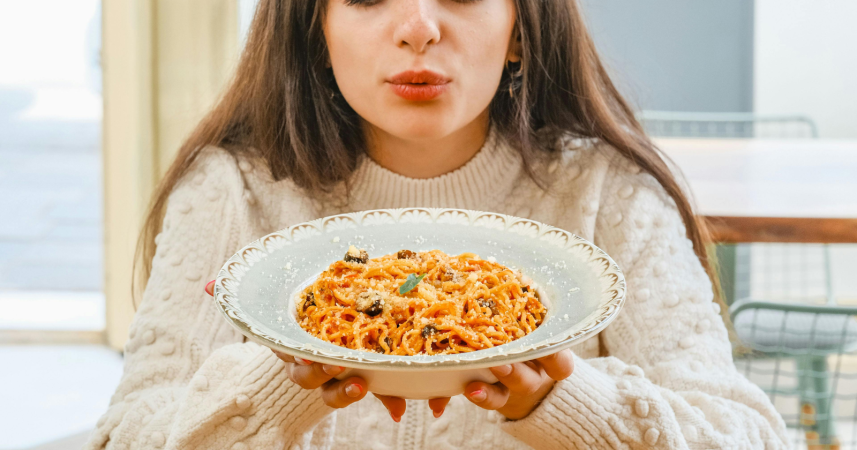
I tracked time, cost, and taste on ten viral budget dinners—and found four I’d cook again in a heartbeat. No meat, no fuss, and no sad leftovers.

Add VegOut to your Google News feed. 
There’s nothing like a long day and a short grocery receipt.
I spent the last few weeks cooking my way through 10 budget-friendly dinners I kept seeing in Reddit threads—r/eatcheapandhealthy, r/veganrecipes, r/budgetfood—the greatest hits of “What can I make tonight without blowing my budget or my energy?”
I treated it like a mini experiment. Old analyst habits die hard. I tracked rough costs (nothing fancy—just ballparked pantry items and watched unit prices), timed the cooking, and rated each dish on three things: price-to-satiety, weeknight effort, and leftover magic.
Four recipes made it into permanent rotation. They’re unfussy, forgiving, and plant-forward, which tends to be easiest on the wallet and the body. As Michael Pollan famously put it, “Eat food. Not too much. Mostly plants.”
Before we dig in, a quick note: I’m assuming you’ve got a few basics like salt, pepper, oil, and soy sauce. If not, snag the smallest bottles you can; they stretch over dozens of meals.
Also, keep an eye on store brands and international aisles for better prices. Pulses (beans, chickpeas, lentils) are your best friends here—high protein, high fiber, and consistently cheaper than meat, as the British Heart Foundation says.
1. Creamy chickpea curry
If there’s a dish that checks every weeknight box for me, it’s this one. You sauté a chopped onion in a bit of oil until it’s sweet and golden.
Add garlic and ginger if you have them. Sprinkle in curry powder (or garam masala + turmeric + cumin), then bloom the spices for 30 seconds so they wake up.
Tip in a can of crushed tomatoes and a can of chickpeas (drained), simmer five minutes, then finish with coconut milk (full-fat if you want luxe, light if you’re watching pennies).
Salt, squeeze of lime, handful of chopped cilantro if you’ve got it. That’s dinner.
Why it stayed on repeat:
-
Fast: 20–25 minutes, tops.
-
Flexible: Swap chickpeas for white beans; sub spinach for cilantro; ladle it over rice, quinoa, or roasted potatoes.
-
Lunch-friendly: It reheats like a dream and doesn’t separate.
Little tweaks that help:
-
Add a teaspoon of brown sugar or a chopped date to round the tomatoes’ acidity.
-
Stir in a cup of frozen peas at the end for color and sweetness.
-
Toasted coconut on top if you’re feeling fun.
Budget note: Dried chickpeas are cheaper than canned, but canned wins for speed. I cook a big pot of dried beans on Sundays and freeze in 1½-cup bags (aka “one can”).
You get control over salt and texture—and you’ll always have protein ready to go.
2. Lentil bolognese that tastes like Sunday sauce
I love a long-simmered ragù, but not on a Tuesday. This version gives you that deep, savory comfort in under 40 minutes with pantry staples.
Start by sweating a finely chopped onion, carrot, and celery (the classic soffritto) in olive oil. When the edges turn golden, add minced garlic, 1 tablespoon tomato paste, and a pinch of smoked paprika. Stir until the paste darkens—this is flavor.
Pour in a can of crushed tomatoes, a bay leaf, ½ cup red lentils (the tiny orange ones), and 1–2 cups water. A splash of soy sauce or balsamic helps with umami.
Simmer 25 minutes, adding water as needed, until the lentils melt into the sauce.
Why it stayed on repeat:
-
It clings to pasta like a hug. I like rigatoni or shells.
-
It freezes well. Future you will be thrilled.
-
It’s kid-and-guest friendly. No “Where’s the meat?” complaints here.
Make it sparkle:
-
Finish with a knob of plant butter and a lot of black pepper.
-
Grate in a clove of raw garlic at the end for a sharp top note.
-
If you have walnuts, pulse a handful and stir them in for richness.
Serving ideas: Over polenta, on toasted sourdough with a smear of hummus, or layered in a baked pasta with spinach. It’s also superb spooned into roasted zucchini boats.
3. 10-minute peanut butter sesame noodles (plus veg)
This is the dish I make when I’m starving and 10 minutes from ordering takeout.
While spaghetti or ramen cooks, whisk together 3 tablespoons peanut butter, 2 tablespoons soy sauce, 1 tablespoon rice vinegar or lime juice, a teaspoon of sesame oil, a drizzle of maple or sugar, and enough hot pasta water to loosen it to a pourable sauce.
Add chili flakes or sriracha if that’s your vibe. Toss with noodles, a mountain of shredded cabbage and carrots (pre-shredded bags save time), and a handful of edamame or roasted peanuts. Top with scallions.
Why it stayed on repeat:
-
Price-to-satiety is off the charts; fat + carbs + fiber means you stay full.
-
It’s a canvas: swap peanut butter for tahini or sunflower seed butter, use any noodle (udon, spaghetti, rice sticks), and throw in whatever veg needs using up.
Tricks from the trenches:
-
Reserve a full cup of pasta water; it’s liquid gold for glossy sauce.
-
If your sauce breaks or tastes flat, add a splash more acid (lime/vinegar) and a pinch of salt. Balancing salt, fat, acid, and heat is the whole game—an idea popularized by chef Samin Nosrat and one I return to constantly when quick dinners taste “meh.”
Meal-prep move: Make a double batch of the sauce and keep it in the fridge for up to a week. It’s also great on grain bowls, roasted sweet potatoes, and sliced cucumbers.
4. Sheet-pan smoky cabbage, potatoes, and beans
Every time I roast cabbage, someone asks what smells so good.
The answer is caramelization and smoked paprika.
Cut a small cabbage into wedges and toss with thick-sliced potatoes (or sweet potatoes), olive oil, smoked paprika, garlic powder, salt, and pepper. Spread on a sheet pan and roast at 425°F (220°C) for 25–35 minutes, flipping once.
Meanwhile, warm a can of white beans with a spoonful of tomato paste, a bit of water, and a splash of vinegar. When the veg is tender and charred at the edges, pile everything together, squeeze on lemon, and shower with parsley.
Why it stayed on repeat:
-
One pan, minimal dishes.
-
Cheap produce that tastes restaurant-level when roasted.
-
Balanced: starch, veg, and protein that feels hearty without heaviness.
To level it up:
-
Add ribbons of kale in the last 10 minutes.
-
Dollop with garlicky yogurt or a quick tahini-lemon sauce.
-
Crumble salted, toasted sunflower seeds for crunch.
Serve with: Toasted bread for scooping, hot sauce on the side, and pickled onions if you have them. The tang cuts through the sweetness of roasted cabbage.
So, why these four?
They’re pantry-based, flexible, and built on ingredients that rarely break the bank—beans, lentils, pasta, potatoes, cabbage, tomatoes.
That matters. Staples like pulses are “nutrient-dense and affordable,” which is why they’re global workhorses—the kind of thing you can build a whole week around without culinary boredom or financial stress.
And because they’re so forgiving, you can tweak them based on what’s on sale or what’s wilting in your crisper.
A few habits that kept costs low and flavor high while I tested:
-
Cook once, season twice. Make a base (like the lentil sauce) and split it: half Italian with basil and black pepper, half smoky with chipotle and lime. Same pot, two dinner moods.
-
Respect the garnish. A squeeze of citrus, a fresh herb, or a crunchy topping (peanuts, seeds, crispy onions) can make a $2 bowl taste like a $12 bowl.
-
Batch your energy. If the oven’s already on for the sheet-pan dinner, slide in a tray of chopped sweet potatoes or a head of broccoli for tomorrow’s lunches. Future you will send a thank-you note.
-
Freeze smart. Beans, rice, and sauces freeze beautifully in flat zip bags. Stack them like files and you’ve got a weeknight library.
-
Season early and late. Salt the onions while they soften; finish with acid or a tiny bit of sugar to balance. Layered seasoning is the difference between “fine” and “mm, wow.”
What didn’t make the cut?
A couple of the Reddit favorites were tasty but fussy for the price.
One skillet rice dish wanted three different fresh peppers and two kinds of cheese—not ideal if you’re shopping the basics.
Another relied on store-bought vegan meat. Nothing wrong with it, but the cost per serving spiked and leftovers didn’t hold up as well as the bean-and-grain classics.
If convenience is your priority, go for it. My priority was maximum stretch for minimum spend, with flavors I won’t burn out on.
If you’re building your own rotation, start with what you already have.
Open the pantry and ask: What protein do I see first?
If it’s chickpeas, you’re halfway to curry or a quick pan-roast with spices and lemon.
If it’s lentils, think bolognese or dal.
Got half a cabbage? Roast it.
Have peanut butter? Noodles, bowls, dipping sauce for roasted veg.
This is the kind of modular thinking I leaned on as a financial analyst—work with constraints, not against them. It’s oddly freeing.
One last resource I recommend if you’re new to budget cooking: Leanne Brown’s community cookbook, Good and Cheap, which was created to help folks eat well on $4/day. It’s packed with ideas that make frugality feel abundant rather than austere.
Browse it here and steal techniques you can mix into the four recipes above.
Final thoughts
These dinners aren’t just cheap—they’re dependable.
They forgive late meetings, surprise guests, and empty fridges. They scale up for potlucks and scale down for solo nights. They welcome swaps, encourage creativity, and keep well for tomorrow.
Most of all, they taste good. Because saving money is great, but not if dinner feels like a punishment.
So the next time you’re scrolling dinner threads with half a mind to order in, pick one of these and set a timer.
You’ll have a satisfying plate before the delivery driver even finds parking.
And if you stumble on another low-cost gem in your Reddit wanderings, send it my way. I’m always testing—and my weeknight rotation has room for one more keeper.