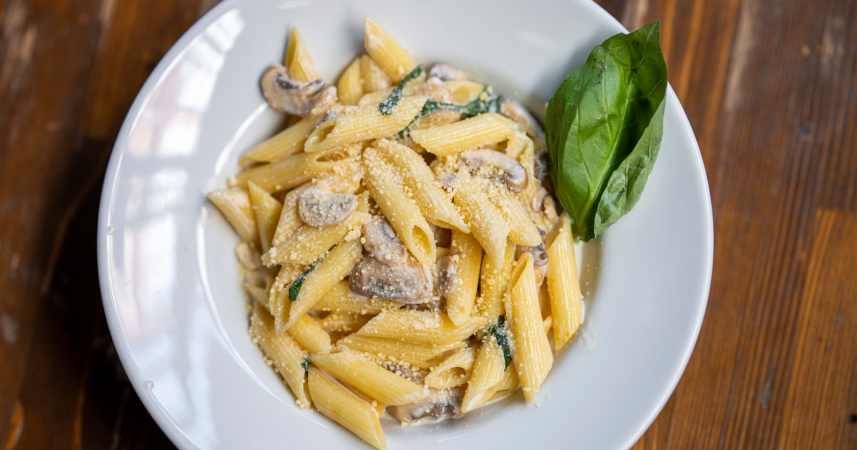
Sauce + pasta water = magic. Keep scooping it; you’ll use more than you think.
Most weeknights, my dinner window is a narrow one.
I’ll finish a trail run, water the tomatoes in the backyard, and then I’ve got exactly 30 minutes to feed myself something warm and satisfying before I turn into a pumpkin.
So I ran a little experiment: five quick pasta sauces, all plant-based, all doable between a Zoom sign-off and bedtime.
I cooked each one on two different nights to make sure it wasn’t a fluke, then ranked them on speed, flavor payoff, wallet-friendliness, and how well they held up for leftovers.
Two didn’t make the cut (I’ll tell you why at the end). But these three? I’d make them again without hesitation—and I think you will too.
A few notes before we dive in:
-
Everything below is fully vegan and weeknight-friendly.
-
Each recipe makes enough for 12–16 ounces of pasta (roughly 4 servings) and takes 10–20 minutes, start to finish.
-
I call out easy swaps for gluten-free, nut-free, and protein boosts.
-
Use whatever pasta shape you love. I tested with spaghetti, rigatoni, and shells; they all worked.
Let’s get you sauced (the wholesome kind).
1. Creamy roasted red pepper blender sauce
If “dinner in 12 minutes” had a mascot, it would be this sauce. It’s silky, smoky-sweet, and gently garlicky—the kind of comforting creaminess people assume took hours. It didn’t. It took a blender.
Why it wins for busy nights
-
Zero chopping beyond maybe halving a shallot.
-
Everything blends smooth while the pasta boils.
-
Pantry-friendly: jarred peppers, plant milk, and a handful of nuts or seeds.
Ingredients (serves 4)
-
1 (12–16 oz) jar roasted red peppers, drained
-
1 small shallot or ¼ red onion, roughly chopped
-
2 cloves garlic (raw for a kick; sauté first for mellow)
-
½ cup raw cashews or hulled sunflower seeds (nut-free)
-
1 cup unsweetened oat or soy milk (plus more to thin)
-
2 tbsp olive oil
-
2 tbsp nutritional yeast
-
1–2 tsp red wine vinegar or lemon juice
-
¾–1 tsp fine sea salt, to taste
-
Black pepper and red pepper flakes, to taste
-
Optional: 1 roasted zucchini (leftovers welcome), 1 tsp smoked paprika
Directions
-
Start pasta in well-salted boiling water. Scoop out 1 cup of pasta water before draining.
-
Meanwhile, add all sauce ingredients to a high-speed blender. Blend until completely smooth, 60–90 seconds.
-
Pour sauce into a warm skillet over low heat. Add ¼ cup pasta water to loosen; stir until glossy and warm.
-
Toss with just-drained pasta, adding more water as needed to coat. Finish with a drizzle of olive oil, black pepper, and a squeeze of lemon.
Time check: 10–12 minutes.
Texture + flavor tips
-
For extra depth, bloom 1 tsp smoked paprika in the oil for 30 seconds before adding the blended sauce.
-
If the sauce tastes flat, it likely needs more acid (lemon/vinegar) and a pinch more salt.
Make it yours
-
Protein boost: Stir in a can of chickpeas or sautéed plant-based sausage.
-
Nut-free: Use sunflower seeds and soy milk.
-
Gluten-free: Pair with chickpea or brown rice pasta.
Leftover test
Aces. The sauce stays creamy for 2–3 days. It thickens in the fridge—just loosen with a splash of milk or water when reheating.
2. 10-minute burst tomato and olive pan sauce
This is the sauce I reach for when cherry tomatoes are sweet and the day has been… not. The tomatoes burst in hot oil, making their own quick “jam”; a handful of olives and capers brings briny edge; garlic and basil keep it bright. No blender. No fuss.
Why it wins for busy nights
-
It’s one pan, five ingredients (beyond the basics), and genuine restaurant-level flavor.
-
Works with fresh tomatoes on the edge of wrinkly or a can of diced tomatoes in winter.
Ingredients (serves 4)
-
3 tbsp olive oil
-
3–4 cups cherry or grape tomatoes (or 1 (14.5 oz) can diced tomatoes, drained)
-
3 cloves garlic, thinly sliced
-
½ cup pitted olives, roughly chopped (Kalamata or Castelvetrano)
-
1–2 tbsp capers, drained
-
Pinch red pepper flakes
-
Salt and black pepper
-
1 small bunch basil (or 1 tsp dried oregano if that’s what you have)
-
Optional but great: 1 tsp sugar (only if your tomatoes are very acidic), lemon zest to finish
Directions
-
Heat oil in a wide skillet over medium-high. Add tomatoes and a pinch of salt. Let them sizzle, undisturbed, 2–3 minutes until blistered.
-
Add garlic and red pepper flakes; cook 30–60 seconds until fragrant.
-
Smash about half the tomatoes with the back of a spoon to release juices.
-
Stir in olives and capers. Simmer 2–3 minutes until saucy.
-
Toss in just-drained pasta with ½ cup reserved pasta water. Cook 1 minute to marry. Kill the heat and shower with torn basil and lemon zest.
Time check: 10–12 minutes.
Why it hits the spot
There’s enough salt and acidity here to wake up your palate after a long day. And if your household spans spice preferences, pass red pepper flakes at the table so everyone can calibrate.
Make it yours
-
Add heft: Toasted walnuts or pan-crisped tofu cubes.
-
Pantry swap: Use a can of fire-roasted tomatoes and a handful of sundried tomatoes when fresh aren’t great.
-
Kid-friendly: Chop the olives smaller and go easy on the capers.
Leftover test
Good, not perfect. The tomatoes soften further by day two, but the flavor deepens. I like to add a handful of arugula when reheating for a peppery lift.
3. Lemony garlic tahini “alfredo”
When I worked in finance, I learned to reverse-engineer comfort. That’s exactly what this sauce does—gives you all the cozy, clingy satisfaction of Alfredo without butter or cream. Tahini + starchy pasta water = instant emulsion. Lemon keeps it bright, garlic brings backbone, and a whisper of miso makes it strangely irresistible.
Why it wins for busy nights
-
No pre-soaking, no blender, and it uses stuff I always have (tahini, lemon, garlic).
-
It coats pasta like a dream, even when you’re distracted answering a late text.
Ingredients (serves 4)
-
½ cup well-stirred tahini
-
1 large lemon (zest + 3–4 tbsp juice)
-
2 cloves garlic, grated or very finely minced
-
1 tbsp white miso paste (optional but excellent)
-
2–3 tbsp nutritional yeast
-
½–¾ cup very hot pasta cooking water (plus more as needed)
-
2 tbsp olive oil
-
¾ tsp fine sea salt, more to taste
-
Black pepper
-
Optional: chopped parsley, peas, or steamed broccoli florets
Directions
-
Cook pasta in generously salted water. Scoop out 1½ cups of the boiling pasta water before draining.
-
In a big bowl (or the pasta pot, off heat), whisk tahini with lemon juice, garlic, miso, nutritional yeast, salt, and oil. It’ll seize and thicken—don’t panic.
-
Stream in ½ cup hot pasta water while whisking until glossy and pourable. Taste; add more salt or lemon.
-
Toss in the hot pasta. Add more water splash by splash until each noodle wears a thin, velvet coat. Finish with lemon zest and black pepper. Fold in veg if using.
Time check: 10 minutes if you start whisking while the pasta boils.
Why it works
Tahini naturally emulsifies with hot, starchy water, creating that restaurant sheen without dairy. Lemon’s acid balances tahini’s slight bitterness; miso brings umami that people can’t quite place, they just keep twirling their forks.
Make it yours
-
Protein boost: Add white beans or sautéed mushrooms.
-
Nut-free: Already is.
-
Gluten-free: Use GF pasta and keep an extra ¼ cup of hot water; GF pasta releases less starch.
Leftover test
Very solid. The sauce loosens nicely with a warm splash of water and an extra squeeze of lemon. Great cold as a pasta salad base, too.
What I didn’t keep making (and why)
-
Vegan “puttanesca” with too many moving parts: I love a briny, olive-capery situation, but my first draft tried to do the most—double-cooked onions, tomato paste, olives three ways, and a breadcrumb topper. The payoff didn’t justify the sink full of dishes on a Tuesday. If you love puttanesca, keep it simple (honestly, the burst tomato sauce above scratches the same itch with fewer steps).
-
Avocado pesto: Tastes great the moment it’s made, but it browned quickly and felt heavy by day two. Also, avocados aren’t always budget-friendly. If you want green creaminess, try blending peas and basil with a bit of tahini or cashews; it keeps better and costs less.
My busy-night pasta playbook (so you can riff)
-
Salt your water like you mean it. It’s your first, easiest chance to build flavor.
-
Sauce + pasta water = magic. Keep scooping it; you’ll use more than you think.
-
Balance matters. If a sauce tastes flat, ask: does it need acid (lemon/vinegar), fat (olive oil), or salt? Usually one small nudge unlocks it.
-
Add a green. Toss in a couple handfuls of spinach, arugula, or frozen peas at the end. No extra pan required.
-
Finish fresh. A shower of herbs, lemon zest, or toasted nuts/seeds makes cheap pasta taste fancy.
Shopping list for one efficient week
If you want to meal-prep without actually meal-prepping, buy these once and you can make all three sauces on different nights:
-
Pantry: jarred roasted red peppers, tahini, nutritional yeast, olives, capers, miso (optional), olive oil, red pepper flakes, pasta
-
Produce: lemons (3–4), garlic (1 head), shallot or red onion, cherry tomatoes (2 pints), basil or parsley
-
Fridge/freezer: unsweetened oat/soy milk, frozen peas (optional)
-
Protein/boosters: canned chickpeas or white beans, sunflower seeds or cashews, walnuts (optional)
With that mini-stockpile, you can follow the recipes as written or improvise based on mood and leftovers. One jar of peppers, one pint of tomatoes, and one lemon + tahini situation easily gets you through Monday–Thursday with variety.
FAQ (because weeknights are chaos)
Can I make any of these ahead?
Yes. The red pepper blender sauce is the most make-ahead friendly; store it for up to 3 days and warm gently with a splash of milk/water. The tahini sauce technically mixes fresh with hot water, but you can whisk the base (tahini, lemon, garlic, miso, no water) a day ahead. The burst tomato sauce is best same-night but holds a day.
What if I don’t have a blender?
Skip the red pepper sauce or mash well with a potato masher and accept a rustic texture. The other two are blender-free.
How do I keep leftovers from clumping?
When reheating, add water first, then heat low and slow, stirring until glossy. A tiny bit of olive oil at the end brings the shine back.
Final thoughts
I went into this test assuming the “fastest” sauce would win, but the real winner was the one I’d still want to eat on day two.
All three of these deliver comforting, big flavor with ingredients that won’t wreck your budget or your pantry organization.
They’re flexible, forgiving, and the opposite of precious.
And that matters. On busy days, we don’t need a project—we need an ally. Consider these three your allies: a blender red pepper hug, a pan of bursting tomatoes that smells like summer, and a lemon-tahini twirl that tastes like you put in way more effort than you did.
If you try one, tell me which you make first—and what tiny tweak makes it yours. That’s my favorite part of recipes: they’re really just invitations.