Let’s be honest: food prices can make you feel like you need a second job just to afford lunch. The good news? With a little intention, you can eat satisfying, nourishing meals all week on a shoestring. I’m talking $40 or less, plant-forward, with real flavor and enough variety that you won’t be bored by […]
Let’s be honest: food prices can make you feel like you need a second job just to afford lunch.
The good news? With a little intention, you can eat satisfying, nourishing meals all week on a shoestring.
I’m talking $40 or less, plant-forward, with real flavor and enough variety that you won’t be bored by Wednesday. This is what I do when I want to reset my budget without sacrificing nutrients—or joy.
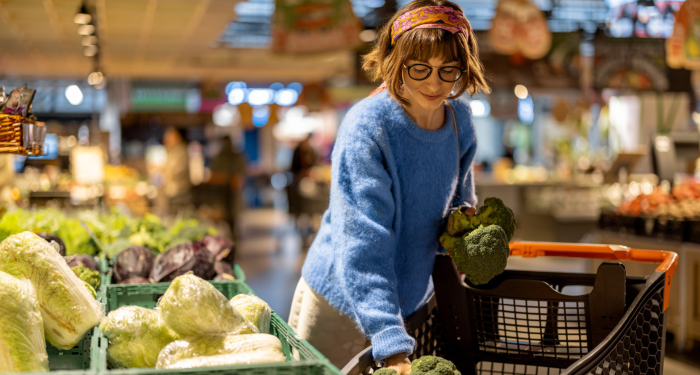
Plants are the budget MVPs. When you center your cart on beans, grains, and seasonal produce, the math starts working in your favor.
1. Build a $40 cart that actually feeds you
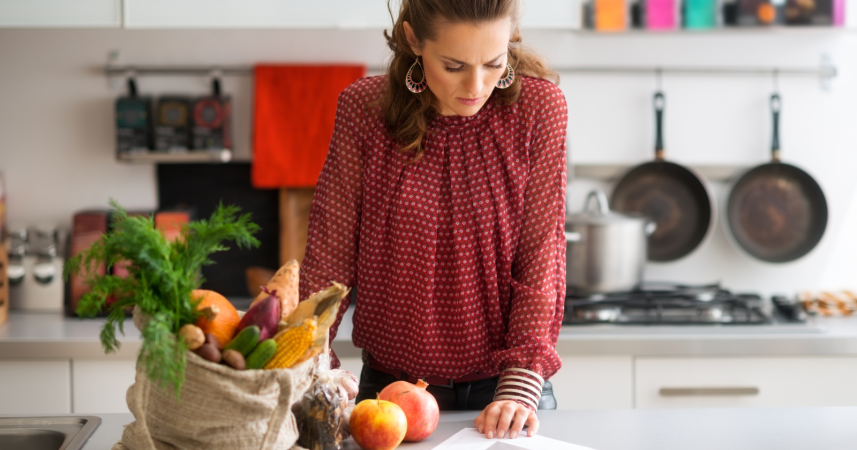
Here’s a sample cart that clocks in around $39.80 at typical discount-grocer prices in the U.S. (prices vary by region). It’s entirely plant-based, pantry-friendly, and flexible:
-
Rice, 2 lb — $2.00
-
Rolled oats, ~18 oz — $2.00
-
Pasta, 1 lb — $1.00
-
Dry lentils, 1 lb — $1.50
-
Dry black beans, 1 lb — $1.50
-
Peanut butter, 16 oz — $2.00
-
Sandwich bread, 1 loaf — $1.50
-
Corn tortillas, 10 ct — $1.50
-
Frozen mixed vegetables, 12–16 oz ×2 — $2.50
-
Frozen spinach, 10 oz — $1.00
-
Canned tomatoes, 28 oz — $1.50
-
Tomato paste, 6 oz — $0.70
-
Canned chickpeas ×2 — $1.60
-
Carrots, 2 lb — $1.50
-
Yellow onions, 3 lb — $2.00
-
Potatoes, 5 lb — $3.00
-
Cabbage, 1 medium head — $2.00
-
Bananas, ~3 lb — $1.50
-
Apples, 3 lb — $3.00
-
Vegetable oil, small bottle — $2.00
-
Soy sauce — $1.50
-
“Spice trio” (chili powder, cumin, garlic powder—dollar store sizes) — $3.00
Estimated total: $39.80 (pre-tax where applicable).
Why these picks? They cover protein (beans, lentils, peanut butter), complex carbs (rice, oats, pasta, potatoes, bread, tortillas), fats (peanut butter, oil), non-starchy veg (cabbage, spinach, mixed veg, onions, carrots), and fruit (bananas, apples).
Plus, everything plays well together so you can remix meals.
2. Batch-cook the “big three” on Day 1
I used to think budget cooking meant living in the kitchen. Not true. Put on a podcast and spend 90 minutes prepping these:
-
A pot of beans (black): Quick soak or pressure-cook until tender. Salt after soft.
-
A pot of lentils: Simmer in salted water with onion and a pinch of cumin.
-
A pot of rice: 6–8 cups cooked to anchor grains, bowls, and burritos.
Add a sheet pan of roasted potatoes and carrots (oil, salt, garlic powder) if you have oven space; they’ll rescue you on nights you’re tired.
3. Follow a simple 7-day meal cadence
I like rhythm more than rigid rules. Here’s a realistic, no-fuss plan:
Breakfasts (rotate)
-
Oats with sliced banana, a spoon of peanut butter, and a pinch of salt.
-
Peanut-butter toast with apple on the side.
-
Savory oats (trust me): oats simmered with tomato paste, frozen spinach, soy sauce, garlic powder; top with crunchy onions or roasted potatoes.
Lunches (mix & match)
-
Lentil-veggie soup: simmer lentils, canned tomatoes, frozen mixed veg, onion, chili + cumin; thin with water, finish with soy sauce.
-
Chickpea salad sandwiches: mash chickpeas with a splash of oil, soy sauce, garlic powder; add minced onion, shredded carrot, and a squeeze of banana “almost-mayo” (mashed banana + pinch salt + chili—shockingly good).
-
Cabbage fried rice: rice + shredded cabbage + onion + frozen veg; finish with soy sauce and chili.
Dinners (theme nights)
-
Mon — Black bean tacos: warm tortillas; fill with spiced black beans, cabbage slaw (cabbage + salt + splash oil), and roasted carrots.
-
Tue — Pasta with tomato-spinach sauce: sauté onion, garlic powder in oil; add tomato paste + canned tomatoes + spinach; season and toss with pasta.
-
Wed — Potato & chickpea curry skillet: potatoes + onion + chickpeas in oil; season with cumin, chili, garlic; add water to create a saucy glaze; serve with rice.
-
Thu — Lentil shepherd’s skillet: sauté onions + carrots; add lentils and a bit of tomato; top with crisped potatoes.
-
Fri — Fried rice bowls: leftover rice + mixed veg + soy; add peanut butter drizzle thinned with hot water and chili for a satay vibe.
-
Sat — Cabbage pancake (okonomiyaki-ish): shredded cabbage + flour + water + pinch salt; pan-fry; brush with soy + tomato paste; serve with roasted potatoes.
-
Sun — Big soup remix: throw the week’s leftovers into a pot with water and spices; simmer into a “house soup.”
Snacks and sides: apples, bananas, toast with PB, leftover roasted veg, or a mug of broth from your soup pot.
4. Flavor first (even on a budget)
Budget food doesn’t have to taste like budget food. A few low-cost tricks:
-
Layer salt and acid: If you have vinegar or lemon lying around, a dash at the end wakes up a whole pot.
-
Bloom your spices in oil for 30 seconds before adding liquid.
-
Use soy sauce as “umami salt.” It deepens soups, sautés, and rice dishes for pennies a spoon.
-
Make a fast condiment: 1 tbsp peanut butter + 1 tbsp hot water + splash soy + pinch chili powder = cheap satay sauce.
Beans and lentils are nutrient-dense, providing protein, fiber, iron, and potassium—great news for both your body and your wallet.
5. Anchor meals with “protein-plus-carb” pairs
When you’re watching costs, the fastest way to feel satisfied is to pair a protein with a slow-burning carb and some fat. Think:
-
Black beans + rice + oil sautéed onions
-
Lentils + potatoes + chili-garlic oil
-
Peanut butter + oats or bread + sliced fruit
These combos keep energy steady so you’re not scrounging for snacks at 10 p.m.
6. Shop the unit price like a hawk
Ever notice the tiny number on the shelf tag?
That’s the unit price, and it’s your best friend. It tells you cost per ounce or pound so you can quickly compare brands and sizes.
The USDA’s consumer education is crystal clear on this point: unit pricing helps you identify the true value, not just the sticker shock (USDA: Smart Shopping—Unit Price).
If two cans look identical but one is 30% more per ounce, the choice is easy.
7. Cut waste (that’s where money leaks)
The average U.S. household tosses a surprising amount of food. The USDA estimates that “an estimated 30 to 40 percent of the food supply is wasted.” (source).
Even a small reduction protects your $40 plan. Here’s how:
-
Store smart: onions and potatoes in a cool, dark spot (separately), bananas on the counter, bread in the freezer if you won’t finish it.
-
Prep “use-me-first” bins: one in the fridge, one on the counter for fruit.
-
Revive leftovers with water or broth and heat—soups and stews forgive almost anything.
8. Pre-season base batches so they don’t taste like “leftover”
I’m a big believer in pre-seasoning your base foods. Stir a teaspoon of oil + soy sauce + garlic powder into warm rice before chilling it.
Toss cooked beans with a little salt and chili while still hot. Seasoned bases are tastier cold and reheat beautifully.
9. Keep a two-minute “pantry audit” each night
Before bed, I scan: What’s on its last legs? Which pot needs topping up? Ten seconds with a pen turns into a smarter next day.
If the cabbage is calling time, shred it tomorrow. If the rice tub is running low, set a pot while coffee brews. Tiny habits are force multipliers.
10. Swap strategically if your store is out
If item X is sold out or oddly pricey, swap for the same role:
-
Chickpeas ↔ pinto/white beans
-
Spinach ↔ any frozen greens
-
Apples ↔ oranges/pears (whatever’s cheapest)
-
Tortillas ↔ extra loaf of bread
-
Rice ↔ more potatoes
The pattern matters more than the exact ingredient: protein + carb + veg + fat + flavor.
11. A realistic prep schedule (so you’ll actually do it)
Day 1 (90 minutes): cook rice, lentils, beans; roast potatoes/carrots; shred half the cabbage; chop 2 onions; make tomato-spinach sauce base.
Midweek (30 minutes): cook pasta; restock fried-rice base; roast any straggler potatoes/carrots.
Week’s end (20 minutes): “house soup” with leftovers, freeze a few portions for future you.
If you love trail running like I do, you’ll appreciate the “set it and forget it” approach. Let the pots simmer while you stretch, then pack everything into labeled containers so it’s grab-and-go.
12. What if you’re extra hungry or feeding two?
Two paths:
-
Scale volume foods (potatoes, rice, cabbage) and bump oil by a tablespoon.
-
Add one power item if you have $2–$4 more: another pound of beans or lentils, a second loaf of bread, or a bag of frozen edamame. Those additions stretch multiple meals.
13. Quick recipes you’ll come back to
Skillet Chili Lentils (15 minutes)
Sauté onion in oil; add chili + cumin; stir in lentils with a ladle of their cooking liquid and a spoon of tomato paste. Reduce to a glossy, spoon-coating situation. Scoop over potatoes or rice.
Tomato-Peanut Noodles (12 minutes)
Thin peanut butter with hot pasta water; whisk in soy and chili. Toss cooked pasta in tomato-spinach sauce, then ribbon the peanut sauce through. It sounds odd. It works.
Cabbage & Bean Tacos (10 minutes)
Warm tortillas. Sauté cabbage with soy and garlic powder until tender-crisp. Pile on spiced black beans. Add a squeeze of any acid you have.
Final thoughts
Feeding yourself well on $40 isn’t about perfection; it’s about patterns that compound. Center plants. Batch the basics. Season boldly. Guard your leftovers like treasure.
And keep it playful—constraints are creativity’s favorite playground.
If one week goes off the rails, no drama. Start another $40 cart, and try one new flavor trick.
Your future self (and your bank account) will thank you.
If You Were a Healing Herb, Which Would You Be?
Each herb holds a unique kind of magic — soothing, awakening, grounding, or clarifying.
This 9-question quiz reveals the healing plant that mirrors your energy right now and what it says about your natural rhythm.
✨ Instant results. Deeply insightful.