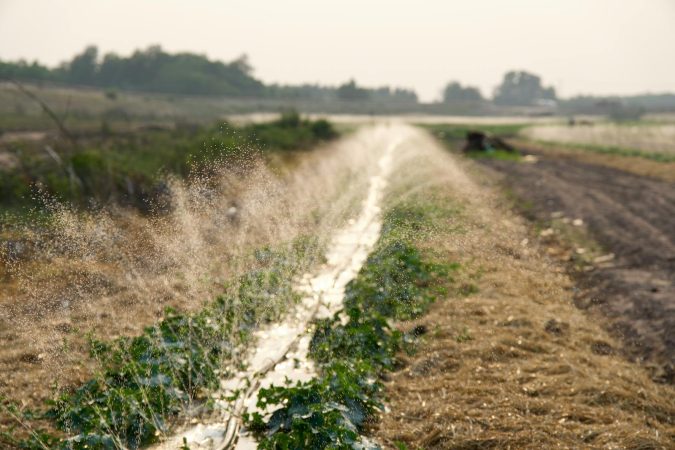
New Mexico's 700-plus acequias, community-managed irrigation ditches dating to the 16th century, face their thinnest water year on record as snowpack drops to 20 percent of normal and March temperatures shatter state records.
New Mexico's acequias, the community-run irrigation ditches that have threaded water through the state's fields for centuries, are entering the 2026 growing season on the thinnest margin in living memory. As reported by Inside Climate News, snowpack across the state sat at roughly 20 percent of normal as of April 20, colliding with what appeared to be one of the hottest March periods in New Mexico's recorded history.
The conventional framing of a drought year is that farmers tighten belts and wait for monsoon season. What's happening along the Rio Grande is different in kind, not just degree. The infrastructure itself, built for a snowmelt-fed world, is being asked to function in a climate that no longer reliably produces snow.
Inside Climate News reports that hundreds of active acequias operate in New Mexico today, most concentrated in the northern part of the state. Historical records indicate the system has grown substantially over the centuries. The canals are gravity-fed, earthen, and governed by a mayordomo, or ditch boss, alongside elected commissioners who settle disputes and schedule water turns. It's one of the oldest continuously functioning water-sharing systems in North America.
This year, that system is straining. The Middle Rio Grande Conservancy District, which covers a significant stretch of river and serves thousands of irrigators across tens of thousands of acres, warned in late March that supply may not meet demand. The Rio Grande began drying at its San Acacia reach on March 27, among the earliest dates recorded in recent decades.
Anne Marken, the district's river operations manager, noted that such early drying dates would have been considered unusual in past decades, with May historically being viewed as an early timeframe for this phenomenon. According to Marken, last year's April drying date was shocking, but this year's March date represents an even earlier occurrence.
Temperatures during the March 29 Primera Agua ceremony at the Atrisco Acequia Madre, one of the oldest ditches in the Albuquerque area, ran well above average. The city had already logged what appeared to be its earliest 90-degree day on record roughly a week prior, following an exceptionally warm winter.
Paul Tashjian, director of freshwater conservation for Audubon Southwest, described a pattern of consecutively worsening water conditions, with each year setting new record lows. Tashjian characterized this year's conditions as dramatically worse than previous years, painting a grim picture of the water situation.
Water managers have few levers left. New Mexico is currently barred from storing Rio Grande water at El Vado Reservoir because of its debt to Texas under the 1938 Rio Grande Compact, and Marken noted the hydrology likely wouldn't have produced enough to store anyway. The district is running what she called a run-of-the-river system: whatever flows downstream is what users get, rotated in shifts.
In the northern village of Truchas, parciantes, the water rights holders who maintain each ditch, told the Santa Fe New Mexican that ditches were already running low before the season had properly begun.
The longer-term picture is a structural mismatch. Climate models project that more of New Mexico's precipitation will arrive as rain rather than snow, eliminating the slow-release natural reservoir that acequias were designed around. Marken said adaptation will likely mean rebuilding systems for a rain-driven supply. Colin Baugh, mayordomo of the Pierce Lateral ditch, has suggested pump stations to draw groundwater into the canals, though recent groundwater projections indicate significant declines in availability by mid-century.
What's at stake extends past crop yields. Acequias are one of the clearest surviving examples of community-governed resource management in the United States, a centuries-old working model for how neighbors can ration a finite shared thing without privatizing it. If they fail, something beyond irrigation fails with them. Dawn Nieto Gouy, who grew up along the Duranes Lateral in Albuquerque, described the deep cultural and personal significance of the ditches to the community.
The question the 2026 season poses isn't whether acequias can survive a single dry year. It's whether the system can be retrofitted for a climate it was never built for, and who pays for that work. The parciantes singing agua es vida at the Atrisco headwaters already know the answer to the first half.