Beyond Meat's ongoing financial struggles signal a broader correction across the plant-based sector — but a correction isn't a collapse. Here's what the shakeout means for the future of food and the consumers navigating it.

Add VegOut to your Google News feed. 
Beyond Meat just posted another rough quarter, and at this point, the pattern is hard to ignore.
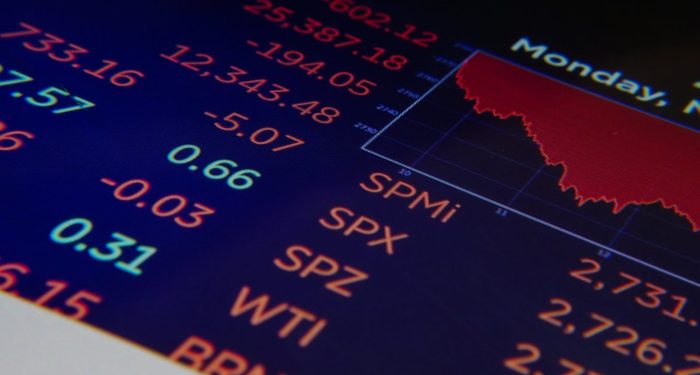
The company that once felt like the future of food — the one that made Wall Street believe in pea protein, that had its burger sizzling at nearly 80,000 retail and foodservice locations worldwide — is now deep in a fight for survival. Revenue continues to slide, cash reserves are thinning, and the stock price that once topped $230 per share now hovers in the low single digits.
But here's what makes this story worth paying attention to: Beyond Meat's struggles aren't happening in a vacuum. They're part of a much larger reckoning across the plant-based sector. And how this chapter plays out could reshape what the future of food actually looks like.
The Numbers Tell a Sobering Story
Beyond Meat's Q1 2025 earnings, released in early May, showed net revenues of $68.7 million, continuing a downward trend from the company's peak of $464 million in annual revenue back in 2021. The company has now reported losses for more than a dozen consecutive quarters.
CEO Ethan Brown, who has been admirably transparent about the challenges, described the current landscape as "the most difficult operating environment we've faced" during the earnings call. The company has been cutting costs aggressively — reducing headcount, renegotiating supplier contracts, and scaling back its international ambitions to focus on core North American markets.
According to data from The Good Food Institute's 2024 State of the Industry report, total U.S. retail sales of plant-based foods hit $8.1 billion in 2023, holding relatively steady but showing minimal growth after years of double-digit expansion. The plant-based meat category specifically saw sales decline by roughly 12% compared to its 2021 high.
As we recently covered at VegOut, plant-based grocery spending patterns are shifting dramatically. Consumers are still buying plant-based products, but they're moving away from the heavily processed meat analogues that companies like Beyond built their empires on, gravitating instead toward simpler options like oat milk, whole-food snacks, and minimally processed alternatives.
What Went Wrong — and What Was Always Going to Be Hard
It's tempting to write Beyond Meat's story as a simple cautionary tale about overhype. Venture capital poured in, the IPO was a moonshot, and the inevitable correction arrived. That narrative has some truth to it, but it misses the complexity of what actually happened.
Several forces converged at once. Inflation hit hard starting in 2022, and plant-based meats — already priced at a premium — suddenly felt like a luxury purchase for budget-conscious shoppers. A Beyond Burger patty still costs roughly $2 more per pound than conventional ground beef at most retailers, a gap that widens during periods of economic anxiety.
Then there's the taste and repeat-purchase problem. Early trial rates for plant-based meats were sky-high. People were curious. But converting trial into habit proved much harder than anyone anticipated. A New York Times analysis noted that repeat purchase rates for plant-based meat products sat well below 30%, suggesting many consumers tried them once and quietly moved on.
There's also the ingredient perception issue. Products like the Beyond Burger contain methylcellulose, pea protein isolate, and a list of other ingredients that, while perfectly safe, started getting scrutinized by the "clean eating" crowd. The same health-conscious consumer who might be open to eating less meat also tends to be wary of ultra-processed foods. Beyond Meat got caught in that tension.
Our recent piece on foods that vegans pretend to enjoy touched a nerve for a reason. There's a growing honesty in the plant-based community about which products genuinely deliver and which ones people have been politely tolerating. That candor is healthy, even if it stings for the brands on the receiving end.
The Fast Food Factor
Beyond Meat bet big on foodservice partnerships, and for a while, the strategy looked genius. McDonald's McPlant, KFC's Beyond Fried Chicken, partnerships with Taco Bell, Pizza Hut, and Subway — the logos kept stacking up. It felt like plant-based meat was about to become as ubiquitous as the dollar menu.
Except most of those partnerships fizzled. McDonald's quietly pulled the McPlant from U.S. test markets. KFC's Beyond Fried Chicken came and went. Subway's Beyond Meatball Marinara didn't stick around long enough for most people to try it.
The issue was partly about demand and partly about operational complexity. Fast food operators are margin machines, optimized to the fraction of a cent. Adding a plant-based SKU that requires separate prep space, different cooking equipment, and generates modest sales volume creates friction at scale. When sales didn't justify the hassle, the products quietly disappeared from menus.
That said, some chains are still making plant-based work. As we outlined in our guide to the best vegan fast food options in 2025, there are still meaningful choices out there. The offerings have just shifted from flashy limited-time launches to quieter, more sustainable menu additions.
A Sector-Wide Correction, Not a Collapse
Here's where it's important to zoom out.
Beyond Meat's struggles are often cited as evidence that plant-based eating was a fad. That reading is wrong. What we're seeing is a correction — the kind that happens when an industry matures past its initial hype cycle and starts figuring out who it actually serves and how.
The dot-com bust didn't mean the internet was a fad. It meant a lot of companies had unsustainable business models, and the ones that survived and adapted went on to reshape the world. The plant-based sector is in a similar phase.
Oatly, once another Wall Street darling, has faced its own financial reckoning while still growing its core oat milk business. Impossible Foods laid off roughly 20% of its workforce in 2023 but has been gaining retail market share since. Smaller brands like Meati, which uses mycelium-based whole cuts instead of processed patties, have attracted significant investment by positioning themselves as the next wave.
Meanwhile, the broader plant-based milk category continues to grow. Bloomberg reported that plant-based milks now account for roughly 15% of total milk sales in the U.S. — a number that keeps climbing while plant-based meat sputters. The lesson: products that genuinely taste good, price competitively, and fit naturally into existing habits tend to win. Products that require consumers to make a philosophical commitment with every purchase tend to plateau.
What Comes Next for Beyond Meat
Beyond Meat has a few paths forward, and none of them are easy.
The company has been investing heavily in its Beyond IV platform — its latest reformulation effort aimed at improving taste, nutrition, and ingredient simplicity. If the products genuinely taste better and the ingredient list gets shorter, there's a real opportunity to win back lapsed customers. The company is also exploring price reductions to close the gap with conventional meat, though that's tough when you're already losing money on every unit sold.
International markets remain a wildcard. Europe, where flexitarian eating is more culturally embedded, continues to show stronger demand for plant-based proteins than the U.S. Beyond Meat has partnerships with McDonald's in several European markets where the McPlant has actually performed well — a stark contrast to its U.S. experience.
There's also the question of whether Beyond Meat gets acquired. At its current market cap of roughly $600 million (down from a peak above $14 billion), the company could become an attractive target for a larger food conglomerate looking to own plant-based IP without building it from scratch. Analysts at Jefferies have flagged this as a plausible scenario.
Brown has repeatedly stated his commitment to keeping Beyond Meat independent, but as cash runways shorten, options narrow.
The Bigger Picture for Conscious Consumers
What does all of this mean if you're someone who's just trying to eat a little more thoughtfully?
Honestly, the correction era might end up being great for consumers. The hype phase produced a lot of mediocre products that were marketed brilliantly. The correction phase is forcing companies to actually make better food. Taste is getting prioritized over novelty. Pricing is getting more competitive. Ingredient lists are getting shorter.
The identity politics of food — something we've explored in a different context — also plays into this. For a while, buying a Beyond Burger felt like a statement. Now it's just... a grocery decision. And that's arguably progress. When plant-based products stop being a lifestyle declaration and start being just another good option in the cooler, that's when real market penetration happens.
The plant-based sector needed this reality check. The companies that emerge from it will be leaner, more product-focused, and better at meeting consumers where they actually are. Beyond Meat might be one of those companies. Or it might become a cautionary footnote in someone else's success story.
Either way, the future of food isn't going back to 2019. The genie is out of the bottle on plant-based eating. The question was never if these products would exist. It's which ones would be worth reaching for a second time.
Feature image by Katerina Holmes on Pexels
What’s Your Plant-Powered Archetype?
Ever wonder what your everyday habits say about your deeper purpose—and how they ripple out to impact the planet?
This 90-second quiz reveals the plant-powered role you’re here to play, and the tiny shift that makes it even more powerful.
12 fun questions. Instant results. Surprisingly accurate.