The Voice of Freedom contest shows that even behind bars, art can be a bridge to healing and hope.

Add VegOut to your Google News feed. 
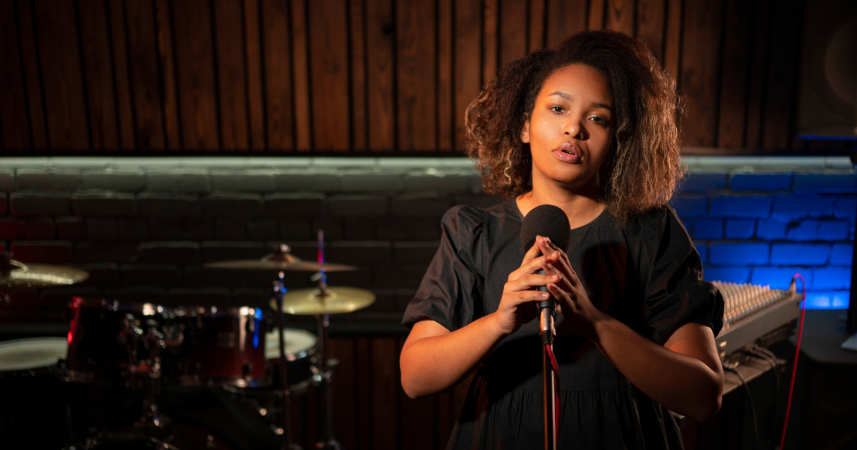
Fifteen women took center stage at the Djanira Dolores de Oliveira women's penitentiary in Rio de Janeiro, Brazil on January 23, competing in the Voice of Freedom rehabilitation program's annual singing contest.
The event, now in its third year, offered participants a chance to showcase their talents before an audience of prison officials, volunteers, and fellow inmates, transforming a multipurpose hall into a venue where hope and rehabilitation took center stage.
Backstage, competitors prepared for their performances in a room equipped with mirrors and a dressing screen. They warmed up their voices, shook out nervous energy, and donned gowns for what many described as a transformative experience.
The purple-themed stage became a symbol of possibility, where women serving sentences could momentarily transcend their circumstances through artistic expression.
Personal transformation through artistic expression
For Rilary Cristina Leite, 31, the competition represented far more than an opportunity to perform. The former church, bar, and party singer has spent six years behind bars and will be released in less than a year. She views the program as an essential component of her rehabilitation journey.
"It's magical because we're doing what we want. It means liberation for us. We're in prison and art liberates us," Leite told reporters, adding that her dream is to perform at the legendary Rock in Rio festival.
The contestants performed a diverse repertoire, with many choosing gospel songs while others interpreted MPB (Música Popular Brasileira), including "Black Sheep" by the beloved late singer Rita Lee.
A panel of judges, including actor and TV presenter David Brazil and singer Maurício Mattar, evaluated each performance based on voice quality, presentation, performance skills, and charm. The audience participation added another dimension to the event, with spectators clapping along and singing in support of the performers.
Maria Rosa Lo Duca Nebel, Rio's state secretary for penitentiary administration, emphasized that the competition reflects a broader philosophy of rehabilitation. The prison system's objective extends beyond punishment to include rehabilitation through work, studies, reading, and cultural programs.
This year's theme of "hope and emancipation" reinforced the program's goal of helping women build confidence and develop skills that will serve them upon release.
Research validates arts-based rehabilitation
The Rio program aligns with a substantial body of research demonstrating the rehabilitative power of arts education in correctional settings. Studies consistently show that arts programs in prisons lead to significant decreases in recidivism rates and improvements in mental health outcomes.
Organizations like Rehabilitation Through the Arts, which operates in New York State prisons, report recidivism rates below 3% among participants, compared to the national rate exceeding 60%.
Research published in 2020 found that incarcerated individuals participating in arts programs showed statistically significant improvements in self-confidence, self-esteem, emotional stability, and overall well-being, while experiencing decreased hopelessness and anger. The California Arts-in-Corrections program, before its closure due to budget cuts, reported that 74.2% of participants achieved favorable outcomes one year after release, compared to 42% for all parolees.
The cognitive benefits extend beyond emotional well-being. Arts education develops intellectual flexibility, creative problem-solving skills, and the ability to see situations from multiple perspectives. These enhanced competencies translate into practical life skills that support successful reintegration into society.
Multiple studies have documented how arts programs help incarcerated individuals build resumes, develop professional networks, and acquire vocational skills that improve employment prospects after release.
Building pathways beyond incarceration
Programs like Voice of Freedom recognize that rehabilitation requires addressing the whole person rather than focusing solely on punishment.
By providing opportunities for creative expression and skill development, these initiatives help participants discover hidden talents and build confidence that carries forward into their lives after incarceration. The arts offer a non-judgmental environment where there are no prerequisites and no single correct answer, making them accessible to all participants regardless of educational background.
The broader implications of such programs extend to community safety and economic considerations. Effective rehabilitation programs reduce recidivism and save taxpayers millions of dollars annually by decreasing the number of individuals who return to prison. The social benefits include reduced victimization and stronger communities as formerly incarcerated individuals become productive members of society.
For the women competing in Rio's Voice of Freedom program, the stage represents more than a few minutes in the spotlight. It symbolizes possibility, dignity, and the recognition that their humanity and potential extend beyond their past mistakes.
As they perform before supportive audiences, they practice skills that will serve them well upon release: confidence, self-expression, discipline, and the ability to work toward goals. The program demonstrates that when given opportunities for growth and self-discovery, incarcerated individuals can transform their lives and contribute positively to society.
The contest's success in Rio de Janeiro offers a model that other correctional systems might consider as they work to balance punishment with genuine rehabilitation. By investing in programs that develop human potential rather than warehousing individuals, prison systems can better serve both those in custody and the communities to which they will eventually return.
If You Were a Healing Herb, Which Would You Be?
Each herb holds a unique kind of magic — soothing, awakening, grounding, or clarifying.
This 9-question quiz reveals the healing plant that mirrors your energy right now and what it says about your natural rhythm.
✨ Instant results. Deeply insightful.

Avery White
Formerly a financial analyst, Avery translates complex research into clear, informative narratives. Her evidence-based approach provides readers with reliable insights, presented with clarity and warmth. Outside of work, Avery enjoys trail running, gardening, and volunteering at local farmers’ markets.
More Articles by Avery