Your body starts producing about one percent less collagen each year after age 20. By the time fine lines and dullness appear, you've already lost years of collagen production. The damage isn't new. It's been accumulating quietly in the background.
I remember the first time I heard the word "prejuvenation." I was scrolling through a skincare forum, half paying attention, when I stopped dead in my tracks. Prevention before rejuvenation? It sounded almost too simple. And yet, the more I thought about it, the more it made sense.
For decades, the beauty industry has sold us a reactive approach to aging. Wait for the wrinkles to show up, then fight them. Wait for the sagging to begin, then lift it. The entire framework has been built around correction. Fix what's broken. Reverse what's already happened.
But here's what I've come to realize after years of watching people chase youthful skin: playing catch-up is exhausting. And honestly? It's not that effective.
Prejuvenation flips the whole conversation on its head. It's about protecting what you already have before you start losing it. And for a generation that grew up watching their parents scramble for solutions in their fifties, this shift feels less like a trend and more like common sense finally catching up.
Why prevention makes biological sense
Let's talk about collagen for a moment because it's central to understanding why prejuvenation works.
Collagen is the scaffolding of your skin. It's what keeps everything firm, bouncy, and smooth. And here's the thing most people don't realize: your body starts producing less of it far earlier than you'd expect. Research published in Scientific American notes that after age 20, a person produces about one percent less collagen each year. By your mid-twenties, that decline is already underway.
Think about that for a second. Most people don't start thinking seriously about skincare until they notice something wrong. A fine line here, a bit of dullness there. But by the time those signs appear, you've already lost years of collagen production. The damage isn't new. It's been accumulating quietly in the background.
This is precisely why prejuvenation has gained so much traction. If collagen production peaks in your early twenties and declines steadily from there, it makes far more sense to protect and maintain what you have than to try rebuilding it later.
A generational mindset shift
I find it fascinating how different generations approach aging. My mother's generation saw wrinkles as inevitable. You lived your life, the lines showed up, and that was that. Maybe you invested in a good moisturizer, maybe you didn't. The prevailing attitude was acceptance mixed with resignation.
Gen Z sees things differently. They've grown up with unprecedented access to information about how skin actually works. They understand UV damage, free radicals, and oxidative stress in ways that would have seemed absurdly technical to previous generations. And they're acting on that knowledge early.
According to research published in the Aesthetic Surgery Journal Open Forum, prejuvenation emerged in the early 2000s as younger people began seeking preventive treatments for aging. The study highlights how this generation relies on social media for skincare advice, leading to widespread sharing of information about aesthetic dermatology. The result? Prevention has become a trending topic across every platform.
What strikes me most is how this shift reframes the relationship with aging itself. It's less about fighting time and more about working with your biology. You can't stop the clock, but you can give your skin the best possible foundation to age well.
What prejuvenation actually looks like
Here's where things get practical.
Prejuvenation isn't about aggressive interventions in your twenties. It's not about loading up on procedures before you need them. The approach is subtler than that, and honestly, it's simpler than the beauty industry sometimes makes it seem.
At its core, prejuvenation involves consistent sun protection. This might sound obvious, but it's worth emphasizing. UV exposure breaks down collagen in the dermis and causes the buildup of abnormal elastic fibers that eventually form wrinkles. Daily sunscreen isn't glamorous, but it's probably the single most effective prejuvenation tool available.
Beyond that, the focus shifts to supporting your skin's natural functions. Antioxidants to neutralize free radicals. Retinoids to encourage cell turnover and collagen production. Hydration to maintain the skin's barrier function. These aren't revolutionary concepts, but the timing matters. Starting in your twenties means you're building a foundation that will serve you for decades.
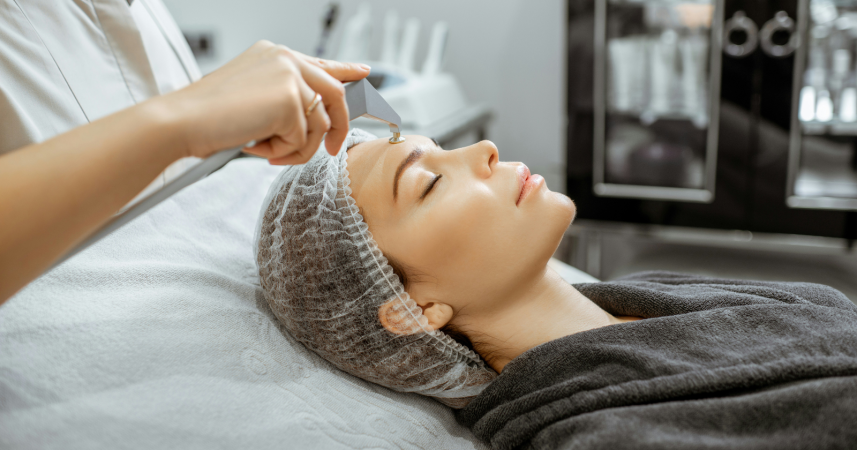
Some people take prejuvenation further with noninvasive procedures like microneedling, chemical peels, or even preventive botox. The research from the Aesthetic Surgery Journal Open Forum mentions that these methods are trending among younger individuals seeking to maintain their appearance. The goal isn't to look different. It's to look like yourself, just with better maintained skin.
The psychology behind the trend
I've spent a lot of time thinking about why prejuvenation resonates so deeply with younger generations. And I think it comes down to control.
We live in an era of unprecedented uncertainty. Climate change, economic instability, rapidly shifting social landscapes. Against that backdrop, investing in something tangible feels grounding. Your skin is something you can actually care for. The results of that care are visible. There's a cause and effect relationship that feels reliable when so much else doesn't.
There's also something to be said about the wellness angle. Prejuvenation aligns with a broader movement toward proactive health management. It's the same impulse that drives people to exercise, eat well, and prioritize sleep. Taking care of your skin isn't vanity in this framework. It's part of a holistic approach to wellbeing.
What I appreciate about this mindset is that it moves away from the panic that often surrounds aging. The traditional approach was almost fear-based. Look at these wrinkles! Look at this sagging! You need to fix this immediately! Prejuvenation is calmer. It says: aging is natural, and here's how you can support your body through the process with grace.
The important caveats
Now, I'd be doing you a disservice if I didn't mention some concerns.
The research is clear that while prejuvenation can slow down the aging process, it cannot stop it entirely. Managing expectations matters here. No amount of preventive care will give you the skin of a twenty-year-old when you're fifty. What it can do is help you look like the best possible version of yourself at any age.
There's also a darker side to this trend worth acknowledging. Social media, for all its educational value, has also created unrealistic standards and pressures. Some dermatologists have expressed concern about children as young as ten using prescription-strength skincare products they saw recommended by influencers. Prejuvenation for adults is one thing. Pushing anti-aging narratives onto children is something else entirely.
The sweet spot, as I see it, is informed, age-appropriate care. For most people, their twenties are a good time to establish solid skincare habits. Sun protection, gentle cleansing, basic hydration. As you move into your late twenties and early thirties, incorporating targeted treatments makes sense. The key is personalization based on your actual skin, not anxiety driven by filtered photos on social media.
A new relationship with time
What I find most compelling about prejuvenation isn't the specific products or procedures. It's the underlying philosophy.
For so long, aging has been treated as an enemy to defeat. The language of "anti-aging" is inherently combative. You're supposed to fight wrinkles, battle time, wage war against gravity. It's exhausting just thinking about it.
Prejuvenation suggests a different relationship. Time passes. Your body changes. That's not a tragedy. It's simply how life works. But you can approach those changes thoughtfully. You can make choices today that your future self will thank you for.
I think about my garden sometimes when I consider this. I can't control the weather or stop the seasons from changing. But I can prepare the soil, plant at the right time, and provide consistent care throughout the growing season. The results aren't guaranteed, but they're far better than neglecting everything and hoping for the best.
Skin works the same way. You're not fighting against nature. You're working with it.
Final thoughts
Looking back at my own skincare journey, I wish I'd understood these principles earlier. Like many people, I didn't think much about prevention until I started noticing changes I wanted to reverse. That's not a failure. It's just the reality of how most of us learn.
But if you're reading this in your twenties, consider yourself lucky. You have information that previous generations simply didn't have access to. The science of skin aging is clearer than ever, and the tools for prevention are more sophisticated and accessible than they've ever been.
Prejuvenation isn't about obsessing over aging. It's about respecting your future self enough to take simple, consistent actions now. It's about recognizing that the choices you make today compound over time.
And honestly? There's something empowering about that. You're not helpless against the passage of time. You're an active participant in how you age. That feels like a healthier, more honest way to approach the whole thing.
Start where you are. Use what you have. Do what you can. Your skin will thank you for it, eventually.