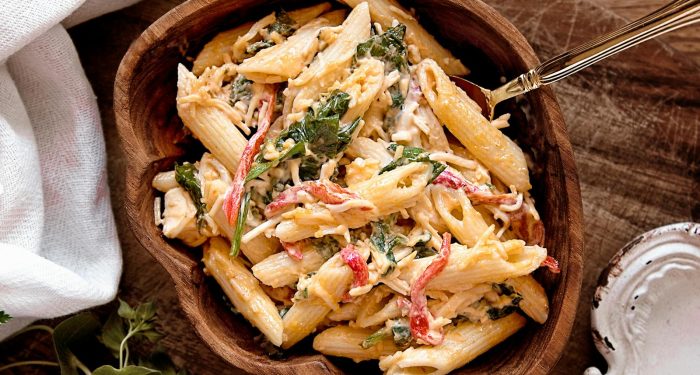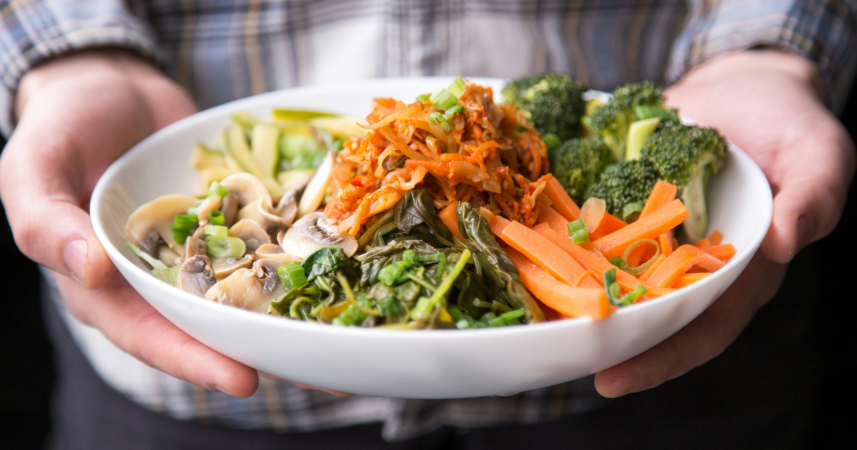
Some plant-based plates are beans, greens, and grains. Others are beige and boxed. Your brain knows the difference.
I’m not vegan, but half my girlfriends are. Between dinner parties in Itaim Bibi and lazy Sundays when we trade recipes, I’ve tasted my way through tofu scrambles, jackfruit tacos, and every oat-milk latte in São Paulo.
Those meals are joyful, colorful, and honestly delicious.
But when a new paper crossed my feed suggesting that vegan or plant-based eating may support better brain outcomes when the diet is high quality, it clicked with what I’ve seen in real life: not all “plant-based” plates are equal.
Some are bowls of beans, greens, and grains. Others are beige and come from boxes.
That difference matters for your brain.
Here’s what’s new, what “diet quality” actually means, and how to do plant-based eating in a way that supports your mind long term.
What the latest research actually found
A new systematic review and meta-analysis in Nutrition Reviews pooled 23 studies with more than 700,000 adults and looked at how overall plant-based patterns relate to anxiety, depression, cognitive decline, and dementia.
The headline takeaway is simple: higher-quality plant-based diets were linked with better odds for several mental and cognitive outcomes, while lower-quality plant-based diets pointed the other way.
As the authors write, “High-quality plant-based diets could play an important role in the primary prevention of mental and neurocognitive health conditions.”
This isn’t a one-off. Another fresh meta-analysis in Advances in Nutrition zeroed in on cognitive outcomes and found that patterns emphasizing healthful plant foods, while limiting less-healthful plant foods and animal products, were associated with a modestly lower risk of cognitive impairment and dementia.
If you want the root data behind these summaries, one of the most informative cohort studies used the UK Biobank, following over 180,000 people.
Researchers separated plant-based eating into “healthy” and “unhealthy” versions and reported that a healthy plant-based pattern was prospectively associated with lower incidence of dementia and depression. In their words, it was the first large report to link a healthy plant-based diet index to reduced risk of both conditions.
What “diet quality” means in this context
When scientists talk about plant-based diet quality, they’re not giving gold stars to all plants. They’re using indices that score your plate by categories. The big three are:
- Overall PDI: counts more plant foods as positive, fewer animal foods as positive, without looking at whether those plants are whole or ultra-processed.
- hPDI: the “healthy plant-based diet index,” which rewards whole grains, fruits, vegetables, nuts, legumes, coffee and tea, while scoring refined grains, sweets, sugary drinks, and fried potatoes as negative.
- uPDI: the “unhealthy plant-based diet index,” which does the opposite and highlights patterns heavy in refined, sugary, and ultra-processed plant foods.
That split is the crux. In multiple analyses, the healthy index behaves very differently from the unhealthy one. The Nutrition Reviews meta-analysis reports that the healthiest plant-forward patterns were linked to lower risk of cognitive decline and dementia, while greater adherence to unhealthy plant-based diets was associated with higher odds of anxiety and depression.
A separate scoping review put it plainly: when the healthy index and the unhealthy index point in different directions, the healthy one tends to align with better outcomes. Translation for everyday life: lentil soup beats vegan donuts for your brain.
Why plants may support your brain
Let’s connect the dots without getting lost in jargon. High-quality plant foods carry fiber, polyphenols, and micronutrients that support the gut–brain axis and reduce chronic inflammation.
Think of the gut as part of your nervous system’s backstage crew. Feed it the right mix, and the show runs smoothly. Consistently, reviews link Mediterranean-style and MIND-style patterns to slower cognitive decline, and those patterns are built on whole plant foods with strategic add-ons like olive oil and, in non-vegan versions, fish.
The picture that emerges is that a well-built vegan or vegetarian pattern can hit many of the same notes, so long as you aren’t leaning on ultra-processed plant products.
There’s another piece we sometimes skip: nutrient coverage. When friends tell me their energy dipped after going vegan, 9 times out of 10 their day looked like toast, coffee, and a plant-based burger.
Not terrible, just incomplete.
The brain is picky in a good way. It needs steady iron, zinc, iodine, omega-3s, choline, and vitamin B12, among others. Those are all doable on a well-planned vegan diet, but they don’t land in your bowl by accident.
What this looks like in real life
I cook most of our meals at home. On busy weekdays, that means one-pot dishes and a lot of repetition. The simplest plant-forward rotation that keeps my brain happy looks like this:
A base of beans or lentils, a grain like brown rice or quinoa, and a heap of vegetables. I add a topping that boosts flavor and nutrients, like tahini-lemon sauce or olive oil with herbs.
If I’m going fully vegan that day, I make sure there’s a fortified plant milk in our fridge and a reliable B12 source in my routine.
On weeks when I’m experimenting with tofu or tempeh, I season them well and treat them like I would any protein: sear, braise, or bake so they’re satisfying.
Here’s the honest part. In São Paulo, vegan convenience foods are everywhere now. It’s easy to grab a plant-based cheese, vegan nuggets, or boxed desserts and call it dinner. I do this sometimes, and it’s fine. The key is proportion.
The research is pointing us toward whole or minimally processed plants as the cornerstone, not as an afterthought under a mountain of beige.
The tempting traps of “plant-based”
Labels are persuasive. “Vegan” can trick us into thinking “healthy” without reading the back. In one of the large population studies on dementia, the pattern that leaned on refined grains and sugary drinks didn’t protect the brain.
That’s not because those foods are plant-derived; it’s because they’re nutritionally thin. As noted by the UK Biobank researchers, this was “the first report that following a healthy plant-based diet index was associated with a lower incidence of dementia or depression,” which implies the flip side is not protective.
Another trap is going too narrow. If your plant-based diet is only beige carbs and fruit, your protein and key micronutrients can lag. Diet diversity is a quiet hero here. Reviews of older adults show that a more diverse plate correlates with better cognitive function over time.
That doesn’t require fancy superfoods, just rotating legumes, grains, nuts, seeds, and vegetables across the week.
Practical ways to build a brain-supportive vegan plate
From our kitchen to yours, these are the choices that make a difference and fit real life:
Stock a short list of go-to proteins. Lentils, chickpeas, black beans, tofu, tempeh, and edamame make it easy to hit your targets. When I batch-cook, I freeze some in flat bags so they thaw fast.
Fortify the basics. Choose plant milks with calcium, vitamin D, and B12. Keep a B12 supplement if your clinician advises it, and remember iodine, iron, and omega-3s from seaweed snacks, iodized salt, legumes, and ALA-rich seeds like flax and chia. If you’re considering an algae-based DHA/EPA supplement, talk with your healthcare provider.
Eat colors, not just plants. Aim for deep greens, reds, purples, and earthy browns from vegetables, fruits, whole grains, mushrooms, herbs, and spices. Your gut microbiome loves variety, and your brain likes what your gut likes.
Use flavor like a pro. Extra-virgin olive oil, citrus, garlic, miso, toasted nuts, and fresh herbs turn simple bowls into meals you look forward to. When food is satisfying, you’re less tempted to fill the gap with ultra-processed snacks.
Make convenience work for you. Bagged salad mixes, frozen vegetables, precooked grains, canned beans, and vacuum-packed beets get dinner on the table in minutes. The shorter the path between you and a balanced plate, the more often you’ll eat one.
What to make of mixed findings
Science is careful, as it should be. Not every study finds a strong link between plant-based eating and dementia risk, and some population cohorts show null results when you lump all plant-based patterns together.
That inconsistency is exactly why the new meta-analyses matter. When researchers separate healthy and unhealthy versions of plant-based diets, the picture sharpens. The Advances in Nutrition review sums it up: healthful plant-based patterns are associated with a modestly lower risk, but better studies are needed to strengthen confidence.
The takeaway for the rest of us is straightforward. You don’t need perfect data to make better dinner decisions tonight. Build your plate around whole plants most of the time, fill your nutrient bases, and keep the packaged plant-based treats in the supporting role.
A note on season of life
I’m in a full season. My husband and I both work, our daughter is one, and we guard our evenings for family time.
I don’t have hours to soak cashews or test ten-step recipes. What I do have are small habits and a short list of defaults.
A pot of lentils on Monday. A tray of roasted vegetables that stretches to lunchboxes. A jar of tahini dressing I blitz together while Emilia chews on cucumber sticks.
Plant-based or not, this rhythm keeps my brain steady. It’s honest, doable, and easy to sustain.
Bottom line
If you’re going vegan or simply eating more plants, quality is your north star. The newest review in Nutrition Reviews links higher-quality plant-based diets with better odds for mental and cognitive health, and other analyses back that direction while calling for stronger trials.
The details matter.
A vegan label doesn’t guarantee a brain-supportive meal. A varied plate built on whole plant foods, with your key nutrients covered, gets you much closer.
And yes, enjoy the vegan burger. Just keep the beans, greens, whole grains, nuts, and seeds doing the heavy lifting for your mind.